15–30 Million Year Old Rainforest Fossils Discovered Beneath Falkland Islands
Fossilized rainforest trees discovered beneath the Falkland Islands reveal a temperate forest that thrived 15–30 million years ago.
Ancient Rainforest Remains Found Beneath Falkland Islands
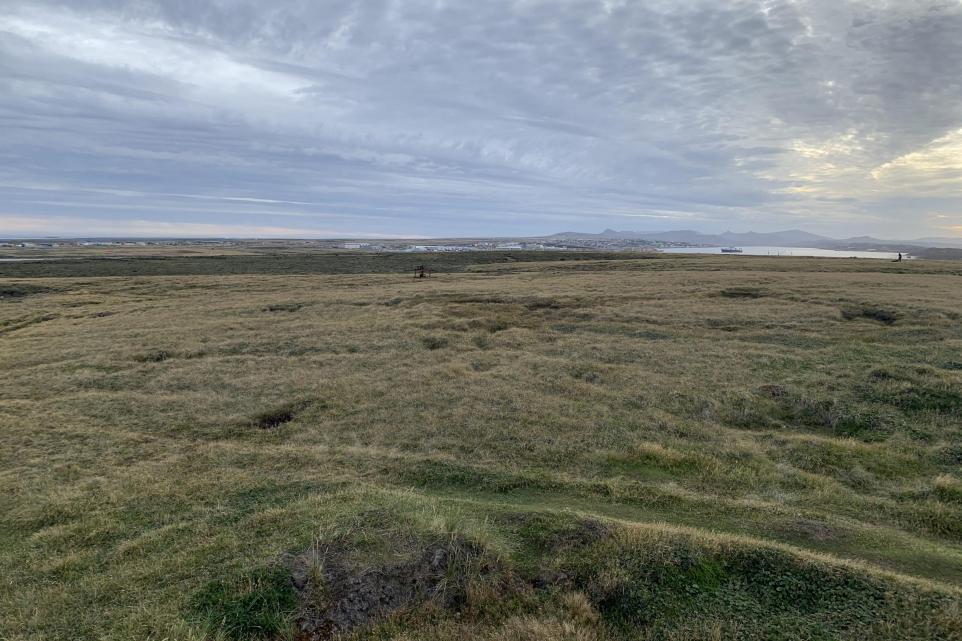
During construction work on the Falkland Islands, workers unearthed tree trunks that immediately captured scientific attention. The wood, preserved like driftwood, was in pristine condition—remarkable because no trees have grown on these windswept islands for tens of thousands of years. Further analysis revealed that the trunks belonged to a temperate rainforest that once covered the region, a stark contrast to today’s shrubland and low vegetation.
How Scientists Dated the 30‑Million‑Year‑Old Wood
The tree remains were too old for radiocarbon dating, so researchers turned to microscopic pollen and spores trapped in surrounding peat. Fossilized pollen from specific geological periods allowed the team to pinpoint the age of the site. The wood and peat samples were sent to Australia’s University of New South Wales for electron microscopy analysis. The results confirmed the trunks and branches date back between 15 million and 30 million years. Comparisons with similarly aged floras from southern Patagonia and Antarctica supported these findings.
Species Reveal a Cool, Wet Climate
The study identified that the ancient forest contained species related to modern Patagonian flora, including ancestors of beech and conifer trees. This indicates that the Falkland Islands once experienced a wetter, warmer climate—though still cooler than tropical rainforests like the Amazon. The fossil assemblage paints a picture of a cool, wet forest rich in biodiversity, very different from the islands’ current environment.
Implications for Climate Change Research
The Falkland Islands lie in the path of prevailing westerly winds that influence Antarctic ice, atmospheric circulation, and precipitation patterns across the Southern Hemisphere. Understanding how these winds changed during past warm periods helps scientists predict future climate shifts. The ancient forest offers a rare window into those past conditions, providing crucial data for climate models.
Future of the Falklands: Drier, Warmer, and Peatland Concerns
Despite the discovery of a former rainforest, current climate projections suggest the Falkland Islands will grow warmer but also drier. This raises concerns about the erosion of peatlands, which are highly sensitive to climate change. The find underscores how dramatically environments can transform over geological time and highlights the need to protect sensitive ecosystems in a warming world.