Modern Mold Remediation: AI, Eco-Methods, ERMI, and Market Projections
Cutting-edge mold remediation: AI, drones, robotics, probiotics, and eco-friendly methods. Market growth and key players.
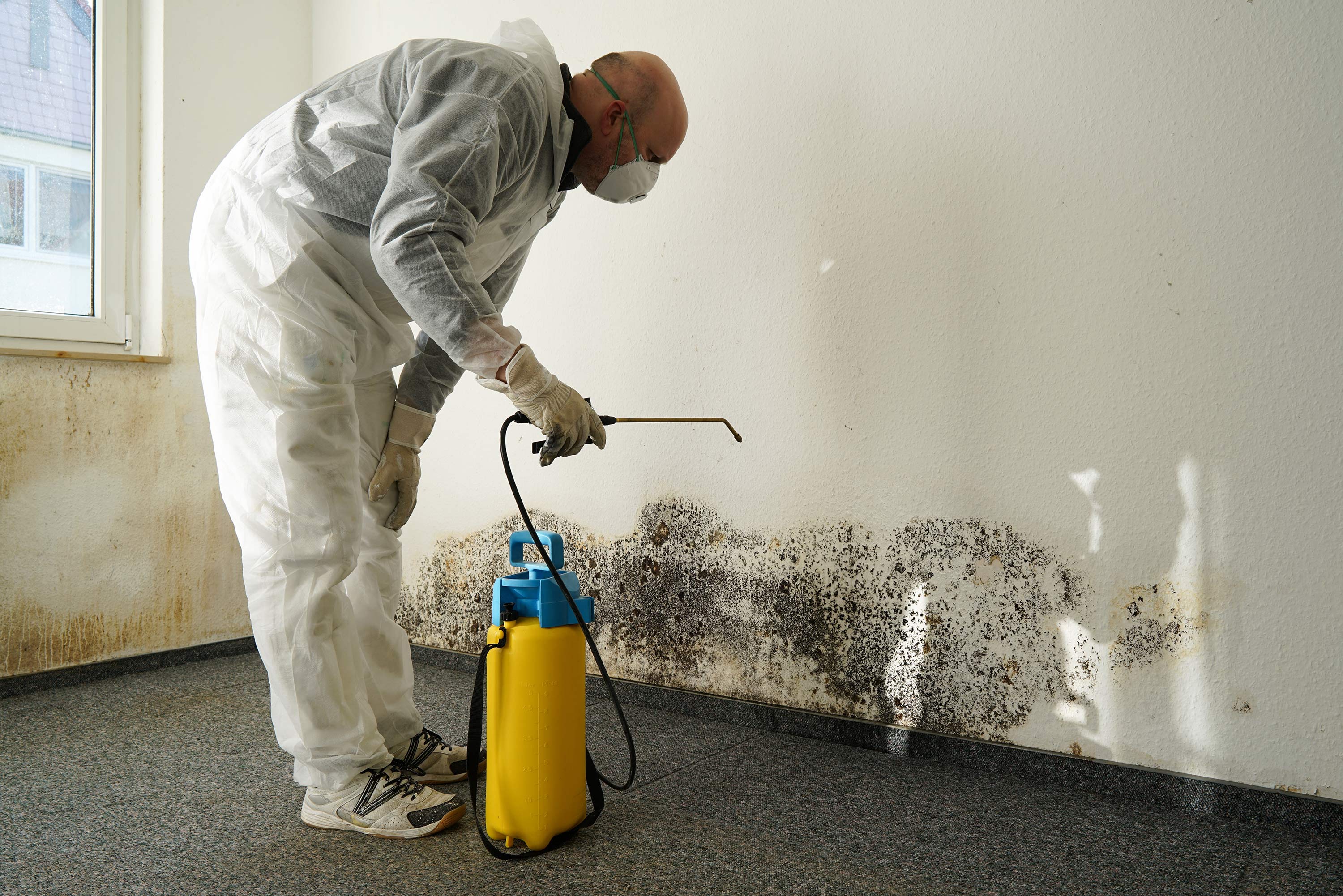
The Evolving Landscape of Mold Remediation
The mold remediation industry is undergoing a transformation, fueled by increased awareness of health risks, changing climate patterns, and stricter regulations. The U.S. market was valued at $1.5 billion in 2024 and is expected to reach $2.02 billion by 2032, growing at a CAGR of 3.8%. This growth presents significant opportunities for restoration professionals who adopt modern approaches.
Cutting-Edge Technologies Driving Change
AI Predictive Analysis
Artificial intelligence is revolutionizing mold prevention by analyzing environmental data to predict high-risk areas. This proactive approach allows property owners to address moisture issues before mold develops, reducing the need for extensive remediation and saving costs.
Robotic Assistance
Robots are increasingly used for hazardous cleanup tasks, minimizing human exposure to toxic mold spores. These machines can thoroughly clean contaminated areas, ensuring a safer and more comprehensive remediation process.
Drone Inspections
Drones equipped with advanced sensors provide safe access to hard-to-reach areas like roofs and attics. They enable accurate assessment of mold damage, helping remediation teams plan targeted interventions without putting inspectors at risk.
Advanced Dry Fogging and UV Light
Innovations such as dry fogging and ultraviolet light technology neutralize microscopic mold organisms more effectively than traditional cleaning. These methods reach hidden spaces and offer a sustainable alternative to harsh chemicals.
Eco-Friendly Solutions Gain Traction
The Shift to Green Remediation
Consumers increasingly demand safer, environmentally friendly mold treatments. Traditional chemical-based methods pose health and environmental risks, prompting the industry to explore natural alternatives.
Probiotic Treatments Like EnviroBiotics
Probiotic-based products use beneficial microbes to outcompete mold, disrupting its growth cycle without toxic residues. Field results demonstrate significant reductions in common mold species:
| Mold Species | Pre-Treatment Level | Post-Treatment Reduction (%) | Treatment Type | Safety for Occupants |
|---|---|---|---|---|
| Stachybotrys chartarum | High | 87% | EnviroBiotics (probiotic, non-toxic) | Yes |
| Chaetomium globosum | High | 91% | EnviroBiotics (probiotic, non-toxic) | Yes |
| Aspergillus versicolor | High | 26% | EnviroBiotics (probiotic, non-toxic) | Yes |
Chaetomium globosum showed a 91% reduction, demonstrating that eco-friendly options can achieve impressive results while prioritizing occupant safety.
Addressing Hidden Mold and Prevention
Unlike chemical cleaners, probiotic treatments colonize surfaces at a microscopic level, providing longer-term protection against mold recurrence. They can penetrate walls and ducts, tackling hidden infestations effectively.
Competitive Advantage for Businesses
Restoration companies that embrace eco-friendly methods stand out in a crowded market. As demand for sustainable services grows, these innovators attract environmentally conscious clients and meet evolving regulatory standards.
Assessment Methods: ERMI and Beyond
The Role of ERMI
The Environmental Relative Moldiness Index (ERMI) has been a standard tool for quantifying mold levels in homes. A high score indicates significant contamination, but it is only the first step in assessment.
Limitations for Sensitive Populations
ERMI alone may not fully reflect health risks for individuals with chronic inflammatory response syndrome (CIRS) or allergies. It does not guarantee that post-remediation environments are safe for vulnerable occupants.
Complementary Tests: HERTSMI-2
Experts now recommend HERTSMI-2 testing to obtain more actionable data on post-remediation safety. This complementary assessment provides a clearer picture of health risk reduction, ensuring thorough and effective restoration.
Market Outlook and Key Players
Major companies such as SERVPRO, Servicemaster Restore, Belfor Property Restoration, and PuroClean dominate the North American market. They are expanding services beyond cleaning to include inspections, preventative measures, and full restoration. While high costs and insurance complexities pose challenges, the overall market trajectory is positive. Restoration professionals who integrate advanced technologies and eco-friendly practices will be well-positioned for future growth.