Seniors Helping Seniors: Building Bonds Through Peer Support Programs and Resources
How seniors help each other through peer programs, telehealth, and community resources. Explore volunteer networks, skill workshops, and support groups.
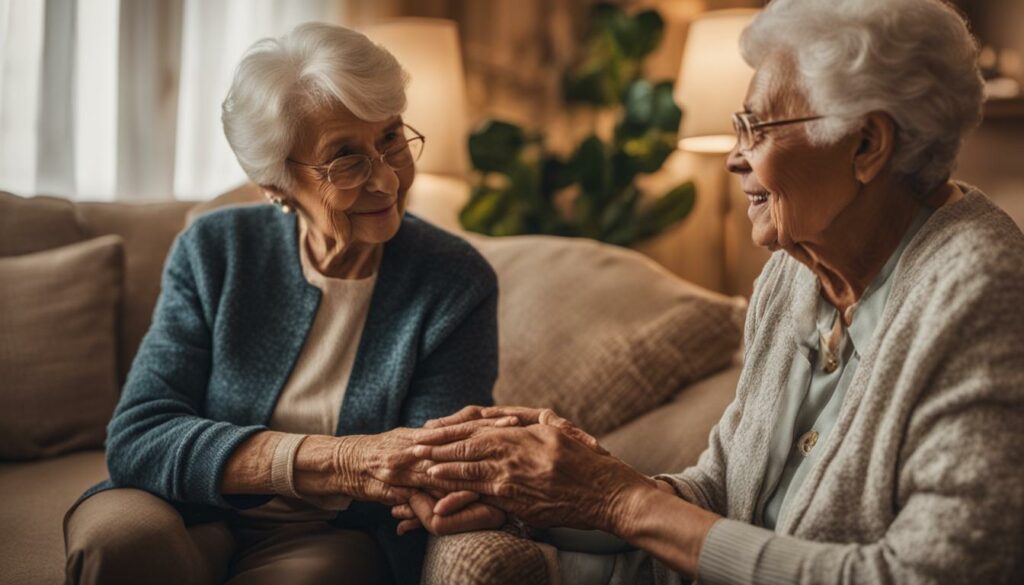
Seniors helping seniors is a powerful model where older adults support each other using shared experiences and empathy. These peer-driven initiatives address practical needs while boosting emotional and social well-being. This article explores key programs, telehealth integration, professional resources, and government grants that make this approach effective.
Peer Support Programs for Seniors
Volunteer Networks
Seniors volunteer to provide transportation, run errands, and offer companionship. These networks operate on mutual exchange, fostering community bonds and reducing isolation.
Skill-Sharing Workshops
Older adults teach and learn from each other in areas like crafts, technology, and health management. Workshops promote cognitive stimulation and social interaction.
Support Groups
Facilitated groups allow seniors to discuss health concerns, loneliness, and grief in a safe environment. These groups offer mutual encouragement and coping strategies.
Telehealth and Digital Access
Telehealth services provide convenient medical consultations and health monitoring at home. Key advantages include:
Accessibility: No transportation needed; ideal for those with mobility issues or in remote areas.
Convenience: Easy scheduling and faster communication with healthcare providers.
Continuity of Care: Regular monitoring prevents complications and hospitalizations.
Peer programs can integrate telehealth by offering digital literacy workshops, helping seniors use these technologies effectively.
Professional Services and Community Resources
Senior Care Authority Franchises
These franchises provide local expertise in navigating senior care options. Services include advisory support for retirement communities and home care, community events to foster connections, and resource access for government grants and financial assistance. Their personalized approach ensures culturally relevant support.
Home Care Assistance Locations
Home care providers incorporate peer support by training seniors as caregivers for personal care and companionship. They also coordinate with telehealth for comprehensive health management.
Retirement Communities
Retirement communities offer structured environments with social activities (book clubs, gardening), wellness programs (group exercise, meditation), and educational workshops. These settings enhance quality of life by reducing loneliness and fostering vibrant social networks.
Government Grants for Senior Initiatives
Federal and state grants fund volunteer networks, health and wellness programs, and technology access for seniors. Recent legislation has increased funding, recognizing the importance of peer support. Communities are encouraged to apply to expand these services.
Peer support models—from volunteer networks to telehealth integration—prove that seniors helping seniors is a sustainable, impactful approach to aging well.