Toenail Fungus Treatments: Medications, Laser, Natural Options & Prevention Tips
Learn about toenail fungus causes, symptoms, and effective treatments: prescription meds, laser therapy, natural remedies, and prevention tips.
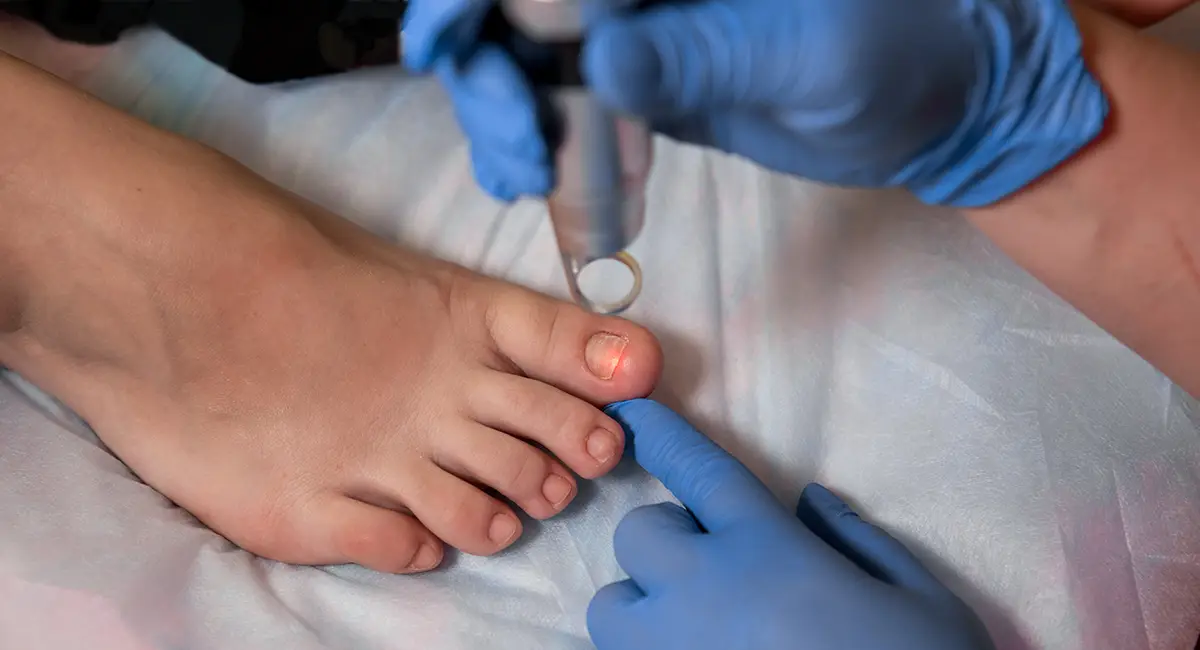
What Is Toenail Fungus? Causes, Symptoms, and Risk Factors
Toenail fungus, medically known as onychomycosis, is a common infection caused by dermatophytes that thrive in warm, moist environments. It can enter through small cuts near the nail, leading to discoloration, thickening, crumbling, and sometimes pain. Recognizing early signs—like a white or yellow spot under the nail—is crucial to prevent progression.
Common Causes
Primary causes include walking barefoot in public areas (pools, locker rooms), wearing tight, moisture-trapping shoes, and minor nail injuries. People with weakened immune systems, diabetes, or poor circulation face higher risk. Age, excessive sweating, and a history of athlete’s foot also contribute.
Symptoms to Watch For
Infected nails become thick, brittle, and yellow-brown or opaque. The nail may separate from the bed, causing pain and a foul odor. Without treatment, the infection can spread to other nails or skin.
Risk Factors
Older adults, those with reduced blood flow or slower nail growth, and individuals with a family history of nail fungus are more susceptible. Proper foot hygiene and breathable footwear help lower risk.
Medical Treatments: Prescription vs. Over-the-Counter Options
Prescription Oral Medications
Oral antifungals like terbinafine and itraconazole work systemically and are highly effective for severe or persistent infections. Treatment lasts weeks to months, but side effects (liver damage, drug interactions) require regular monitoring, including blood tests. These are typically reserved for infections unresponsive to topical treatments.
Prescription Topical Medications
Efinaconazole and tavaborole are applied directly to the nail, offering fewer systemic side effects. Treatment may take up to a year, with success depending on severity and adherence. They are preferred for mild to moderate cases.
Over-the-Counter Topical Treatments
OTC products containing tolnaftate or undecylenic acid can help manage mild infections or prevent spread, but they are less effective than prescriptions. Consistent, prolonged use is necessary. They serve as a starting point for early infections or as adjuncts, but persistent issues require a doctor’s input.
Innovative and Alternative Therapies
Cutting-edge treatments offer gentler or faster alternatives. The table below compares key options based on recent data.
| Therapy Type | Efficacy Rate (2024 est.) | Treatment Duration | Potential Side Effects | Cost (per session/month) |
|---|---|---|---|---|
| Laser Therapy | 60-80% | 3-4 sessions | Mild discomfort, temporary redness | $200-$1000 |
| Tea Tree Oil | 15-20% | Several months | Skin irritation, allergic reaction | $10-$30 |
| Snakeroot Extract | 18-25% | 3 months | Mild skin irritation | $20-$40 |
| Vapor Rub | 5-10% | Several months | Skin irritation, unpleasant odor | $5-$15 |
Data Source: Journal of the American Academy of Dermatology, 2024; National Center for Complementary and Integrative Health, 2025.
Laser Treatment Advances
Laser therapy uses concentrated light to destroy fungi without harming surrounding tissue. It’s non-invasive and can produce results faster than topicals. The number of specialized clinics rose 15% in 2024. Multiple sessions are needed, with mild side effects like temporary redness.
Natural Remedies
Tea tree oil, snakeroot extract, and vapor rub offer gentler options. Tea tree oil has antifungal properties; snakeroot extract shows moderate promise; vapor rub ingredients (camphor, eucalyptus) may inhibit fungi. Efficacy is lower, and consistent use for months is required.
Combining Therapies
Some patients combine laser with topical antifungals or add natural remedies to prescriptions for enhanced results. Always consult a healthcare provider before mixing treatments to avoid interactions. A personalized plan based on infection severity is most effective.
Preventing Recurrent Infections
Foot Hygiene
Wash feet daily, especially after public exposure, and dry thoroughly between toes. Use antifungal powders or sprays to keep feet dry. Wear breathable socks (cotton or wool) and change them daily.
Disinfect and Protect
Disinfect shoes regularly with antifungal sprays or powders. Never walk barefoot in public areas like locker rooms or communal showers—wear shower shoes or sandals.
Healthy Nail Habits
Trim nails straight across and short to prevent injuries. Disinfect clippers and files after use. Avoid prolonged use of artificial nails or polish, as they trap moisture. Choose salons that sterilize tools properly.
Frequently Asked Questions
Question 1: What are the common causes of toenail fungus (onychomycosis)?
Answer: The primary cause is dermatophytes entering through skin cracks. Risk factors include walking barefoot in public, wearing tight shoes, and having weakened immunity or diabetes.
Question 2: What role do healthcare professionals play in managing toenail fungus?
Answer: They diagnose via physical exam and lab tests, prescribe appropriate treatments (oral, topical, laser), monitor progress and side effects, and educate patients on prevention to reduce recurrence.