Understanding Heavy-Duty Industrial Vacuum Cleaners: How They Work, Benefits & Innovations
Learn how industrial vacuums work, their role in workplace safety, and modern innovations from HEPA filters to robotic cleaners.
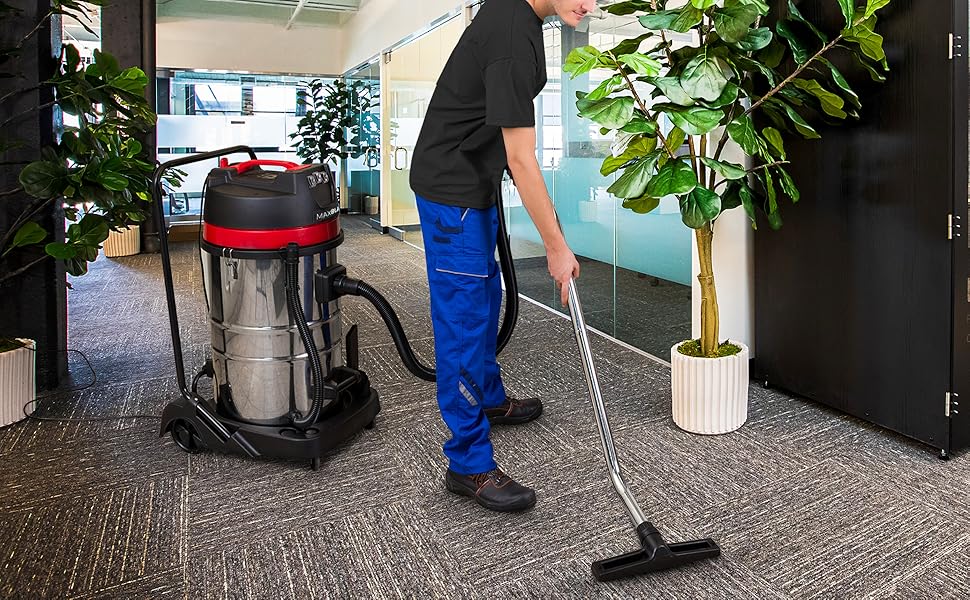
How Industrial Vacuum Cleaners Work
Heavy-duty industrial vacuum cleaners rely on a motor-driven fan or blower to evacuate air from a collection tank, creating a pressure difference. Air rushes in through the intake nozzle, carrying dust, debris, and hazardous materials. Multi-stage filtration systems, often featuring HEPA filters that capture 99.97% of particles 0.3 microns or larger, ensure clean exhaust. Robust motors rated for continuous operation provide the necessary power, with single or multi-motor configurations for varying workloads. Collected materials are deposited into a tank or bag, with some models offering automated emptying for high-volume use.
Key Benefits for Safety and Efficiency
Advanced industrial vacuum systems dramatically improve workplace safety by containing hazardous substances like asbestos, lead dust, and chemical spills, minimizing worker exposure. HEPA filtration prevents fine particles from recirculating. Efficiency gains come from powerful suction and specialized attachments that clean hard-to-reach areas faster than manual methods, reducing labor costs. These systems are versatile across manufacturing, construction, pharmaceuticals, and food processing. While the initial investment is higher, long-term savings from reduced downtime, lower maintenance, and improved worker health deliver a strong return on investment. Environmentally, effective dust control and proper waste disposal reduce air and soil pollution.
Latest Innovations in Design
Recent developments include portable and compact models weighing under 20 pounds for easy transport in tight spaces. HEPA and multi-stage filtration systems (cyclones, pre-filters) extend filter life and maintain suction. Robotic industrial cleaners equipped with sensors and AI navigate autonomously, following programmable schedules—ideal for large warehouses. Cordless lithium-ion models offer run times exceeding one hour, eliminating tripping hazards and enabling cleaning in areas without power outlets. Specialized nozzles, crevice tools, and brush attachments optimize cleaning of intricate machinery and overhead pipes, further reducing manual labor.
Frequently Asked Questions
Q1: What are the core components of an industrial vacuum cleaner?
A: The core components include a motor-driven fan or blower to create suction, a collection tank or bag, multi-stage filtration (often including HEPA filters), and a robust motor for continuous operation. Power ratings vary by application, and some models feature automated emptying systems.
Q2: How do these systems improve safety and efficiency?
A: They enhance safety by effectively containing hazardous materials like asbestos and lead dust, preventing worker exposure. HEPA filters stop fine particles from recirculating. Efficiency is improved via high-powered suction and specialized attachments that clean hard-to-reach areas quickly, reducing cleaning time and labor costs.
Q3: What are recent innovations in industrial vacuum design?
A: Innovations include portable and compact designs for easy maneuverability, advanced HEPA and multi-stage filtration, robotic cleaners with AI navigation and programmable schedules, cordless battery-powered models for flexibility, and specialized nozzles and attachments for diverse tasks.