Migraine Massage Therapy: Techniques for Relief and Prevention
Discover how specialized migraine massage techniques relieve pain, release trigger points, and reduce frequency. Learn about neck, shoulder, and deep tissue methods.
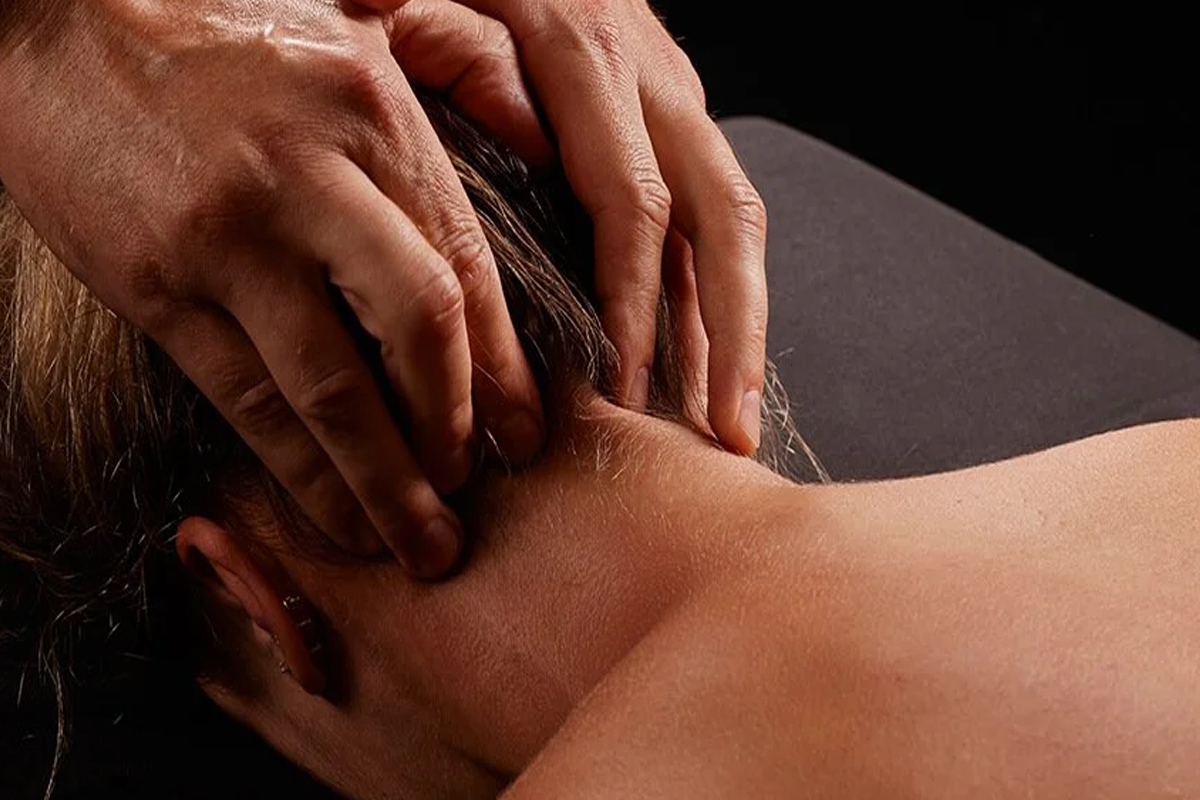
How Massage Works for Migraines
Migraines are more than just headaches; they are neurological events often accompanied by muscle tension, restricted blood flow, and nerve compression. Specialized massage therapy targets these mechanical roots rather than merely masking symptoms. By manually releasing tight fascia and calming overactive nerves, therapists can interrupt pain signals and restore normal circulation. This approach is not about relaxation alone—it is a physiological reset.
Trigger Points and Referred Pain
Many migraine sufferers have hyperirritable spots in their muscles called trigger points. These knots can refer pain to distant areas—for example, a knot in the shoulder blade may cause pain behind the eye. A skilled therapist uses slow, deliberate pressure to release these points, which is a hallmark of migraine-specific rub therapy. Unlike a standard sports massage, the session is paced to avoid overstimulation, which can sometimes provoke a headache.
| Feature | Relaxation (Swedish) Massage | Therapeutic Migraine Protocol |
|---|---|---|
| Primary Goal | General stress reduction and mood elevation. | Pain management, trigger point release, and structural alignment. |
| Pressure Depth | Light to medium, broad strokes. | Variable; often deep and focused on specific knot points. |
| Client Interaction | Minimal talking to ensure quiet rest. | Active communication regarding pain levels and sensation referral. |
| After-Effects | Immediate sleepiness or relaxation. | Possible soreness followed by significant pain reduction over 24 hours. |
| Frequency | Occasional treat or monthly maintenance. | Often structured as a treatment plan (e.g., weekly) during flare-ups. |
The Neck and Shoulder Connection
The muscles of the upper back and neck—especially the trapezius, levator scapulae, and sternocleidomastoid—are common culprits in tension-triggered migraines. Hours spent hunched over keyboards or phones shorten and harden these fibers, pulling on the skull base and causing intense pain. Targeted neck and shoulder massage lengthens these shortened muscles, with special attention to the suboccipital muscles at the base of the skull. Many patients report immediate release of a "vice-like" grip when this area is addressed.
Postural correction is a secondary benefit. Loosening tight chest and shoulder muscles allows the head to sit naturally on the spine, reducing daily strain. Deep tissue work for migraines thus offers longer-lasting relief when combined with postural awareness.
Professional Care vs. At-Home Self-Care
Deciding between a trained therapist and self-massage depends on the severity of the condition and budget. Professional therapy provides precise anatomical knowledge and the ability to break chronic pain cycles, while at-home methods like foam rollers or massage balls offer convenience and daily maintenance.
| Factor | Professional Therapy | At-Home Self-Care |
|---|---|---|
| Technique Precision | High; therapists know exact anatomy and trigger points. | Low to Medium; relies on general feeling and tools. |
| Cost Implications | Higher cost per session; insurance may cover some cases. | nice price; one-time purchase of tools (balls, rollers). |
| Relaxation Level | Maximum; full body nervous system down-regulation. | Variable; requires effort and physical exertion. |
| Consistency | Dependent on appointment availability. | Can be done daily or multiple times a day. |
| Best Used For | Deep structural issues and chronic cycle breaking. | Maintenance between sessions and acute symptom onset. |
Choosing a Qualified Practitioner
Not all massage therapists specialize in migraines. Look for certifications in neuromuscular therapy, craniosacral therapy, or clinical massage. When searching for migraine massage services, ask about experience with chronic pain and whether they coordinate with your primary care physician. Clear communication about your pain triggers and sensitivity ensures a tailored treatment plan.
Frequently Asked Questions
What is migraine massage therapy and how does it help?
Migraine massage therapy is a specialized form of bodywork that uses deep tissue, trigger point therapy, and myofascial release to reduce muscle tension, improve circulation, and release stress. By targeting the neck and shoulders, it can decrease the frequency and severity of migraine attacks.
How can I find migraine massage services near me in the US?
Search online directories or use search engines with keywords like "migraine massage therapy near me." Check wellness centers, spas, and clinics that offer specialized migraine relief. Online reviews on Yelp or Google Maps can help you choose a reputable provider.
What is the role of neck and shoulder massage in managing migraines?
Neck and shoulder massage relieves tension and stiffness that often trigger migraines. It improves flexibility and reduces pressure on nerves and blood vessels, helping to prevent headaches. Regular sessions also support better posture and long-term relief.