Electronic Health Records for Small Practices: Implementation, Security, and Workflow Optimization Guide
Learn how small practices can implement EHR systems effectively, secure patient data in the cloud, and customize workflows to boost efficiency and care quality.
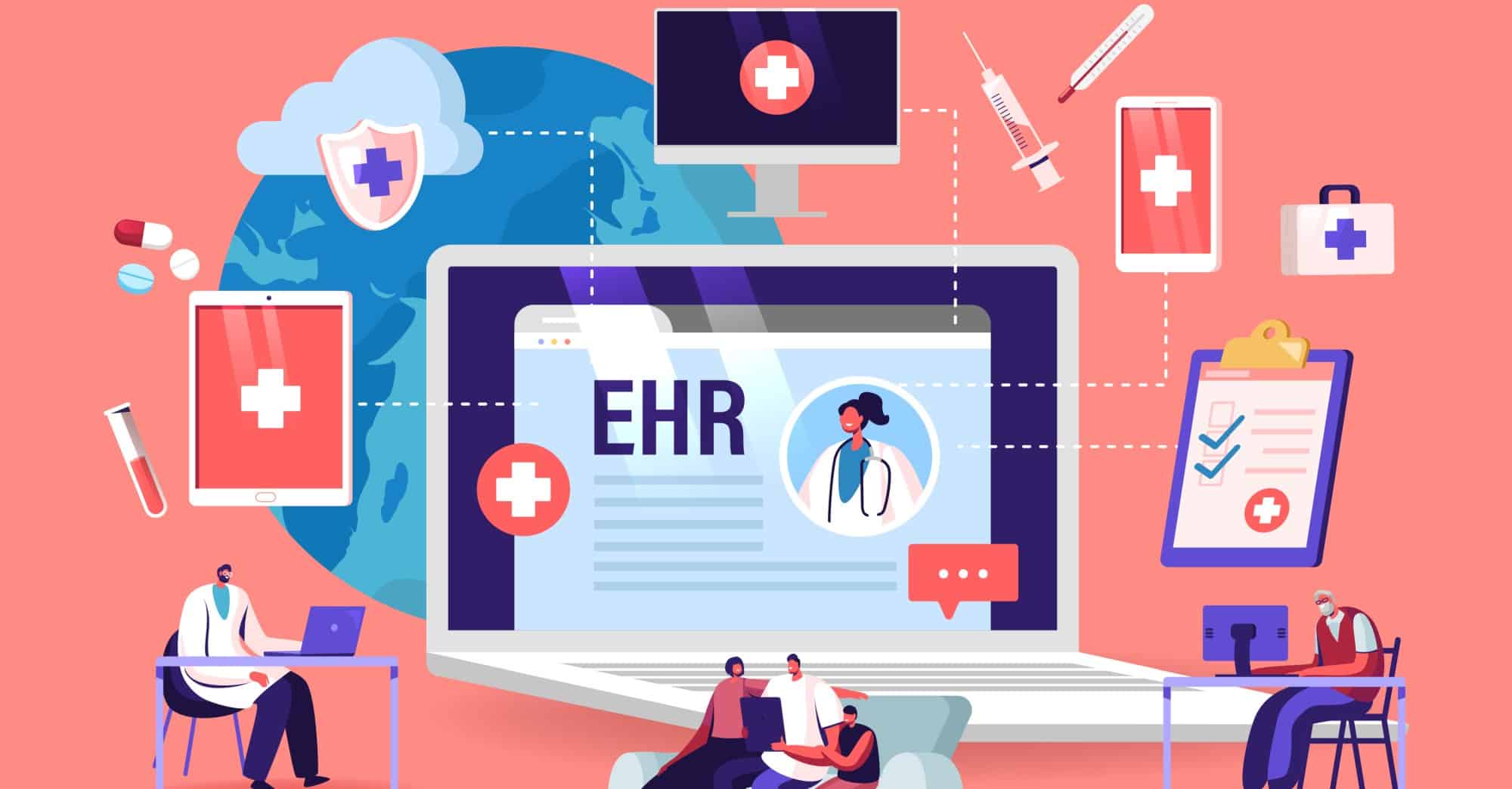
Getting Started with EHR for Small Practices
Electronic Health Records (EHRs) are comprehensive digital systems that transform how small practices operate. They automate administrative tasks, improve billing accuracy, reduce claim denials, and enable better care coordination. By making patient information available instantly and securely, EHRs help clinicians focus on what matters most: patient health.
Core Functionalities and Benefits
Core features include e-prescribing, appointment scheduling, patient portals, decision support, and basic reporting. For small practices, these functions directly improve efficiency and reduce manual work. Specialty templates and lab integration further tailor the system to unique needs. On the security front, robust measures—such as data encryption (both in transit and at rest), role-based access control (RBAC), multi-factor authentication (MFA), intrusion detection/prevention, and regular audits—are essential to protect patient data and comply with HIPAA and GDPR.
Cloud-Based Security Essentials
Cloud-based EHR solutions offer lower upfront costs and automatic updates, making them popular among small practices. However, securing patient data in the cloud requires diligence. Encryption ensures data remains unreadable to unauthorized parties. Access controls limit viewing and modification to authorized personnel only. Intrusion detection systems provide early warnings of suspicious activity. Regular security audits and vulnerability assessments (as recommended by NIST, HITRUST, and the Cloud Security Alliance) help identify weaknesses before they are exploited. These layers of protection ensure compliance and maintain patient trust.
Customizable EHR Software: Streamlining Workflows
One size does not fit all in healthcare. Customizable EHR software adapts to a practice’s specific workflows, reducing the time spent on data entry and manual tasks. The table below outlines key customization features and their benefits, based on recent industry research.
| Feature | Benefit | Example | Data Source & Year |
|---|---|---|---|
| Customizable Templates | Reduces data entry time | Creating templates for common visit types (e.g., cardiology or pediatric well-child visits) | KLAS Research, 2024 |
| Workflow Automation | Minimizes manual tasks | Automated appointment reminders, prescription refills, and lab order processing | HIMSS, 2025 |
| Integrated Modules | Improves data accessibility and eliminates duplicate entry | Combining billing, scheduling, and clinical documentation in one system | Black Book Research, 2024 |
| Role-Based Access | Enhances security and compliance | Limiting access to sensitive data based on user role | ONC, 2025 |
By tailoring templates to specific specialties, practices ensure consistent, accurate data collection. Automation of routine tasks frees staff to focus on patients and reduces human error. Integrated modules create a seamless flow of information—scheduling automatically updates billing, and clinical notes are instantly available for coding. Role-based access maintains privacy and helps meet regulatory requirements.
Implementation and Q&A
Implementing an EHR requires careful planning. Start by assessing your practice's workflows and needs. Research vendors and choose a system that fits your budget and specialty. Ensure proper training and ongoing support for a smooth transition. Below are answers to common questions small practices ask.
Q: What are the core EHR functionalities crucial for small practices?
A: E-prescribing, appointment scheduling, patient portals, and basic reporting are vital. These directly improve patient care and streamline workflows, reducing administrative burden. Specialty templates and lab integration further enhance efficiency.
Q: What is the difference between cloud-based and on-premise EHR, and which is better for small practices?
A: Cloud-based EHRs have lower upfront costs, less IT overhead, and automatic updates—ideal for small practices with limited resources. On-premise systems offer more control but require significant hardware and IT investment. The choice depends on budget and technical capabilities.
Q: How does customizable EHR improve workflow efficiency?
A: By allowing tailored templates, automating tasks like appointment reminders and prescription refills, and integrating billing, scheduling, and clinical documentation. This reduces data entry, minimizes manual work, and improves data accessibility.
Q: What security measures are essential for cloud-based EHRs to comply with HIPAA?
A: Data encryption (in transit and at rest), access controls (RBAC, MFA), intrusion detection/prevention systems, and regular security audits and vulnerability assessments. These protect patient information and ensure compliance. Responsibility often lies with the cloud provider, but practices must verify measures.