Complete Guide to Window Replacement: Process, Costs, Energy Savings & Maintenance
Learn the window replacement process, choose the right windows, understand costs, and boost energy efficiency. Expert tips for a successful project.
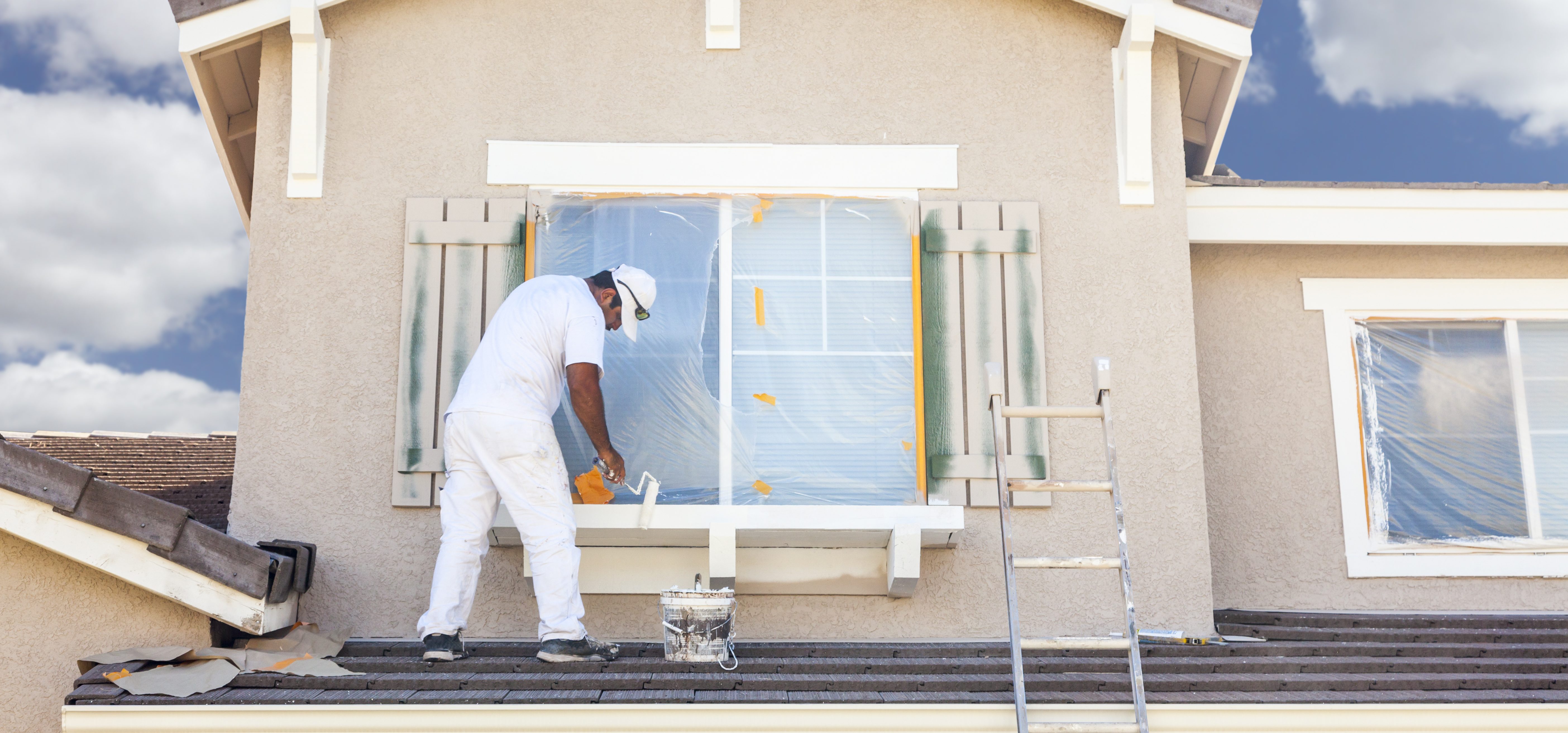
Overview of Window Replacement
Window replacement is a significant home improvement project that can enhance energy efficiency, curb appeal, and property value. Whether you are dealing with drafty single-pane windows or outdated frames, understanding the process helps you make informed decisions. This guide walks you through every phase—from initial assessment to ongoing maintenance—and covers costs, material options, and energy-saving features.
Step-by-Step Replacement Process
1. Assessment and Selection
Start by inspecting your existing windows for signs of damage: drafts, condensation between panes, difficulty operating, rot, or decay. Once you identify the problem, choose replacement windows that suit your home’s architecture. Consider frame material (vinyl, wood, aluminum, fiberglass), glass type (double-pane, triple-pane, low-E coatings), and operating style (double-hung, casement, sliding). Energy Star ratings and U-factor are key for efficiency. Check local building codes for impact-resistant glass requirements. Accurate measurements are critical to ensure a proper fit.
2. Preparation and Removal
Clear the work area, protect furniture, and gather tools. Wear safety glasses and gloves. Score paint or caulk around the frame, remove interior trim, then extract the old window unit carefully to avoid damaging walls or siding. In commercial projects, coordinate with a team and follow strict safety protocols. Dispose of old windows according to local waste management guidelines.
3. Installation and Finishing
Professional installation ensures a snug fit and prevents air leaks. The new window is leveled, secured, and insulated around the frame. Exterior flashing and caulking seal out moisture. Interior trim is reinstalled. Test operation and check for drafts. A proper installation maximizes energy savings and extends window life.
Choosing the Right Windows
Window Types and Materials
Common window types include double-hung, casement, awning, sliding, and fixed. Each offers different ventilation and aesthetic benefits. Double-hung windows are classic and easy to clean; casement windows provide excellent airflow. Frame materials vary: wood offers traditional beauty but requires upkeep; vinyl is low-maintenance and affordable; aluminum is durable and modern; composite blends strength with insulation. Choose based on your climate, style, and maintenance preference.
Energy Efficiency Features
Energy-efficient windows reduce heating and cooling costs. Look for low U-factor (better insulation) and low solar heat gain coefficient (SHGC) to control heat gain. Double or triple panes, low-E coatings, and argon/krypton gas fills enhance performance. Sustainable materials, such as recycled content or responsibly sourced wood, support green building goals and may qualify for incentives.
Understanding the Costs
Key Cost Factors
Window style, frame material, and size heavily influence price. Custom shapes or oversized units cost more. Labor charges depend on installation complexity and local rates. Permit fees may apply. Material costs range from budget vinyl to premium wood or fiberglass. Energy-efficient upgrades add upfront cost but yield long-term savings. Always get detailed quotes that itemize materials and labor.
Maintenance for Longevity
Regular Upkeep Tasks
To extend the life of replacement windows, perform these tasks routinely:
Cleaning: Use mild soap and water; avoid abrasives. Clean frames and sills.
Inspecting seals: Check for cracks or damage to prevent air and water leaks.
Lubrication: Apply silicone lubricant to hinges, locks, and tracks.
Minor repairs: Fix cracks or loose screws promptly.
Weatherproofing: Replace weatherstripping or caulk as needed.
Consistent care preserves energy performance and prevents costly replacements.
Frequently Asked Questions
What are the benefits of using an online window quote service?
Online quote services let homeowners and contractors compare prices from multiple suppliers quickly, saving time and ensuring competitive rates. Users can input specific window details for accurate estimates, facilitating better budget planning.
What is the window replacement bonus?
The window replacement bonus is a government or utility incentive that rewards homeowners for installing energy-efficient windows. It can take the form of a rebate or financial assistance, lowering upfront costs and reducing long-term energy bills through improved insulation.
What to do during a plumbing emergency?
In a plumbing emergency, turn off the main water supply immediately to stop flooding. Contain leaks with towels or buckets. Avoid using electrical appliances near water. Document damage with photos for insurance, then call a professional plumbing emergency service.
How does free project management help roof repair clients?
Free project management ensures efficient coordination between contractors, suppliers, and clients. It streamlines communication, monitors timelines and budgets, and maintains quality standards. This service reduces delays and cost overruns, increasing client satisfaction and helping roof repair companies stand out.