Energize Golden Years with Low-Impact Dance Fitness for Seniors
Discover how senior dance fitness boosts joint health, cognitive function, and social connection. Low-impact, fun, and safe for all abilities.
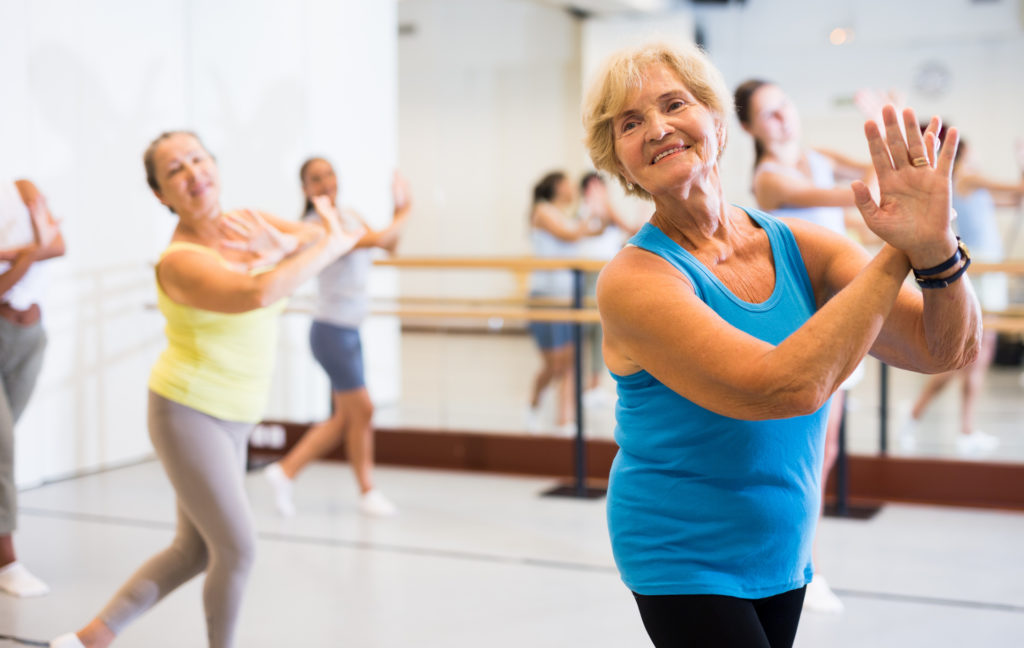
Low-Impact Movement Protects Joints
Designed for Comfort and Safety
For seniors worried about knee or lower back pain, dance fitness offers a safe alternative to high-intensity workouts. Programs for older adults follow a low-impact philosophy: no jumping, spinning, or hard stomping. Instead, the focus is on rhythmic swaying, controlled stepping, and fluid motions that raise the heart rate without punishing the joints. Every move can be adapted—seated variations are common, allowing participants with balance concerns to engage fully. The priority is moving safely within personal range, guided by music rather than force.
Strength Without Strain
Dance fitness delivers hidden strength conditioning. Following Latin or world rhythms engages core muscles for posture, leg muscles for stability, and arms for tone. This continuous movement helps maintain bone density and prevent age-related muscle loss. Weight shifts and gentle twists strengthen stabilizer muscles, directly supporting fall prevention—a critical goal for independent living. The result turns muscle maintenance from a chore into an enjoyable expression of energy.
| Feature | Traditional Gym | Senior Dance Fitness |
|---|---|---|
| Focus | Repetition and sets | Rhythm and flow |
| Impact | Often high/moderate | Low, joint-friendly |
| Mental engagement | Internal focus, counting | External focus, music |
| Adaptability | Machine adjustment | Instant self-modification |
| Atmosphere | Solitary, serious | Social, party-like |
Mind and Mood Benefits
Cognitive Workout and Happiness
Dancing is a dual-task activity: the brain processes music while coordinating movement. This stimulates neural pathways, helping maintain mental sharpness. Quick decisions—step left or right, mirror the instructor—keep the mind agile. Meanwhile, upbeat music triggers endorphin and serotonin release. For seniors facing isolation or lethargy, a dance session lifts mood and reduces stress. It’s an emotional release that fosters optimism.
Social Connection Combats Loneliness
Group classes create a sense of belonging. Shared laughter over a missed step, collective cheer at the end of a song—these moments build bonds. Classes become a social anchor, a reason to leave the house and interact. The atmosphere is celebratory, not competitive. Regular attendance turns exercise into eagerly anticipated social engagement.
Overcoming Barriers to Entry
Let Go of Perfectionism
Many hesitate due to fear of two-left-feet or being watched. Senior dance classes prioritize participation over perfection. The environment is judgment-free; the goal is to keep moving, not memorize choreography. If you miss a beat, laugh and keep going. Instructors emphasize feeling the music. Self-consciousness fades once the music starts, replaced by infectious energy.
Build a Sustainable Habit
Consistency brings long-term rewards. Start with one class per week. Listen to your body—on low-energy days, take it easy. Treat the class as an unmissable appointment. Over time, motivation shifts from “I have to” to “I get to dance.” This psychological change sustains the habit for years.
| Barrier | Reframed Perspective |
|---|---|
| "I can't keep up." | "I'll move at my own pace and rest as needed." |
| "I don't know the steps." | "There's no wrong move if I'm moving safely." |
| "I'm too tired." | "Even 10 minutes of movement energizes me." |
| "I have no friends there." | "I'm joining a welcoming community." |
Frequently Asked Questions
What are the benefits of Zumba classes for seniors near me? They enhance cardiovascular health, improve balance and coordination, and boost mood. Classes are tailored for older adults, ensuring safety.
How can I find free exercise classes for seniors near me? Check community centers, local gyms, senior centers, and non-profits. Online resources often list free or discounted options.
What should beginners expect from Zumba classes? A welcoming environment with easy-to-follow routines. Instructors break down steps and offer modifications for all fitness levels.
Are there senior fitness classes focused on strength training? Yes, many centers offer classes using light weights, resistance bands, and bodyweight exercises to build muscle and improve bone density.
How do senior Zumba classes differ from regular Zumba? Often called Zumba Gold, they feature lower-intensity moves and routines, making them suitable for varying fitness levels and reducing injury risk.