Two-Bedroom Homes for Seniors: Comfort, Independence, and Value
Explore how two-bedroom homes enhance senior living with space, care flexibility, and community. Includes design, financial tips.
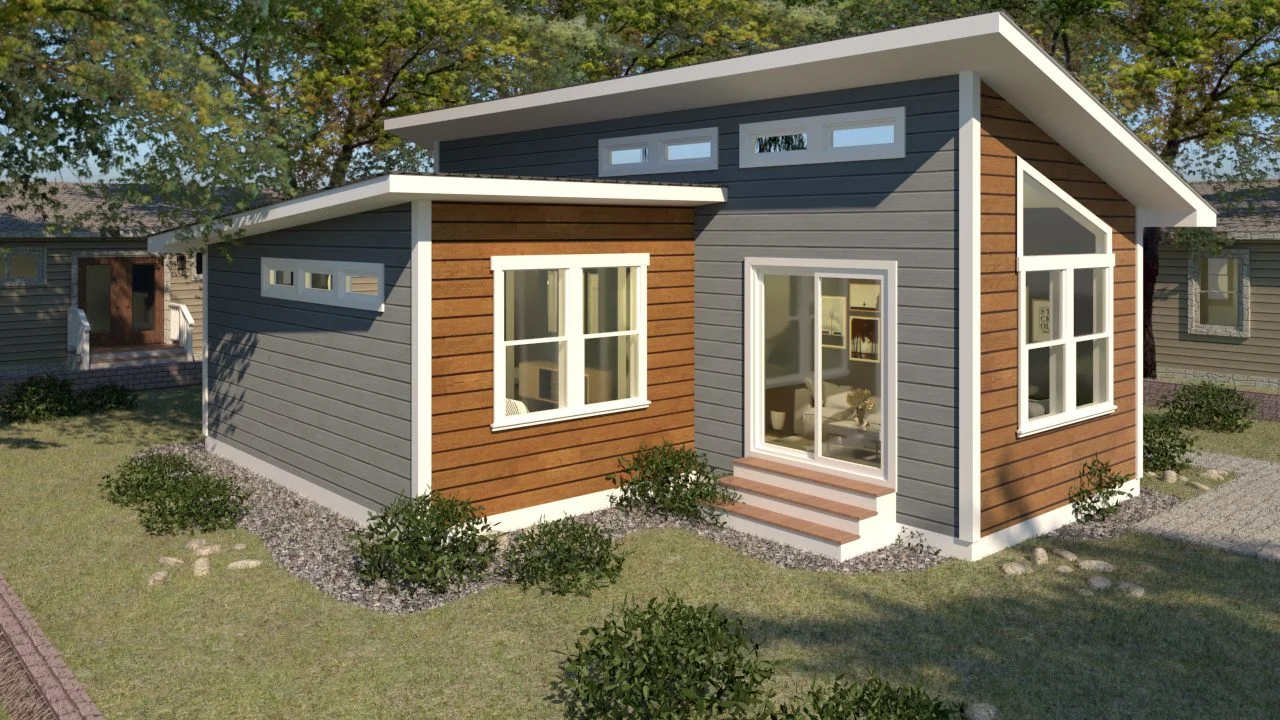
Why Two-Bedroom Homes Are Ideal for Senior Living
Two-bedroom residences offer seniors a versatile and comfortable living arrangement that supports both independence and social connection. The extra square footage can be used to host family, pursue hobbies, or accommodate a live-in caregiver, reducing the need for costly assisted living facilities. This flexibility contributes to a higher quality of life and allows seniors to age in place with dignity.
Extra Space for Guests and Hobbies
A second bedroom provides a dedicated area for visiting relatives or a private studio for crafts, reading, or exercise. This reduces clutter in the main living area and creates a calm, organized environment that is especially beneficial for older adults.
Adapting to Healthcare Needs
As health requirements evolve, the spare room can be transformed into a space for medical equipment or a live-in caregiver. This setup enables seniors to receive necessary support while remaining in a familiar home setting, offering peace of mind for both residents and their families.
Promoting Autonomy
Having extra space empowers seniors to personalize their surroundings and maintain daily routines without feeling confined. This sense of control is strongly linked to improved mental and emotional well-being.
Smart Design for Small Two-Bedroom Condos
For seniors downsizing to a 50 sqm condo, thoughtful design is essential. Open-concept layouts, multi-functional furniture, and smart storage solutions can make compact spaces feel spacious and efficient.
Open Layouts and Multi-Functional Furniture
Combine living, dining, and kitchen areas to create an airy flow. Invest in sofa beds, folding tables, and wall-mounted desks that serve multiple purposes, allowing the space to adapt to different activities throughout the day.
Vertical Storage and Lighting
Install shelves that reach the ceiling to maximize vertical storage. Use mirrors and layered lighting to enhance the sense of depth and brightness, making the condo feel larger than its actual square footage.
Community Dynamics in 55+ Housing Developments
Active adult communities offer a built-in social network that combats loneliness. Organized events, shared amenities, and interest groups foster connections, while clear guidelines and mediation protocols help maintain harmony. Balancing privacy with engagement is key—successful communities respect individual preferences and provide options for varying levels of participation.
Financial Planning for Senior Living Investments
Investing in senior-living properties requires careful analysis. Initial costs include purchase price, renovations, and licensing, while ongoing expenses cover staffing, utilities, and marketing. Revenue typically comes from resident fees, and diversifying with specialized programs can enhance stability. High occupancy rates are critical for steady cash flow, and financing options range from conventional loans to private equity—each with distinct terms that impact profitability.
Choosing the Right Two-Bedroom Home
When selecting a home, seniors should first define their needs—location, proximity to healthcare, and lifestyle preferences. Setting a realistic budget that accounts for taxes, insurance, and maintenance is crucial. Working with a real estate agent who understands senior housing can simplify the search. Thorough property inspections and consideration of resale value help ensure a sound long-term investment.