How Customs Brokers Boost Trade Efficiency Amid Tariff Changes
Learn how customs brokers enhance trade efficiency, manage tariff impacts, and leverage technology for smoother international shipping.
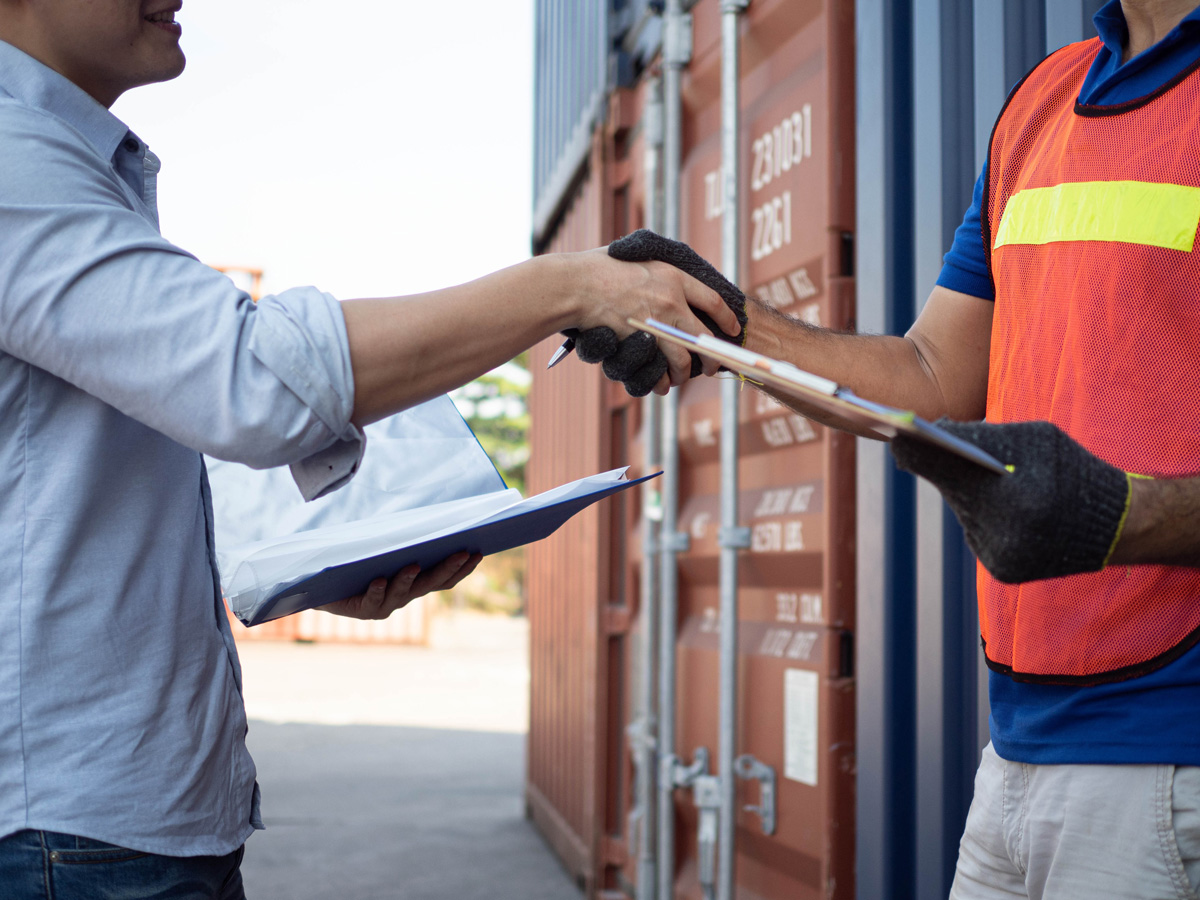
Why Customs Brokers Matter in International Trade
Customs brokers are licensed professionals who help businesses clear goods through customs efficiently. They act as intermediaries between companies and government agencies, ensuring shipments comply with import and export laws. Beyond paperwork, they offer strategic advice on trade regulations, tariff classification, and risk management. Their expertise helps businesses avoid costly delays and penalties while optimizing operations.
Core Duties of a Customs Broker
Documentation and Compliance
Brokers prepare and submit essential documents like commercial invoices, bills of lading, and certificates of origin. Accurate filing is critical to prevent delays and fines.
Tariff Classification
Using Harmonized System (HS) codes, brokers correctly classify goods to determine applicable duties and taxes. Proper classification saves money and reduces the risk of overpayment or penalties.
Risk Management
Advanced risk management systems help brokers identify compliance issues before they escalate. This proactive approach safeguards businesses from disruptions and fines.
Advisory Services
Brokers provide insights on regulatory changes, tariff impacts, and cost-saving strategies. Their guidance helps companies adapt to market shifts and remain competitive.
How Recent Tariff Policies Affect Trade
New tariff policies have reshaped U.S. trade dynamics. While tariffs protect domestic industries and generate revenue, they raise costs for importers and consumers. Businesses may face higher expenses and supply chain disruptions.
Impact on Supply Chains
Tariffs increase the cost of imported raw materials, forcing companies to reconsider sourcing strategies and explore alternative suppliers. Disruptions can lead to delays and higher operational costs.
Brokers Help Navigate Tariff Challenges
Customs brokers assist businesses in adapting to tariff changes through strategic planning—optimizing supply chains, leveraging trade agreements, and exploring duty drawback programs. They ensure accurate tariff classification and documentation to maintain compliance and avoid penalties.
Choosing the Right Customs Broker Services
Different broker services suit different needs:
Logistics Customs Broker: Integrates customs processes with logistics for end-to-end solutions, streamlining the entire supply chain.
Customs Broker for Small Business: Offers cost-effective, personalized support to help small enterprises navigate international trade without overextending resources.
Electronic Customs Management System: Uses technology to automate documentation, real-time tracking, and compliance monitoring, improving accuracy and efficiency.
Technology in Customs Management
Digital tools are transforming customs processes. Electronic customs management systems automate tasks, reduce errors, and provide real-time visibility. Integrating with export compliance software ensures adherence to international regulations.
Key Benefits of Electronic Systems
| Technology Feature | Impact on Customs Efficiency |
|---|---|
| Automated Documentation | Reduces errors and speeds up processing |
| Real-Time Tracking | Improves visibility and coordination |
| Compliance Monitoring | Ensures adherence to regulations |
Export Compliance Solutions
Effective export compliance is essential for international trade. Solutions include risk assessment tools, regulatory updates, and training resources. Staying informed and proactive helps companies avoid disruptions and maintain smooth operations.
FAQs
What is the role of a customs broker in international trade?
A customs broker facilitates imports and exports by handling documentation, ensuring compliance, and advising on trade regulations. They help businesses navigate customs complexities and reduce risks.
How do recent tariff policies affect U.S. importers and exporters?
Recent tariff policies can raise costs, disrupt supply chains, and impact competitiveness. Importers and exporters may need to adjust pricing, sourcing, and operations to manage these effects.
What are the benefits of using an electronic customs management system?
These systems automate processes, improve accuracy, and provide real-time insights. They reduce manual work and ensure compliance, leading to faster clearance and better operational visibility.
How can small businesses benefit from customs broker services?
Customs brokers offer tailored support and cost-effective solutions, helping small enterprises handle international trade complexities without straining resources.
What are the components of export compliance solutions?
They include risk assessment tools, regulatory updates, and training resources. These components help businesses maintain compliance, avoid disruptions, and stay current with regulatory changes.
By working with a skilled customs broker and adopting modern technology, businesses can streamline trade operations, reduce risk, and stay competitive in a changing global market.