Long-Range Electric SUVs: Performance, Tech & Top Models for 2023
Explore the best long-range electric SUVs of 2023: Tesla Model X, Ford Mustang Mach-E, Rivian R1S. Performance, tech, and comparisons with hybrids.
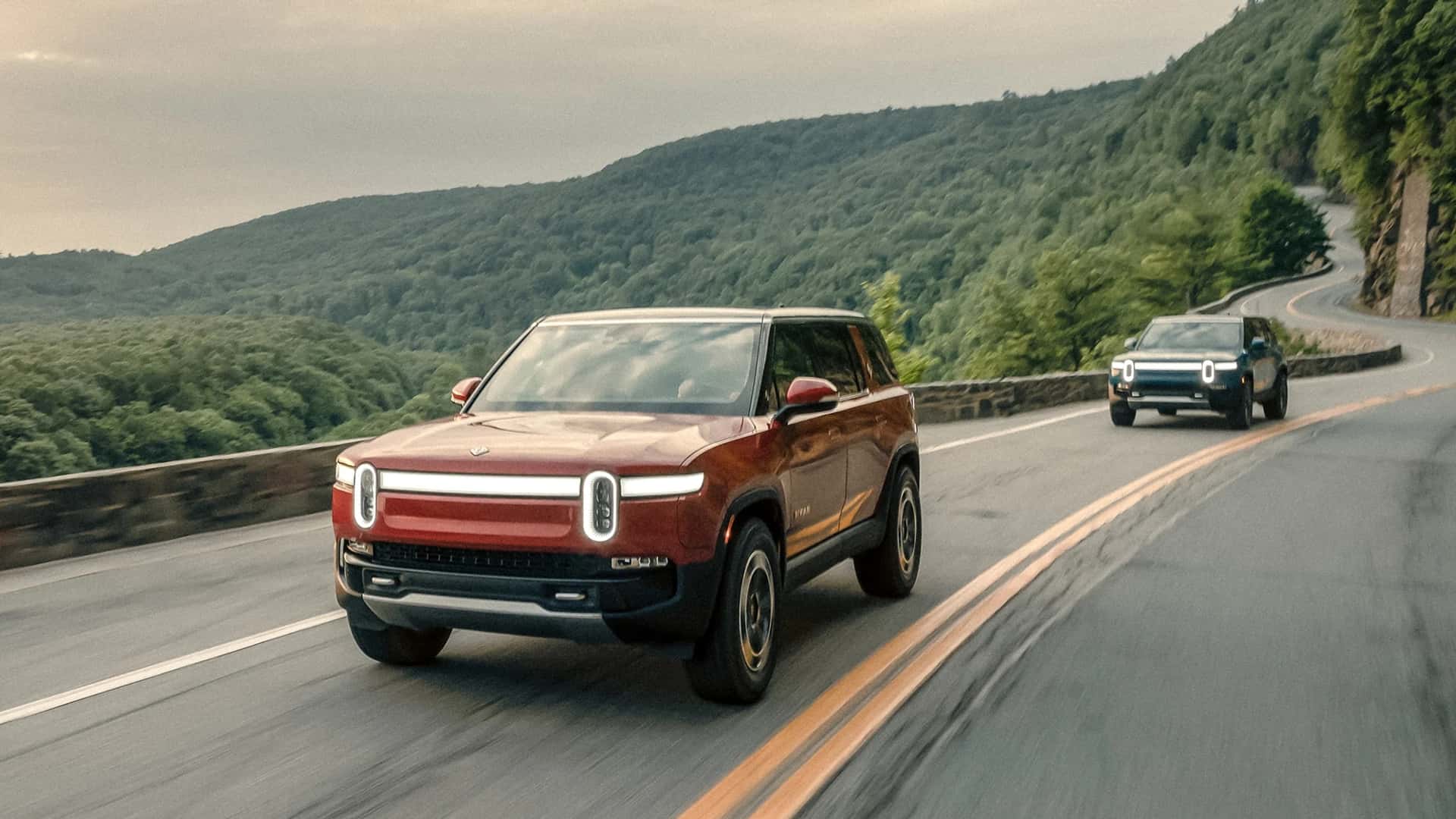
Electric SUVs Redefine Driving
Electric SUVs have surged in popularity as automakers combine zero-emission powertrains with the space and utility buyers love. Advances in battery technology now deliver ranges beyond 300 miles on a single charge, making long road trips feasible without range anxiety. Government incentives and falling costs further accelerate adoption, positioning electric SUVs as a mainstream choice for families and adventurers alike.
Top Long-Range Electric SUV Models
Tesla Model X
The Tesla Model X offers an EPA-rated range of up to 360 miles. Its tri-motor Plaid variant rockets from 0 to 60 mph in 2.6 seconds, while the falcon-wing doors and spacious cabin provide family-friendly luxury. Tesla’s Autopilot system and over-the-air updates keep the technology current.
Ford Mustang Mach-E
Ford’s Mustang Mach-E blends sporty handling with up to 300 miles of range. The GT Performance Edition reaches 60 mph in 3.5 seconds. SYNC 4A with voice control and a large touchscreen deliver intuitive connectivity. The Mach-E is a strong competitor in the mid-size electric SUV segment.
Rivian R1S
The Rivian R1S leads the pack with an estimated 410-mile range, ideal for off-road adventures. Quad-motor all-wheel drive provides exceptional traction, and the gear tunnel adds clever storage. Rivian’s Driver+ system offers hands-free driving on compatible highways.
Why Choose an Electric SUV Over a Hybrid?
Electric SUVs produce zero tailpipe emissions, operate more efficiently, and require less maintenance than hybrids. While hybrids still use gasoline, all-electric models eliminate fuel costs entirely and benefit from a rapidly growing charging network. For drivers who want the lowest environmental impact and long-term savings, electric SUVs are the clear winner.
Technology Powering Modern Electric SUVs
Battery efficiency continues to improve, with solid-state cells on the horizon. Regenerative braking captures energy during deceleration, extending range. Advanced connectivity allows remote climate control, navigation updates, and smartphone integration. Many models also feature all-wheel drive for improved handling in rain or snow.
Performance That Rivals Sports Cars
Instant torque gives electric SUVs breathtaking acceleration. The Rivian R1S and Tesla Model X Plaid outpace many gasoline-powered sports cars. Sophisticated suspension and low center of gravity (due to floor-mounted batteries) enhance cornering stability, making these vehicles both thrilling and practical.
Competitive Landscape and Emerging Players
Lucid Motors is entering the SUV market with the Lucid Gravity, aiming to combine luxury and efficiency. NIO offers battery-swapping technology in China, while Audi’s e-tron line appeals to premium buyers. The market is competitive, with each brand pushing range, performance, and software capabilities.
Future Trends: What to Expect by 2030
Battery ranges are expected to exceed 500 miles. Semi-autonomous driving will become standard. Automakers are also committing to sustainable materials and carbon-neutral production. Consumer preference is shifting toward zero-emission vehicles, and electric SUVs are well positioned to dominate the new-car market.
Whether you prioritize environmental impact, cutting-edge technology, or thrilling performance, today’s long-range electric SUVs deliver on all fronts. The road ahead is electric, and the options have never been better.