Air Conditioning Guide: Central, Portable, Ductless & Cost-Saving Tips
Learn how to choose between central AC, portable units, and ductless mini-splits. Get tips on sizing, efficiency, and maintenance.
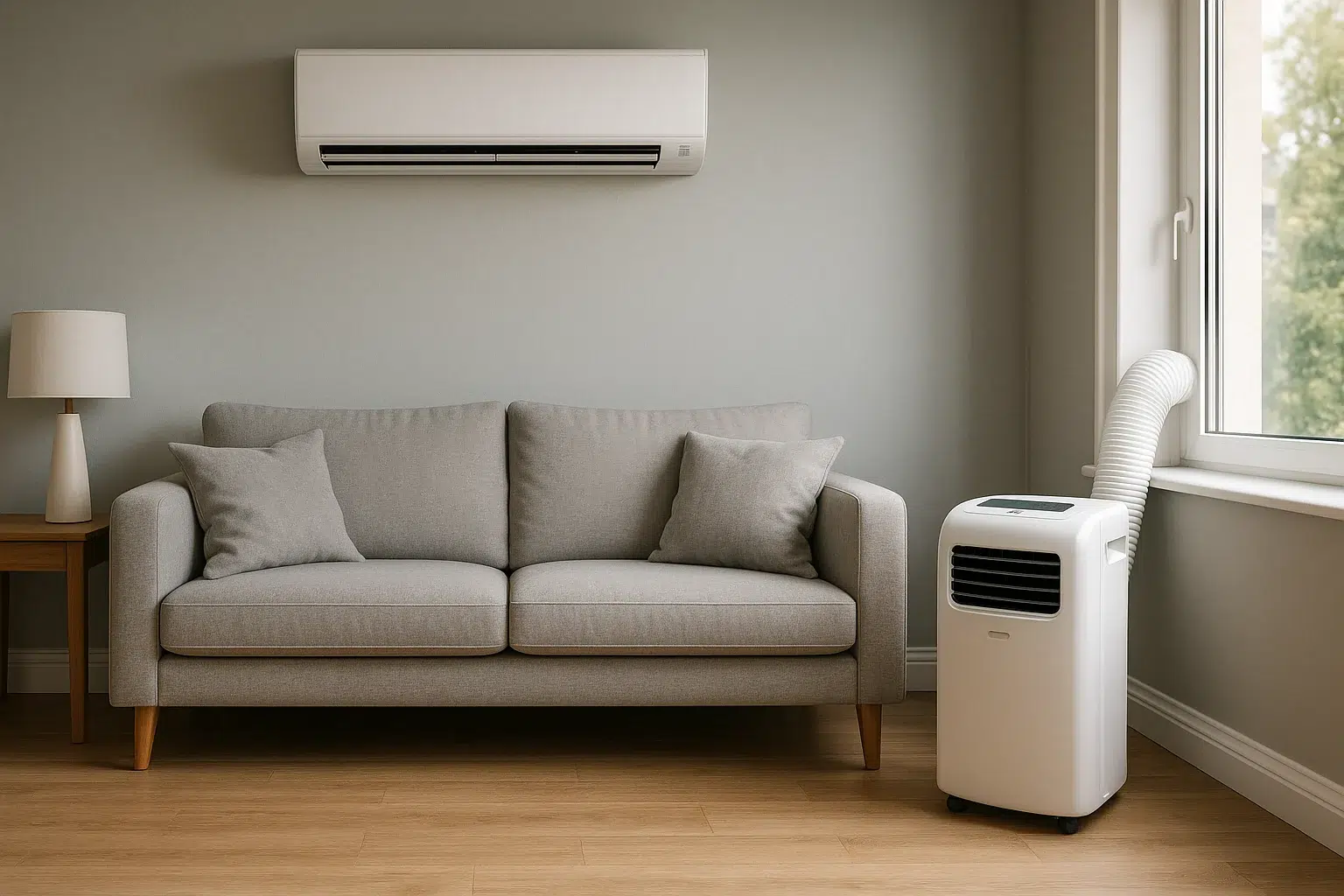
Cooling System Overview: Matching Your Needs
Why BTU Sizing Matters
British Thermal Units (BTU) measure how much heat an air conditioner removes per hour. Choosing the correct BTU for your room is essential: an undersized unit runs constantly without reaching the set temperature, while an oversized one cycles on and off too often, wasting energy and causing humidity issues. Always get a professional load calculation to determine the ideal BTU for your space.
Central vs. Localized Cooling
Central air conditioning cools every room via ductwork, offering consistent temperatures and higher long-term efficiency for large homes. However, installation is complex and costly. Localized options—window units, portable ACs, or ductless mini-splits—cool only the areas you use, which can be more affordable upfront and ideal for renters or smaller spaces. Consider your daily habits: if you spend most time in one or two rooms, localized cooling may be more economical; if you need whole-home comfort, central air is usually better.
Types of Air Conditioning Units
Portable Air Conditioners
Portable ACs are self-contained units on casters, venting hot air out a window. They offer easy installation (no permanent mounting) and can be moved from room to room. Best for small areas or supplemental cooling, they tend to be less efficient than central systems and can be noisier. Look for features like programmable timers, remote control, and energy-saving modes. Regular filter cleaning is vital for performance.
Central Air Systems
Central ACs use an outdoor condenser and indoor evaporator coil, pushing cooled air through ducts. They provide quiet, even cooling and generally have the highest SEER ratings for energy efficiency. Initial cost is high and ductwork may need retrofitting. For best savings, choose a unit with a high SEER (16+). Professional installation and annual maintenance—cleaning filters, checking refrigerant, sealing ducts—maximize lifespan.
Ductless Mini-Split Systems
Ductless mini-splits pair an outdoor compressor with one or more wall-mounted indoor units, each controlled independently. They avoid duct losses and can also provide heat (HSPF rating). Ideal for homes without ducts or for adding climate control to additions, garages, or sunrooms. Installation is simpler than central air but requires a small hole through the wall. High SEER and HSPF ratings ensure year-round efficiency. Clean filters and coils regularly.
Cost-Saving Strategies for AC
The Impact of Regular Maintenance
Neglected ACs use more energy and break down sooner. Simple tasks: replace air filters every 1–3 months, clean outdoor coils, keep condenser area clear of debris. Annual professional tune-ups catch small issues before they become expensive repairs, maintain warranty validity, and can improve efficiency by up to 15%.
Smart Thermostats for Energy Management
Smart thermostats learn your schedule and automatically adjust temperatures. Features like geofencing (detecting when you leave home) and remote control via app help reduce runtime. Many provide energy reports and can integrate with other smart home devices. They typically pay for themselves within a year or two through lower utility bills. Ensure compatibility with your HVAC system before purchase.
Frequently Asked Questions
What are the benefits of portable ACs over traditional units?
Portable units offer flexibility—you can move them to the room you're using. They require no permanent installation, making them perfect for renters or seasonal cooling. They're less efficient than central or ductless systems but cost less upfront and are easy to set up.
What factors affect AC installation cost in the US?
Installation cost varies by unit type (central, ductless, window), size (tonnage), efficiency rating (SEER), complexity of ductwork or electrical upgrades, and local labor rates. Additional features like zoning or smart thermostats also add to the price.
Why might a business need a specialized AC for machinery?
Industrial settings generate high heat and require precise temperature/humidity control. Specialized units have robust filtration, higher cooling capacity, and durability to protect sensitive equipment from overheating or dust damage.
What should be considered when evaluating total HVAC cost?
Consider purchase price, installation fees, energy costs (based on SEER and local electricity rates), maintenance expenses, and expected lifespan. A higher-efficiency system may cost more initially but saves money over time through lower utility bills.