Google Nest Complete Guide: Thermostats, Cameras, Speakers, and WiFi Ecosystem
Explore Google Nest smart home devices: thermostats, cameras, speakers, WiFi. Save energy, boost security, and enjoy seamless integration with Google Assistant.
Introduction to Google Nest
Nest Labs, founded in 2010 by ex-Apple engineers Tony Fadell and Matt Rogers, introduced the first smart thermostat that learned user habits. Google acquired the company for $3.2 billion in 2014, and the brand evolved into a comprehensive smart home ecosystem. Today, Google Nest includes thermostats, security cameras, smart displays, speakers, and mesh WiFi systems designed for American households.
Google Nest Product Lineup
Google Nest Hub (Smart Display)
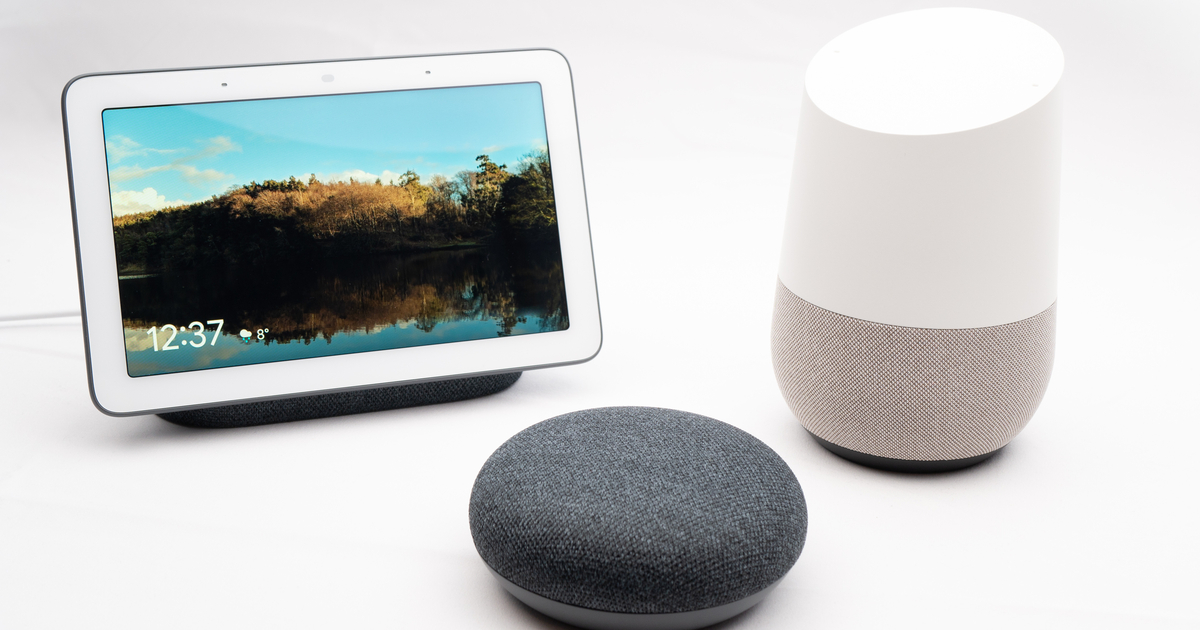
The Nest Hub combines Google Assistant with a touchscreen for voice and visual interaction. Popular as a kitchen companion, it displays recipes step-by-step and streams cooking videos. Families use it as a digital photo frame via Google Photos. It also plays Netflix, Spotify, and YouTube. While competitors like Amazon Echo Show and Facebook Portal exist, Nest Hub integrates seamlessly with Google services.
Google Nest Thermostat
The Nest Thermostat is a smart, energy-saving device. According to the U.S. Department of Energy, it can cut cooling costs by up to 15% and heating bills by 10–12%. It learns user schedules and adjusts automatically. Users control it via the Google Home app. Compared to Ecobee and Honeywell Home, Nest’s design and Google Assistant integration make it a top choice in America.
Google Nest Cam (Security Cameras)
Nest Cam includes indoor and outdoor models with AI motion detection. U.S. homes use them to monitor pets, children, or property. Features include live streaming, cloud storage, and smart alerts. A Nest Aware subscription unlocks extended history and advanced detection. Competitors Ring, Arlo, and Eufy are popular, but Nest Cam integrates well with Google Home and Assistant.
Google Nest Mini (Smart Speaker)
The Nest Mini (formerly Google Home Mini) is an affordable smart speaker. Its compact size fits small spaces yet delivers strong sound. Families place it in bedrooms, kitchens, or living rooms to control lights, set reminders, and play music via Spotify or YouTube Music. It competes with Amazon Echo Dot and Apple HomePod Mini, and is often the entry point to Google’s smart home.
Google Nest Audio
The Nest Audio is a larger smart speaker for music lovers, offering rich, room-filling sound. U.S. households use it as a primary speaker for Spotify, YouTube Music, and Pandora, with multi-room audio support. Compared to Sonos One and Amazon Echo Studio, it’s more affordable while maintaining quality. Built-in Google Assistant combines entertainment and smart home control.
Google Nest WiFi (Mesh System)
Nest WiFi provides seamless internet coverage across large American homes with multiple floors or thick walls. Setup is simple via the Google Home app. A standout feature is parental controls to pause internet access during meals or bedtime. Competitors include Amazon Eero and Netgear Orbi, but Nest WiFi integrates with Google Assistant for voice commands about network status.
Benefits of the Google Nest Ecosystem
Google Nest offers U.S. households convenience through voice control and the Google Home app. The thermostat promotes energy efficiency, cutting utility bills. Security cameras enhance peace of mind. Entertainment devices like the Hub and Audio bring music, video, and photos into daily life. All devices work together under one umbrella, simplifying smart home management.
Challenges in the US Market
Despite its success, Google Nest faces hurdles. Privacy concerns arise from always-on microphones and cloud video storage. Compatibility with non-Google ecosystems, especially Apple, can be limited. Advanced features often require a Nest Aware subscription, adding ongoing cost. Intense competition from Amazon Alexa and other brands continues to pressure market share.