Solar Generators Explained: Components, Benefits, and Buying Guide
Learn about solar generators: components, types, pros & cons, and how to pick the right portable power station for your needs.
What Is a Solar Generator and How Does It Work?
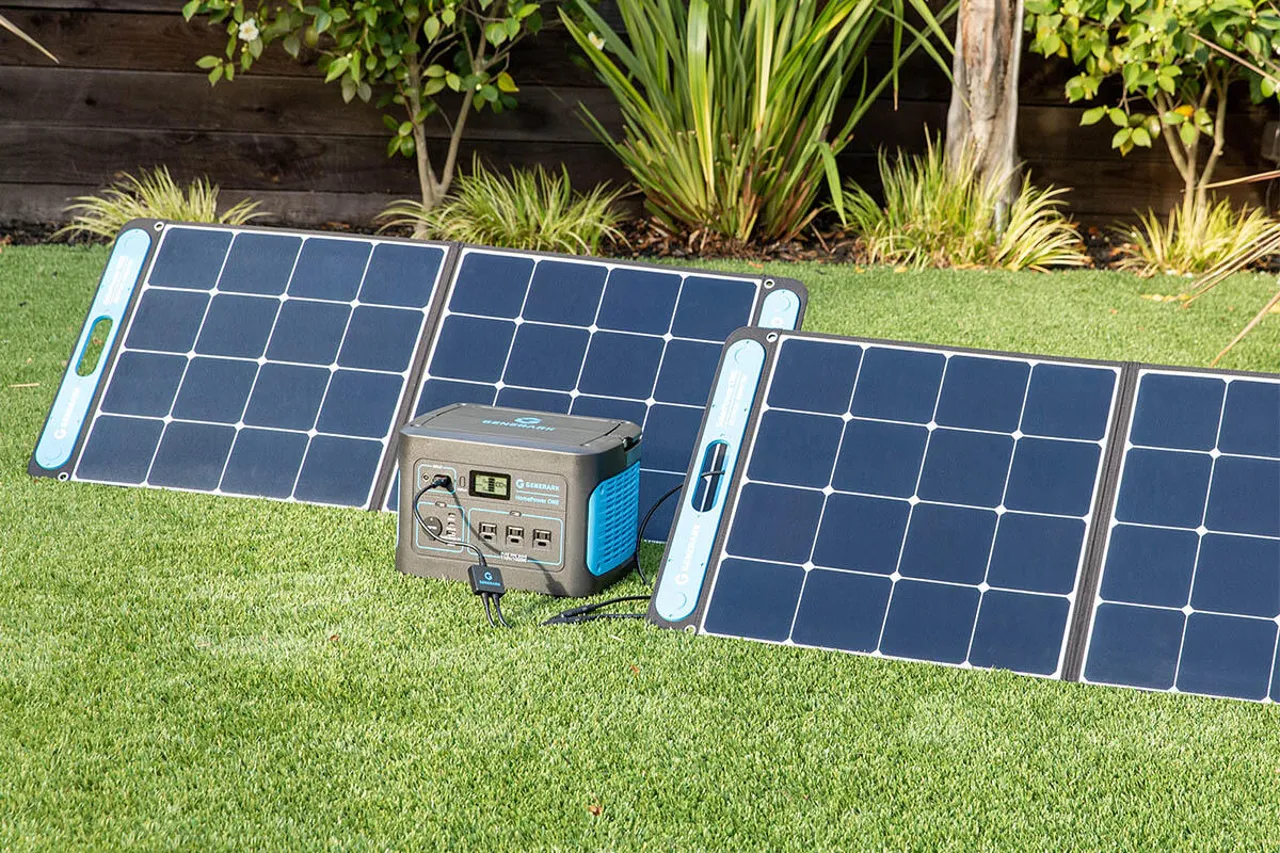
A solar generator is a device that captures sunlight and converts it into electrical energy, providing a clean and renewable power source. It typically consists of three main components: solar panels, a battery storage system, and an inverter. The solar panels collect sunlight and produce direct current (DC) electricity. This DC power is either stored in the battery or immediately converted to alternating current (AC) by the inverter, enabling you to run household appliances and electronics.
Key Components
Solar Panels: Photovoltaic panels capture sunlight and generate electricity. Their efficiency depends on panel quality, size, and number. Larger or multiple panels capture more sunlight, producing more power.
Battery Storage: Stores the electricity generated by the solar panels for use at night or on cloudy days. Battery capacity determines how much energy can be stored and for how long.
Inverter: Converts DC electricity from the battery into AC electricity, which is the standard used by most household devices. Inverters vary in output capacity; selecting the right size is essential for your power needs.
Charge Controller: Regulates the flow of electricity from the panels to the battery, preventing overcharging and prolonging battery life.
The Power Generation Process
When sunlight hits the solar panels, photovoltaic cells generate DC electricity. The charge controller ensures the battery is charged safely. The stored DC power is then inverted to AC when needed. Portable power stations, a subset of solar generators, function as large rechargeable batteries that can be charged via wall outlets, car chargers, or solar panels. Once charged, they supply power to connected devices until the stored energy runs out.
Types of Solar Generators for Every Need
Solar generators come in several designs tailored to different power requirements and lifestyles:
Portable Solar Generators: Compact and lightweight, ideal for camping, RVs, and outdoor events. They typically have smaller capacity but suffice for charging phones, laptops, and small appliances.
Home Backup Systems: Larger systems designed to provide backup power during outages. They can run essential household appliances like refrigerators, lights, and heating systems, ensuring comfort during emergencies.
Off-Grid Systems: Used in remote areas without grid access. These systems can power entire homes or small businesses, offering a sustainable solution for off-grid living.
Pros and Cons of Solar Generators
Solar generators offer clear advantages over fossil-fuel generators, but they also have limitations.
Advantages
Eco-Friendly: No emissions, reducing your carbon footprint and supporting climate action.
Renewable Energy Source: Sunlight is free and abundant, offering a stable power supply unaffected by fuel price fluctuations.
Quiet Operation: Solar generators run silently, making them suitable for residential areas and quiet outdoor activities.
Low Maintenance: Fewer moving parts mean less wear and tear, lower service costs, and longer equipment life.
Disadvantages
Initial Cost: Upfront investment is higher than traditional generators, including solar panels, batteries, and inverters. Long-term savings on fuel and maintenance can offset this.
Weather Dependency: Power generation drops on overcast days or in shaded areas, potentially limiting output when needed most.
Limited Power Output: Not ideal for high-demand applications like large air conditioners. Hybrid systems that combine solar with other sources may be necessary for such loads.
Solar vs Traditional Generators
Understanding the differences helps you choose the right solution. Here is a comparison of key features:
| Feature | Solar Generator | Traditional Generator |
| Fuel Source | Sunlight | Gasoline/Diesel |
| Emissions | None | CO2 and pollutants |
| Noise Level | Silent | Loud |
| Operating Cost | Low (after purchase) | High (fuel costs) |
| Maintenance | Minimal | Regular needed |
Data Source: U.S. Department of Energy
How to Select the Best Solar Generator
When shopping for a solar generator, consider these factors to match your needs:
Power Needs: Total the wattage of all devices you plan to run. Choose a model with sufficient output capacity.
Battery Capacity: A higher capacity battery provides longer runtime between charges, especially during extended cloudy periods.
Portability: If you'll move the unit often, look for lighter, more compact designs that suit travel or limited storage.
Expandability: Some systems allow adding extra solar panels or battery modules, offering flexibility as your energy demands grow.
Popular Brands
Reliable manufacturers offer options for various budgets and applications:
Goal Zero: Known for versatile portable power solutions with a strong sustainability focus.
Jackery: Compact portable power stations ideal for camping and light home backup.
EcoFlow: Advanced systems with high-wattage output and fast charging.
Bluetti: High-capacity generators capable of supporting power-intensive devices.
Powerness: Affordable, efficient generators for household and travel use.
Frequently Asked Questions
Q1: Can I use my portable power station indoors?
Yes. Unlike gas generators, portable power stations produce no harmful fumes, so they are safe for indoor use in homes or events.
Q2: How long does it take to charge a solar generator's batteries?
Under optimal direct sunlight, most solar generator batteries fully charge in 8 to 12 hours. Charging time depends on panel size, efficiency, and weather. Always refer to your model's guidelines.
Q3: Is any maintenance required?
Maintenance is minimal. Periodically check electrical connections for tightness and cleanliness. Use built-in displays or app interfaces to monitor system performance and extend longevity.
Q4: Can I combine solar with conventional power sources?
Yes. Hybrid solar systems integrate solar panels with grid electricity or diesel generators, automatically switching to the most efficient source for consistent, reliable power.