Forecast Planning Software Guide: Best Tools for Corporate and Personal Finance
Compare top forecast planning software for business and personal finance. Features, benefits, and pricing to help you decide.
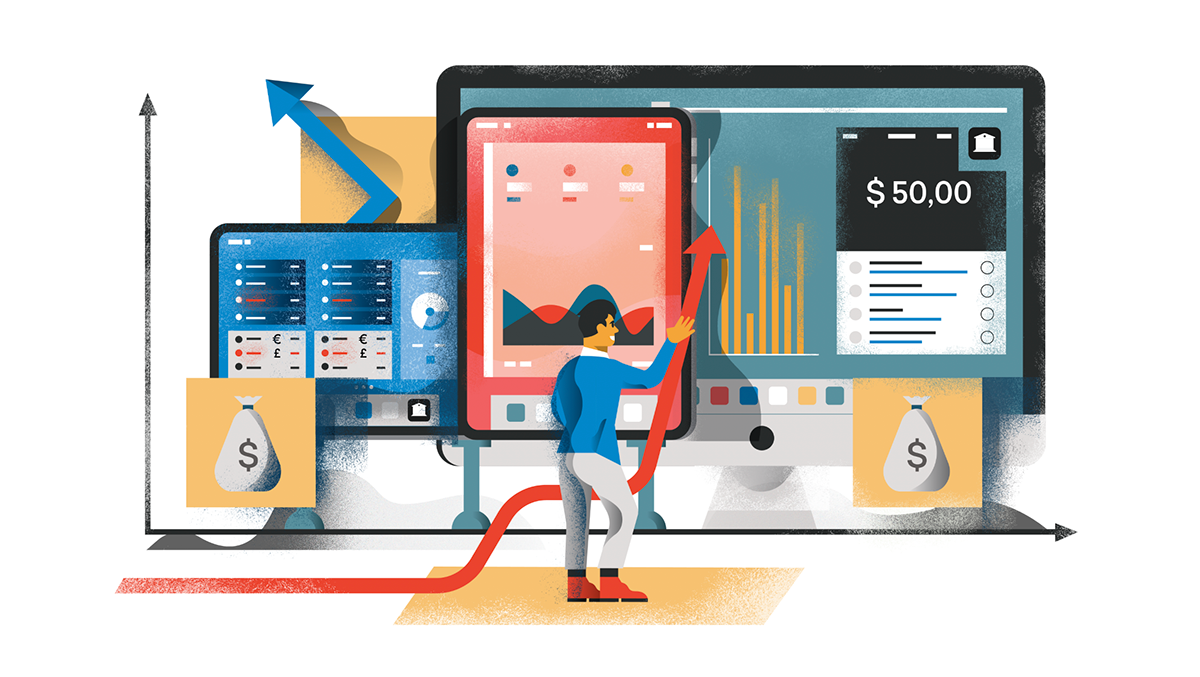
Why Forecast Planning Software Matters for Financial Success
In an era of rapid economic shifts and data overload, forecast planning financial software has become indispensable for both organizations and individuals. These digital tools analyze historical data, current trends, and user-defined inputs to project revenue, expenses, and cash flow. By automating complex calculations and offering scenario simulations, they empower users to make informed decisions, minimize risks, and optimize their financial strategies. Whether you run a multinational corporation or manage a household budget, the right software can transform how you plan for the future.
Core Features That Define Great Forecast Planning Tools
Modern forecast planning software shares a set of powerful capabilities. Predictive analytics uses machine learning to refine projections over time, while scenario planning lets you model best‑case, worst‑case, and midpoint outcomes. Built‑in budgeting and reporting modules automate the creation of detailed financial statements, and seamless integration with accounting platforms (such as ERP systems or bank feeds) ensures that data flows without manual effort. A user‑friendly interface makes these sophisticated tools accessible to non‑experts, whether in a corporate finance department or at a home office.
Benefits Across Business and Personal Finance
For Businesses
Accurate forecasts drive strategic decision‑making. With scenario planning, companies can stress‑test their finances against market volatility, identify cost‑saving opportunities, and allocate resources more efficiently. Robust reporting also helps meet regulatory compliance requirements, simplifying audits and stakeholder communications. Tools like Adaptive Insights and Anaplan offer the advanced analytics needed for enterprise‑scale planning.
For Individuals
On the personal side, forecasting software simplifies budgeting, tracks spending patterns, and suggests debt‑repayment strategies. Goal‑tracking features align daily expenses with long‑term objectives such as buying a home, funding education, or building retirement savings. Free apps like Mint make basic planning effortless, while paid options like YNAB and Quicken provide deeper insights for those ready to take full control of their finances.
Comparing Top Forecast Planning Software
Corporate Solutions
Adaptive Insights excels with advanced analytics, powerful scenario modeling, and seamless ERP integration. Its price point, however, may be high for small businesses. Anaplan offers customizable modules and real‑time updates, ideal for global organizations but comes with a steep learning curve and significant implementation costs. Oracle Cloud EPM delivers AI‑driven insights and robust reporting, though it works best within an existing Oracle ecosystem. All three provide the scalability needed for complex corporate environments.
Personal Finance Apps
Mint is the go‑to free tool for budget tracking and expense categorization. Its forecasting features are basic, but the ease of use and bank integration make it a strong starting point. YNAB (You Need A Budget) emphasizes proactive budgeting, helping users assign every dollar a purpose. It’s excellent for debt management, though it requires some manual data entry. Quicken offers a full suite including investment tracking and tax planning, but its desktop‑centric design lacks the cloud‑first convenience of newer apps.
Free vs. Paid: Which Is Right for You?
Free software like Mint is perfect for individuals or small teams with straightforward budgeting needs. While these tools lack advanced features like scenario modeling or ERP integration, they are highly accessible and risk‑free. Paid options such as Adaptive Insights or YNAB unlock predictive analytics, detailed reporting, and dedicated support. For businesses handling complex financial processes, the investment in a paid tool often pays for itself through improved accuracy and efficiency.
How to Choose the Best Forecast Planning Software
For Businesses
Start by evaluating the complexity of your financial operations. Enterprises with multidivisional planning needs should look at Anaplan or Oracle Cloud EPM. Assess integration requirements—ensure the software connects with your existing ERP, accounting, and CRM systems. Finally, consider scalability: choose a platform that can grow as your business expands.
For Individuals
Begin with your budget. If you only need to track spending and set basic budgets, a free app like Mint will suffice. For deeper control over debt and savings, YNAB or Quicken offer more structure. Ease of use is critical—test the interface with a trial version before committing. Align your choice with specific goals: investment tracking, retirement planning, or simply building a monthly budget.
Frequently Asked Questions
Can free forecast planning software meet my needs?
Yes, for basic budgeting and expense tracking. Free tools like Mint are excellent for personal use. But if you require scenario planning, predictive analytics, or integration with corporate systems, a paid solution is necessary.
What differentiates corporate from personal financial software?
Corporate software focuses on multi‑department planning, ERP integration, and compliance reporting. Personal software emphasizes user‑friendly budgeting, debt management, and goal tracking.
How do I integrate forecast planning software with existing tools?
Most platforms offer pre‑built connectors for popular systems like QuickBooks, Oracle ERP, or Google Sheets. Check compatibility before purchasing, and consider apps that provide APIs for custom integrations.
What are some examples of forecast planning financial software?
Top corporate examples include Adaptive Insights, Anaplan, and Oracle Cloud EPM. For personal finance, Mint, YNAB, and Quicken are widely used. Each caters to different user segments and complexity levels.
Is forecast planning software difficult to use?
The learning curve varies. Consumer apps like Mint and YNAB are designed for immediate use, while enterprise platforms like Anaplan may require formal training. Most vendors offer onboarding resources and customer support.
Forecast planning financial software is a powerful ally in navigating today’s financial landscape. By automating complex tasks, improving accuracy, and providing actionable insights, these tools help both businesses and individuals achieve greater financial stability and long‑term success.