Dental Implant Innovations: Digital Precision, Cost-Saving Strategies, and Global Access
Discover how digital tools, AI, cost-saving plans, and global collaboration are making dental implants more precise, affordable, and patient-friendly.
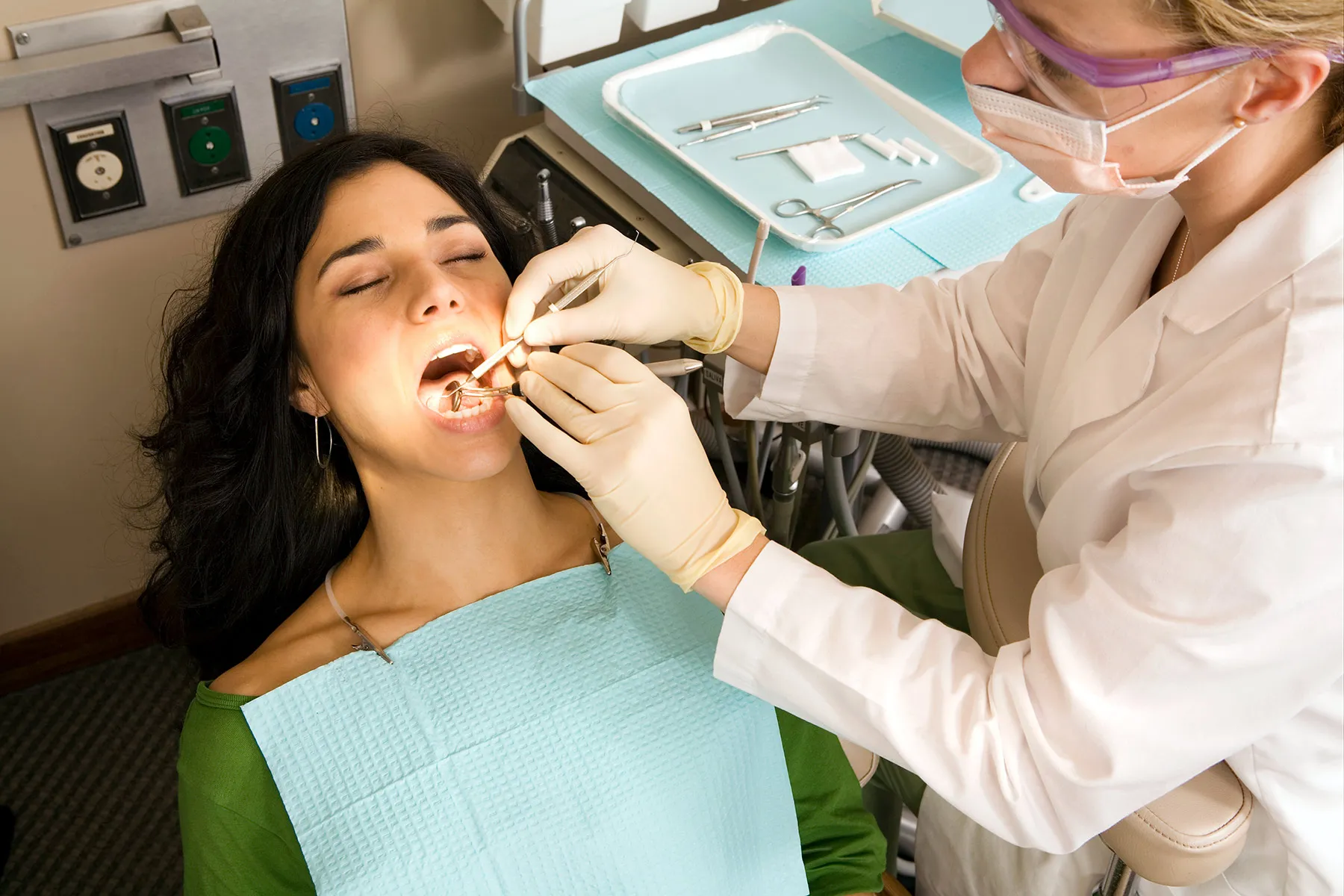
Financial Strategies for Dental Implants
Dental implants are a highly effective solution for tooth loss, but cost remains a major concern. Recent developments in payment options and insurance coverage are making implants more accessible.
Understanding Cost Factors
Several factors influence the final cost: material choice (titanium vs. zirconia), procedural complexity, geographic location, and additional technologies like guided surgery or bone grafting. Understanding these components helps patients navigate expenses and choose affordable pathways without sacrificing quality.
Leveraging Insurance and Membership Plans
Insurance policies vary, but many offer partial coverage for implants. Patients should review their plan’s out-of-pocket maximums and co-pays. Alternatively, dental clinics now offer membership plans providing discounts on implant procedures and routine care—an increasingly popular option for those with limited insurance.
Technological Breakthroughs in Implant Dentistry
Digital Impressions and 3D Printing
Digital scanning replaces messy traditional molds, capturing ultra-precise oral structures. 3D printing then creates custom implant components tailored to each patient, improving fit and comfort while slashing production time from weeks to days.
AI and Advanced Imaging
Cone Beam Computed Tomography (CBCT) combined with AI algorithms provides detailed 3D views of the jaw, highlighting bone density, nerve paths, and potential complications. AI-driven predictive models also help forecast long-term outcomes, leading to smarter treatment planning and higher success rates.
Patient-Focused Innovations: Comfort and Faster Recovery
Personalized Treatment Plans
Precision dentistry uses patient data including genetics, lifestyle, and medical history to craft individualized implant plans. This tailored approach minimizes complications and enhances long-term satisfaction.
Minimally Invasive Techniques
Smaller incisions, guided surgery, and 3D imaging reduce tissue trauma. Patients experience less pain, lower infection risk, and significantly faster recovery. These techniques are becoming the standard for modern implant procedures.
Global Access and Dental Tourism
Benefits and Considerations
Countries in Latin America and Eastern Europe offer high-quality implants at 50-70% less than U.S. prices. However, patients must research dentist credentials, facility accreditation, and post-treatment follow-up options carefully to ensure safe outcomes.
Regional Variations
Price disparities across nations drive many to seek care abroad. Travel costs and aftercare logistics should be factored into the decision. With proper planning, dental tourism can be a viable way to access affordable, quality implant treatment.
Provider Networks and International Collaboration
Efficient Care Pathways
Tiered provider networks connect patients with specialized dentists efficiently, reducing wait times and improving outcomes. These networks also facilitate knowledge sharing across borders, accelerating innovation.
Global Partnerships
International collaboration among dental professionals standardizes procedures and quality assurance. By pooling resources and research, the global dental community elevates care standards and makes advanced implant treatments accessible to more people worldwide.
Frequently Asked Questions
1. What are the benefits of dental implants over dentures?
Implants offer a permanent, stable solution that preserves jawbone and facial structure. They provide better chewing function and speech, with a natural look and easy maintenance.
2. What does the implant procedure involve?
The process includes evaluation, placement of a titanium post, a healing period for osseointegration, then attaching an abutment and custom crown. It typically takes several months but yields durable results.
3. How do implant costs compare to alternatives?
While upfront costs are higher, implants last many years (often a lifetime) and help prevent future dental issues. Long-term, they can be more cost-effective than bridges or dentures that require replacement.