Smart Video Doorbells for Senior Safety: A Complete Guide to Independence and Security
Smart doorbells boost senior safety with remote monitoring and motion alerts. Learn how to choose the best model for independence and security.
Introduction
Smart video doorbells have become a cornerstone of modern home security, and their benefits are especially powerful for older adults. By allowing remote monitoring, two‑way communication, and motion‑sensitive alerts, these devices help seniors stay safe at home while maintaining independence. This guide explores the key advantages, essential features, top recommendations, and integration possibilities—all backed by data from Consumer Reports (2024).
Why Seniors Benefit from Smart Doorbells
For elderly individuals, opening the door to an unknown visitor can pose physical and safety risks. Smart doorbells eliminate the need to approach the door by providing a clear video feed and audio connection from anywhere. This reduces the chance of falls, confrontations, and scams. Motion detection sends instant alerts to smartphones or tablets, so caregivers can also monitor activity even if the doorbell isn’t rung. Key safety gains include remote visual verification, real‑time two‑way talk, and recorded footage that can serve as evidence.
1. Enhanced Security and Monitoring
High‑definition video (at least 1080p) with a wide field of view (160° or more) ensures seniors can see the full doorstep area. Night vision maintains clarity after dark. These features deter potential intruders and create a visual record that helps identify suspicious activity.
2. Two‑Way Communication and Caregiver Assistance
With built‑in speakers and microphones, seniors can converse with visitors without opening the door. Family members or caregivers can also use the doorbell’s live feed to check in and offer help when needed. Some models support pre‑recorded messages or voice notes for added convenience.
3. Motion Detection and Smart Alerts
Advanced sensors detect movement near the entrance and send push notifications. Customizable motion zones help filter out irrelevant alerts (e.g., passing cars). Person‑detection technology distinguishes people from animals, reducing false alarms. This feature is critical for spotting package thieves or unexpected visitors.
Essential Features to Look For
When choosing a wireless doorbell camera for a senior, prioritize these capabilities to ensure ease of use and reliable protection.
Video Quality and Resolution
Look for 1080p HD or higher resolution. A wide field of view (at least 160°) captures the entire porch area. Night vision or color night vision ensures visibility in low light. Some premium models offer head‑to‑toe video (e.g., Ring Video Doorbell Pro 2).
Two‑Way Audio and Interaction
Clear, bidirectional audio is essential for effective communication. Adjustable volume and sensitivity settings help seniors with hearing difficulties. Voice control compatibility (Amazon Alexa, Google Assistant) simplifies hands‑free operation.
Wireless Connectivity and Power Options
Reliable Wi‑Fi (2.4 GHz and 5 GHz support) is a must. Battery‑powered models offer easy installation but require periodic recharging; wired models provide continuous power. Solar‑powered alternatives are also available. Professional installation services can assist seniors who prefer not to handle wiring.
Cloud Storage and Subscription Plans
Most doorbell brands offer cloud storage for recorded clips. Evaluate free vs. paid plans based on storage capacity and retention period. Local storage (e.g., microSD card) provides an extra layer of privacy. Always review privacy policies to protect personal data.
Smart Home Integration
Seamless integration with platforms like Alexa, Google Assistant, or Apple HomeKit allows seniors to control the doorbell via voice or automate responses (e.g., turning on lights when motion is detected). Compatibility with smart locks and lights creates a comprehensive security ecosystem.
Integrating Video Doorbells with Home Security Systems
Combining a smart doorbell with an existing security system turns a single entry point into a unified network. Homeowners can manage cameras, alarms, and locks from one app. Integration enables automated actions: when motion is detected, the doorbell can trigger lights or sound an alarm. Before purchasing, verify compatibility (e.g., Z‑Wave, Zigbee protocols). Many systems work directly with popular brands like Ring or Arlo; others require professional setup. Prioritize strong passwords and two‑factor authentication to safeguard the integrated system.
Top Ring Doorbell Models for Seniors
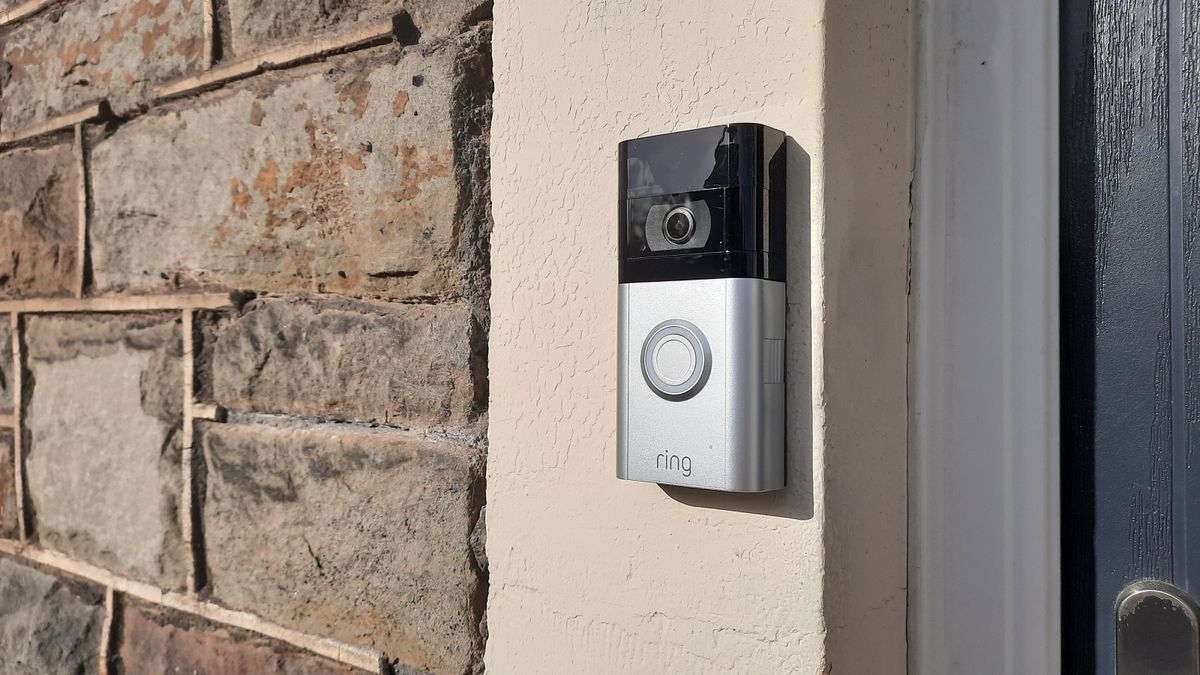
Ring offers several models tailored to different needs. The following table summarizes the best options for older adults based on key features and ease of use.
| Ring Doorbell Model | Key Features |
|---|---|
| Ring Video Doorbell 4 | Improved battery life, color pre‑roll, 1080p HD |
| Ring Video Doorbell Pro 2 | 3D motion detection, head‑to‑toe video, 1536p HD |
| Ring Peephole Cam | Replaces existing peephole, ideal for apartments, 1080p |
Data source: Ring product specifications, 2024.
Recommendations for Caregivers
Caregivers can set up shared access to the doorbell’s app, receive alerts, and view footage remotely. This extra layer of monitoring provides peace of mind without invading the senior’s privacy. Pre‑recorded messages and voice notes allow simple check‑ins.
Conclusion
Smart video doorbells are an accessible, effective tool for enhancing senior safety and independence. By focusing on key features—HD video, reliable motion detection, easy‑to‑use apps, and smart home integration—families can select a model that fits their loved one’s lifestyle. Whether choosing a Ring doorbell or another brand, the investment pays off in reduced risk of falls, scams, and loneliness. With proper setup and caregiver collaboration, these devices create a safer, more connected home environment.