Lip Fillers Explained: Your Complete Guide to Fuller, Natural-Looking Lips
Learn everything about lip fillers: types, procedure, recovery, and risks. Find out how hyaluronic acid fillers like Juvéderm deliver natural-looking results.
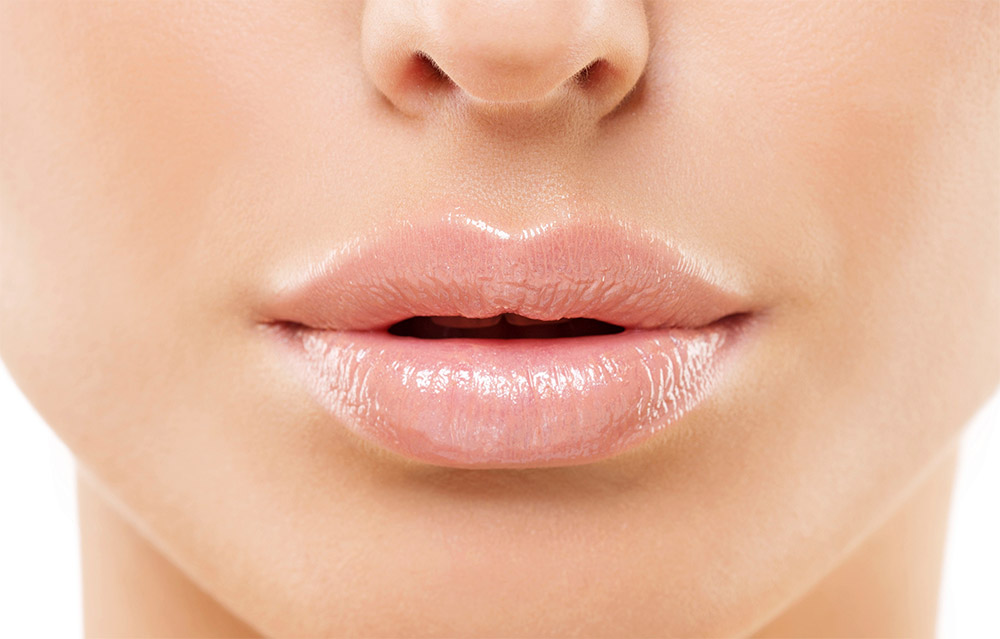
Why Lip Fillers Are So Popular Today
Lip augmentation through injectable fillers has become one of the most sought-after cosmetic treatments worldwide. Patients appreciate the immediate, customizable results without the need for surgery. The trend is driven by a desire for balanced facial features and the availability of advanced hyaluronic acid formulas that mimic natural lip movement.
Types of Lip Fillers: How to Choose the Right One
Hyaluronic Acid (HA) Fillers
The majority of lip fillers use hyaluronic acid, a substance naturally found in the body. Brands like Juvéderm and RHA are leaders in this category. RHA fillers are designed to adapt to lip movement, providing a more natural feel. Juvéderm Ultra 3 and Ultra 4 are common choices for moderate to deep lip enhancement, while Juvéderm Voluma offers longer-lasting volume (up to 18 months).
Key Differences at a Glance
Each filler has a unique concentration of HA and lidocaine (an anesthetic). Juvéderm Ultra 4 (24 mg/mL HA, 9–12 months duration, 1–3 days downtime) is suited for deep folds and volume. Juvéderm Ultra 3 (24 mg/mL HA, 9–12 months, 1–2 days downtime) works well for moderate lines and lip enhancement. Juvéderm Voluma (20 mg/mL HA, up to 18 months, 2–4 days downtime) delivers significant volume. Always consult a licensed professional to match the filler to your goals.
What Happens During a Lip Filler Appointment
Pre-Treatment Preparation
To reduce bruising and swelling, avoid blood thinners (aspirin, ibuprofen, vitamin E, fish oil, ginkgo biloba) and alcohol for one week before. If you have a history of cold sores, inform your provider two days ahead so antiviral medication can be started. On the day of the treatment, arrive with a clean, makeup-free face, eat a light meal, and stay hydrated.
The Procedure Itself
The injection session is quick and minimally invasive. A topical numbing cream or the lidocaine already in the filler ensures comfort. The injector carefully deposits small amounts of HA filler into specific areas of the lips to enhance volume and symmetry. Because the filler is flexible, natural lip movement is maintained.
Recovery and Aftercare: What to Expect
Immediate Aftermath (Days 0–1)
Swelling, redness, and mild tenderness are normal. Your lips may appear larger than expected due to peak swelling. Avoid touching them and resist judging the final shape for at least two weeks. Cold compresses can reduce swelling.
First Week (Days 2–7)
Swelling and any bruising gradually subside. Continue using cold packs intermittently. Avoid strenuous exercise, alcohol, and excessive talking. If lumps appear, gentle massage may be recommended by your practitioner.
Settling In (Up to 2 Weeks)
The filler settles and swelling completely resolves, revealing the final result. Avoid blood thinners for the first 24–48 hours post-treatment.
Common Questions About Lip Fillers
How long do results last? Most HA lip fillers last 6 to 12 months. A maintenance plan with periodic touch‑ups helps avoid over‑ or under‑filling.
What are the risks? Temporary side effects like swelling and bruising are common. Serious complications (infection, vascular occlusion) are rare when performed by a licensed professional. Always choose an experienced injector and review aftercare instructions.
Can I combine fillers with other treatments? Yes, many patients combine lip fillers with neuromodulators (e.g., Botox) or skin treatments for a comprehensive facial rejuvenation plan.