Smart Home Guide: Top Devices, Systems & Automation for Modern Living
Discover top smart home devices from thermostats to security, compare ecosystems like Google Home and Alexa, and learn about costs and future trends.
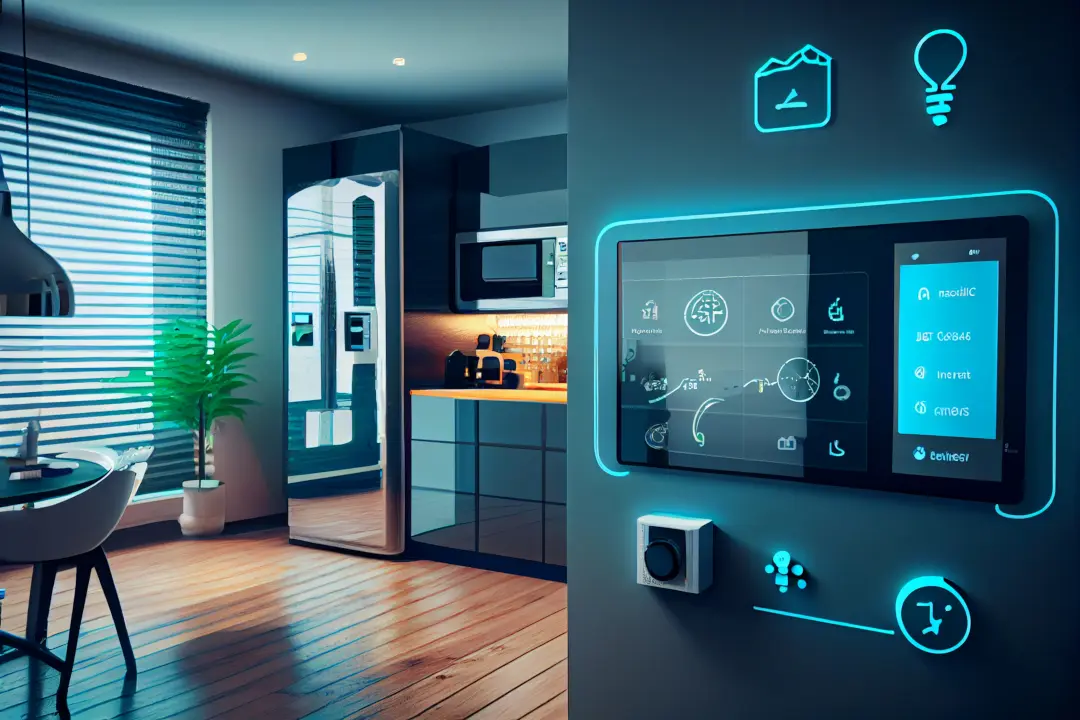
Smart Home Technology Today
Smart home technology has transitioned from futuristic concept to everyday reality in millions of U.S. households. With more than 60% of homes owning at least one connected device—led by smart TVs and speakers—the convenience, energy efficiency, and security benefits are now accessible to a broad audience. This guide explores the key devices, systems, and trends shaping modern smart homes.
Benefits and Limitations
Why Go Smart?
Smart homes deliver tangible advantages: voice and app control simplify daily routines; smart thermostats and lighting reduce utility bills; connected security systems enhance safety; and integrated entertainment systems elevate leisure time. The Department of Energy estimates programmable thermostats can save 10–15% annually on heating and cooling costs.
Considerations Before Buying
Potential drawbacks include privacy concerns from data collection, compatibility issues between ecosystems, and upfront costs that may deter some buyers. However, falling prices and open standards like Matter are addressing these challenges.
Core Smart Home Devices
Smart Thermostats: Nest, Ecobee, and More
Smart thermostats learn user preferences and allow remote temperature control. Top models include the Nest Thermostat (Google Home integration, machine learning), Ecobee Smart Thermostat (room sensors, Alexa built-in), and Honeywell Home (affordable, reliable HVAC compatibility). All emphasize energy savings and ease of use.
Smart TVs and Entertainment
Smart TVs from Samsung, TCL, and LG dominate living rooms, offering integrated streaming and voice assistants. For audio, Sonos provides superior multi-room sound, while Amazon Echo Studio delivers affordable Alexa-compatible sound. A typical Smart TV Sale attracts buyers seeking both functionality and value.
Samsung Smart TV: Industry leader, sharp displays, Tizen OS
TCL Roku TV: Budget-friendly, wide app ecosystem
LG OLED Smart TV: Premium image quality
Sonos Smart Home Sounds: Superior fidelity, multi-room syncing
Amazon Echo Studio: Affordable, Alexa-compatible
Smart Security Systems
Safety drives adoption of cameras, alarms, and monitoring. Vivint offers professional installation and AI detection at higher monthly fees ($29.99–$59.99/month plus equipment). ADT provides trusted monitoring. DIY alternatives like Ring Alarm and SimpliSafe start around $10/month and offer flexible, self-install kits.
Vivint: Professional install, advanced features, higher cost
ADT: Trusted brand, strong monitoring
Ring Alarm: Affordable DIY, subscription optional
SimpliSafe: Easy setup, customizable packages
Smart Lighting
Philips Hue and LIFX lead the market, offering color customization, scheduling, and remote control via Google Home or Alexa. Smart lighting enhances both ambiance and energy efficiency.
Smart Appliances
Wi-Fi–enabled refrigerators, ovens, and washing machines are gaining traction. While adoption lags behind thermostats and TVs, these appliances bring convenience to everyday chores.
Choosing the Best Home Automation System
The best ecosystem depends on your devices and preferences:
Google Home: Strong integration with Nest devices, best for Android users
Amazon Alexa: Broadest device compatibility, extensive skill set
Apple HomeKit: Prioritizes privacy, seamless for iOS users
Comparison Table:
| Feature | Google Home | Amazon Alexa | Apple HomeKit |
| Device Ecosystem | Extensive | Largest | Moderate |
| Privacy Controls | Good | Moderate | Strongest |
| Ease of Use | High | High | High |
| Cost | Moderate | Low to High | Higher |
Pricing and Competition
Smart home costs span a wide range, making them increasingly accessible:
Vivint Pricing: $29.99–$59.99/month + equipment fees
DIY Systems: Ring and SimpliSafe from $10/month or free limited version
Smart TVs: $250 (budget) to $2,000+ (premium OLED)
Smart Thermostat: $100–$250 one-time cost
This affordability is driving adoption among middle-income households.
Future of Smart Homes
The industry is moving toward interoperability. The Matter protocol, launched in 2022, unifies devices across platforms. AI will further personalize automation, and falling prices are expected to push U.S. smart home penetration beyond 80% by 2030. The smart home is no longer a novelty—it's becoming a standard.