Spot AC Trouble Early: Why Local Technicians Fix It Faster and Keep It Fixed
Learn to decode AC noises, weak airflow, and warm air. Discover why local crews fix faster and how to make repairs last longer.
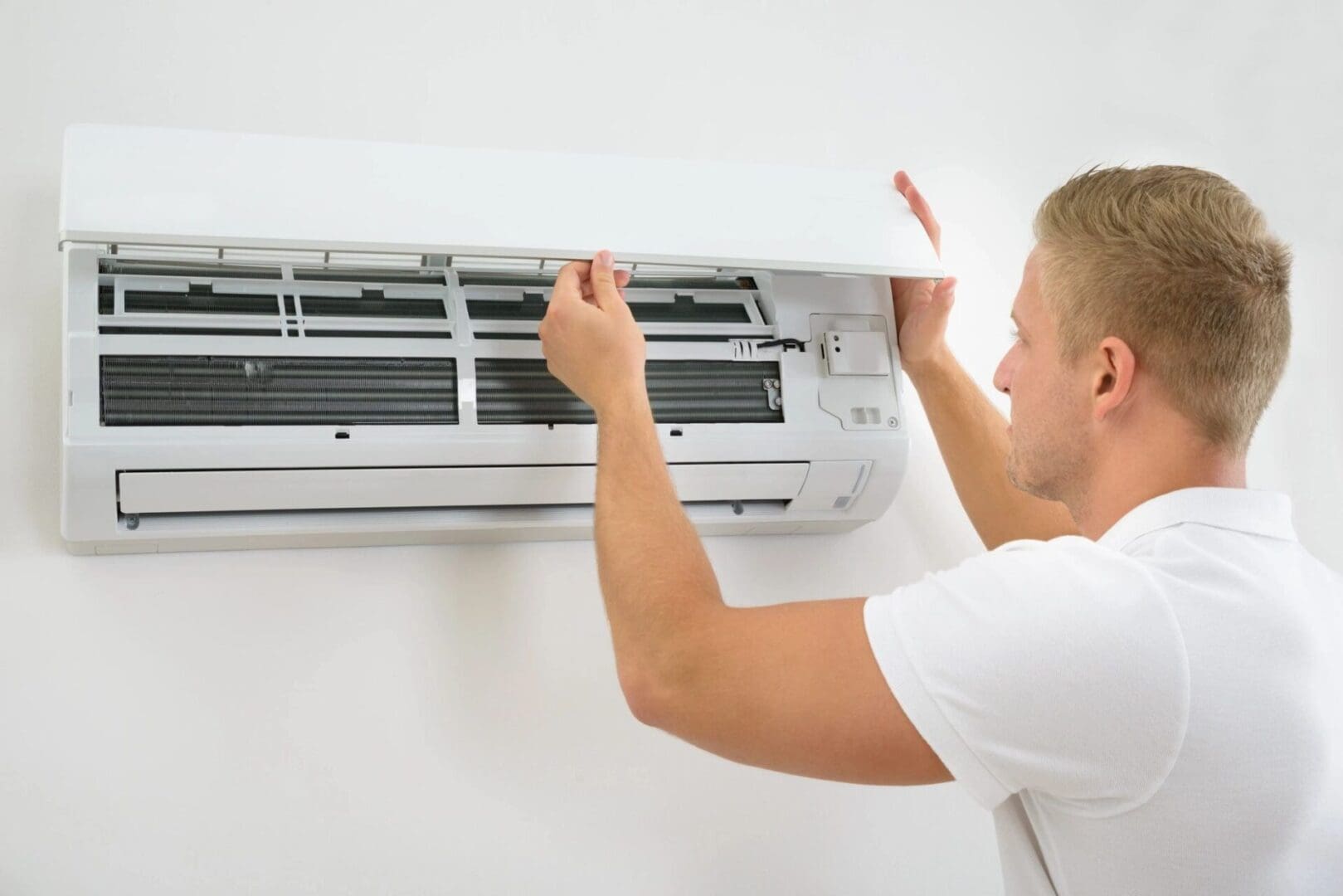
Early Warning Signs Your AC Is About to Fail
Noises That Mean Trouble
Soft rustling or rattling often signals loose panels or fan blades. Grinding, whining, or banging indicates compressor wear, bad bearings, or a slipping belt. Vibrating outdoor units need prompt inspection to avoid major damage.
Weak Airflow When You Need It Most
Reduced airflow usually points to clogged filters, dirty blower wheels, kinked ducts, or refrigerant issues. Running the fan harder to compensate strains the motor. Call a pro for cleaning and airflow checks before the compressor fails.
Warm or Inconsistent Air
Cooing that fades to lukewarm may signal refrigerant leaks, an overheating compressor, or faulty sensors. Blocked outdoor units or stuck dampers make it worse. Early tech intervention can prevent a full compressor replacement.
Why a Local Crew Gets You Cooler Faster
Shorter Response Times
Nearby technicians spend less time driving and more time fixing. They know traffic patterns and can slot urgent calls into existing routes. During heat waves, that local advantage can turn a multi-day wait into same-day service.
Parts on the Truck
Local pros stock their vans with common components for systems in their area—capacitors, contactors, fan motors, refrigerant. Many repairs finish in one trip without waiting for shipped parts.
| Situation | With a Local Crew | With a Distant Provider |
|---|---|---|
| Summer breakdown | Often same-day or next-day | Likely multi-day wait |
| Common replacement part | Usually in van or shop stock | Order and return visit needed |
| Follow-up adjustment | Quick second visit possible | Hard to justify long drive |
Local Know-How
Technicians who work in your area understand local climate, building styles, and failure patterns. They know which attic layouts overheat equipment and which ducts leave rooms roasting. This experience speeds up diagnosis and repairs.
Getting More Than a Quick Patch
Spotting Band-Aid Repairs
A refrigerant top-off without leak testing or a part swap without root cause analysis are patches that fail again. A thorough fix includes questions about symptoms, a full inspection, and multiple options for repair or replacement.
When to Upgrade Instead of Repair
Frequent service calls, rising energy bills, and stubborn discomfort suggest it's time to plan a replacement. Local pros can help you decide based on system age, refrigerant type, and repair history—so you avoid a rushed decision during a failure.
Smarter Cooling Strategies
Simple zoning tweaks, duct fixes, or thermostat adjustments often improve comfort more than over-cooling. A good tech will suggest habits like using fans, shading windows, and adjusting vents to ease equipment strain and save money.
Simple Habits That Make Repairs Last Longer
Keep Airflow Free
Dirty filters and blocked vents force the fan to work harder. Set reminders to check filters monthly and keep outdoor units clear. Ask your tech to show you how air moves in your home—sometimes small changes fix big problems.
Use the Thermostat Wisely
Cranking the thermostat down doesn't cool faster—it just runs the system longer. Set a sensible target and let it run steadily. Smart controls can adjust when you're away and pre-cool before you return.
Schedule Regular Tune-Ups
Annual maintenance catches small issues before they become emergencies. Many local companies offer plans that bundle checks, cleaning, and priority service. The same team seeing your equipment year after year builds a history that improves diagnosis and reliability.
Q&A
How do I choose a local AC service company? Check licensing, insurance, reviews, written estimates, and warranties. Prioritize companies that do full diagnostics instead of pushing replacements.
What should I expect from same-day AC repair? A service window, technician notification, basic pricing, and a diagnostic visit first. Repairs happen if parts are on hand; otherwise a follow-up is scheduled.
What qualifications matter for an HVAC technician? EPA 608 certification, state/local licenses, manufacturer training, and ongoing education. Membership in professional associations is a plus.
Are local companies better than national chains? They often respond faster, know regional issues, and offer personalized service. Compare reviews and response times to decide.
How can I avoid emergency AC repairs? Schedule annual maintenance, replace filters on time, keep outdoor units clear, and fix small issues early before they escalate.
By recognizing early signs, choosing a nearby technician, and building good habits, you can keep your home comfortable all summer without panic or costly breakdowns.