Gutter Guards Guide: Types, DIY vs Pro Installation, and Clog Prevention
Explore types of gutter guards, DIY vs professional installation, costs, and how protection prevents clogs and home damage.
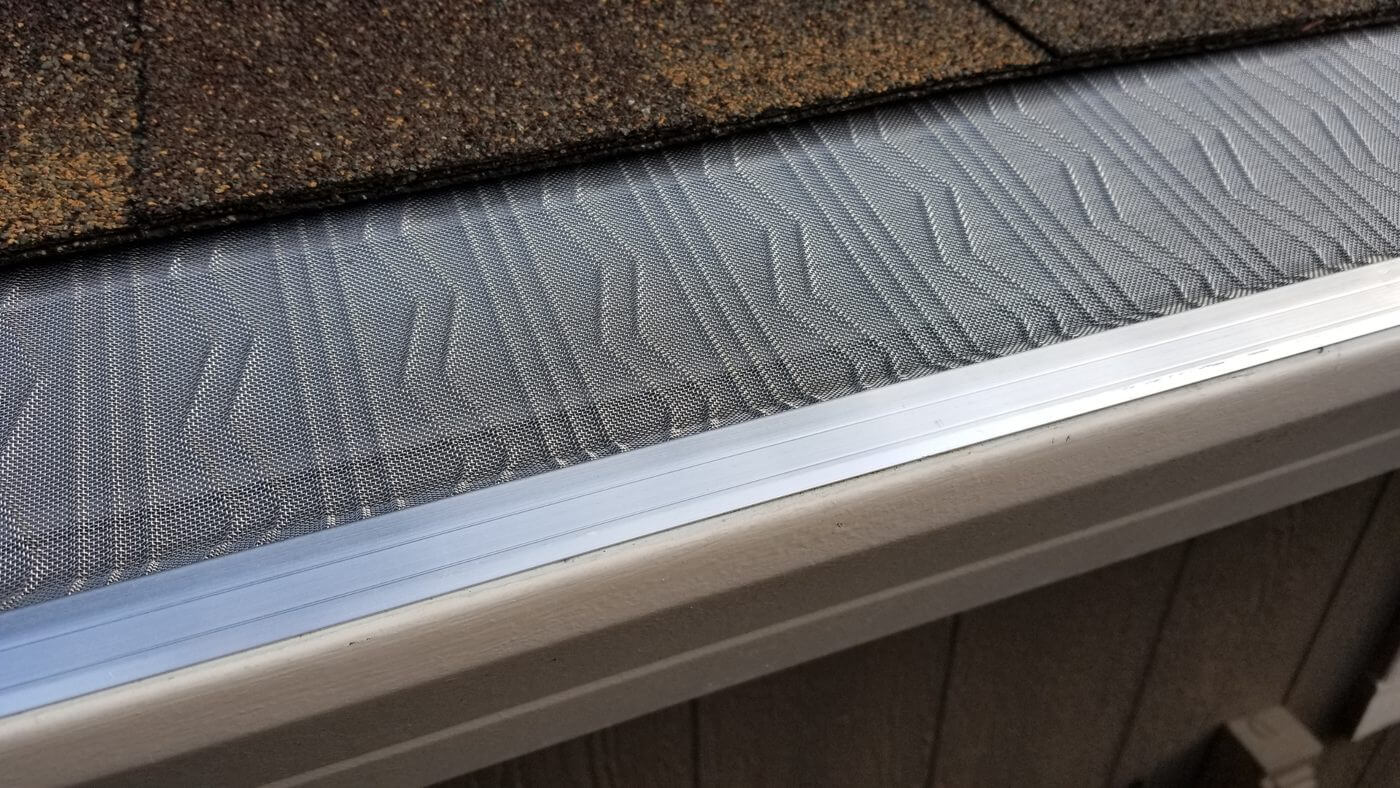
Why Gutter Guards Are Essential for Home Protection
A well-maintained gutter system is critical for directing rainwater away from your home's foundation, roof, and siding. Without protection, gutters quickly fill with leaves, dirt, and debris, leading to clogs that cause water overflow, structural damage, and pest infestations. Gutter guards serve as a barrier, reducing cleaning frequency and preventing costly repairs.
Primary Types of Gutter Guards
Several guard designs cater to different needs and environments. Mesh screens use fine or coarse metal or plastic mesh to block debris while allowing water through. Foam inserts sit inside the gutter, trapping debris on top and letting water seep in. Surface-tension (reverse-curve) systems use curved covers that guide water into the gutter via adhesion while shedding leaves. Micromesh, often stainless steel, offers the finest filtration and is highly effective against small particles like pine needles. Each type has trade-offs in cost, maintenance, and longevity.
DIY Installation vs. Hiring a Professional
Choosing between self-installation and professional service involves weighing upfront savings against long-term reliability. DIY projects are more affordable, especially with simple foam or snap-on mesh systems, and give homeowners flexibility. However, improper fitting can lead to gaps, reduced performance, and voided warranties. Professional installers ensure precise alignment, use proper tools, and often provide workmanship guarantees. Many manufacturers require certified installation for warranty coverage, making professional help a safer bet for complex systems or steep roofs.
Cost Considerations and Brand Features
Gutter guard prices vary by material, design, and brand. Basic foam inserts can cost a few dollars per foot, while premium micromesh systems may exceed $20 per foot installed. Features like rust resistance, UV stability, and debris-shedding capability influence value. Homeowners should evaluate local weather, tree coverage, and roof pitch when selecting a product. Investing in higher-end guards can reduce long-term maintenance and extend gutter life.
The Dangers of Clogged Gutters
Clogged gutters don't just stop water flow—they create serious risks. Leaves, pine needles, and sediment build up, forming dense blockages. Surveys show organic debris is the most common culprit, but inorganic particles like roofing granules also accumulate. Overflowing water can erode landscaping, damage fascia boards, and seep into basements. Standing water attracts mosquitoes and promotes rust, mold, and ice dams in winter. Regular inspection and proactive protection are vital to avoid these costly issues.
Selecting the Right Gutter Protection
The best guard depends on your home's specific conditions. For heavy leaf fall, micromesh or reverse-curve systems work well. In dusty areas, foam inserts may clog faster. Mesh guards offer a good balance of cost and performance for many homes. Consider installation complexity, warranty terms, and whether you plan to clean guards periodically. Consulting a professional can help match a system to your needs and ensure proper installation for maximum effectiveness.