Eco-Friendly Forklifts, Rentals & Local Technicians: Your Complete Guide
Discover eco-friendly forklifts, rental options, maintenance services, and how to find skilled local technicians to optimize your operations and sustainability.
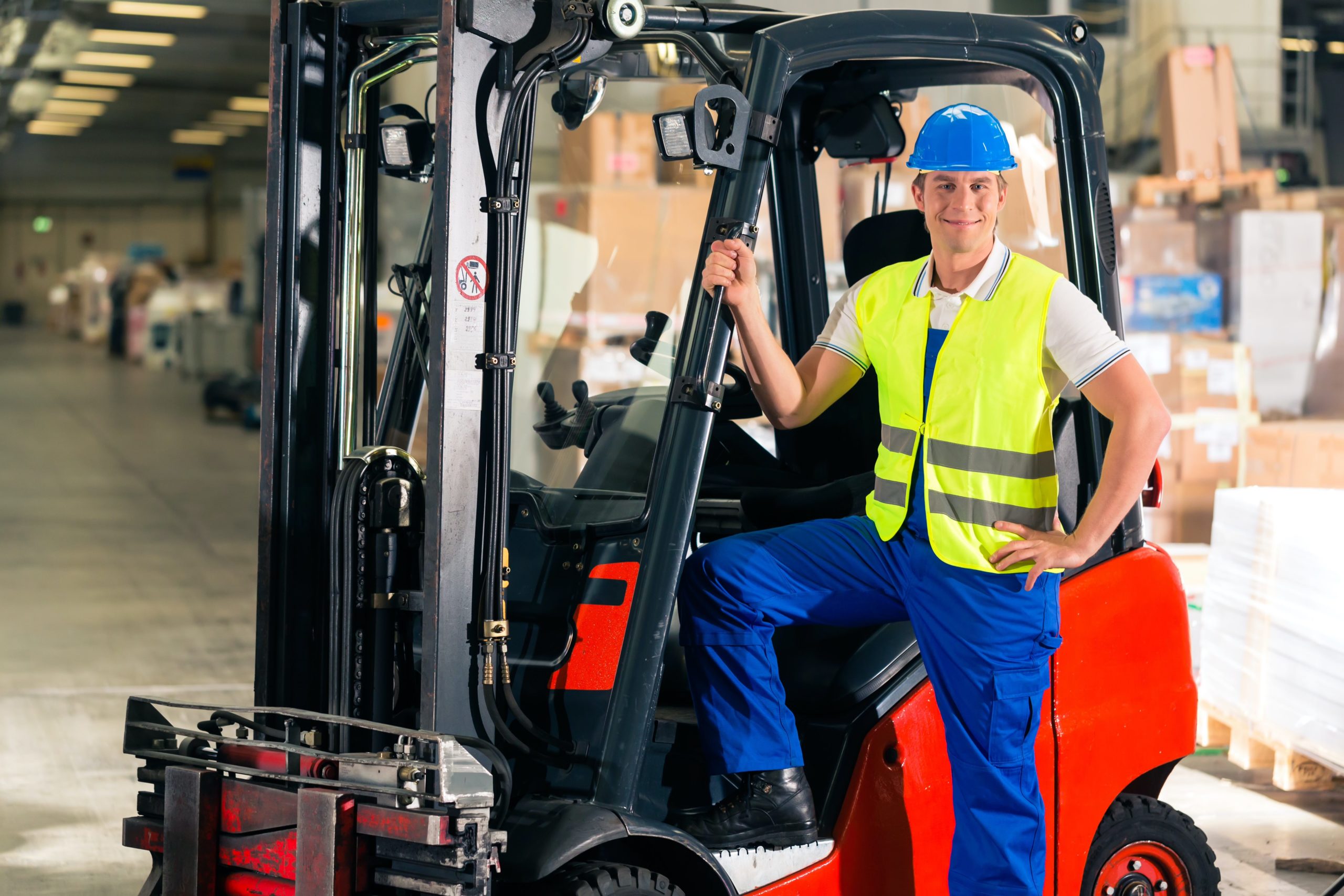
Green Forklift Innovations for a Sustainable Future
Environmental sustainability is reshaping the forklift industry. Legislative pressures and corporate environmental goals are driving the adoption of technologies that reduce emissions and improve efficiency. This section covers electric, hybrid, alternative fuel, and smart innovations.
Electric Forklifts: Clean and Cost-Effective
Electric forklifts eliminate exhaust emissions, making them ideal for indoor warehouses where air quality and worker health matter. Their quieter operation reduces noise pollution. Electricity is cheaper than fossil fuels, and fewer moving parts mean lower maintenance costs. However, the initial investment is higher, and charging infrastructure requires planning. Battery lifecycle management is essential to control replacement costs.
Hybrid Forklifts: Balancing Power and Range
Hybrid units combine a small internal combustion engine that charges the battery, enabling longer operation without constant recharging. They emit less than pure ICE models but are not zero-emission. Their complex systems may increase maintenance requirements.
Alternative Fuels: Hydrogen, Biodiesel, and CNG
Hydrogen fuel cells offer zero-emission power with water as the only byproduct, but infrastructure and cost limit adoption. Biodiesel, made from organic materials, reduces emissions but may have lower energy content and temperature sensitivity. Compressed natural gas (CNG) cuts emissions and operational costs but requires specialized refueling stations.
Smart Technologies and Automation
Telematics provide real-time data on forklift usage and maintenance needs, optimizing energy and lifespan. Automated Guided Vehicles (AGVs) increase safety and cut labor costs, though they require upfront capital. Regenerative braking converts braking energy to recharge batteries, extending range.
Selecting the Right Eco-Friendly Model
Indoor operations benefit most from electric forklifts; outdoor sites may suit hybrids or alternative fuels. Evaluate total cost of ownership, including purchase, maintenance, energy, and infrastructure needs. A holistic approach balances cost, environmental impact, and operational efficiency.
Forklift Rentals and Support Services
Beyond equipment, support services like rentals, maintenance, and repairs are critical for operational continuity. Leveraging specialized services can boost productivity and reduce financial risk.
Renting Forklifts: Flexibility Without Ownership
Rentals provide access to a variety of models for short-term or fluctuating demands, avoiding large capital expenditures. Companies can test different types before committing. Rental fleets are regularly updated, ensuring access to the latest, more efficient machines that meet current environmental regulations.
Comprehensive Maintenance and Repair
Preventive maintenance schedules extend equipment life and catch issues early. Timely on-site and emergency repairs minimize downtime. Reliable providers stock spare parts and use quality components. Technology integration, such as telematics and digital service tools, streamlines scheduling and communication.
How to Choose a Support Provider
Look for a provider that offers a full range of services: rentals, maintenance, repairs, and parts. Quick response times and emergency support are vital. Technicians should be knowledgeable across various types. Environmental responsibility, such as using low-emission models and proper disposal of old parts, is an added advantage.
Local Technician Expertise: Keeping Operations Running
Skilled local technicians ensure fast, reliable maintenance and repairs, minimizing disruption. Their proximity allows for personalized service tailored to local conditions.
Why Local Technicians Matter
Quick response times reduce downtime. Technicians familiar with common issues in the area can diagnose and fix problems efficiently. Regular inspections catch safety hazards early, ensuring compliance with regulations.
The Role of Preventative Care
Proactive maintenance identifies problems before they become costly repairs. This extends forklift life, reduces operating costs, and enhances workplace safety. Regular servicing keeps equipment reliable and compliant.
Operator and Technician Collaboration
Operators are first to notice issues. When they coordinate with technicians, maintenance becomes more effective. Technicians gain insights into usage patterns, tailoring service to actual demands.
Finding the Right Technician
Choose certified technicians with experience across multiple models. Evaluate their availability, response time, and proximity. Local knowledge helps them adapt to specific site conditions, ensuring comprehensive care.