From Static Rules to Real-Time Risk Intelligence: The Future of Compliance Software
Discover how automated compliance platforms replace manual checks with real-time monitoring, tackle shadow IT, and unify data for holistic risk visibility.
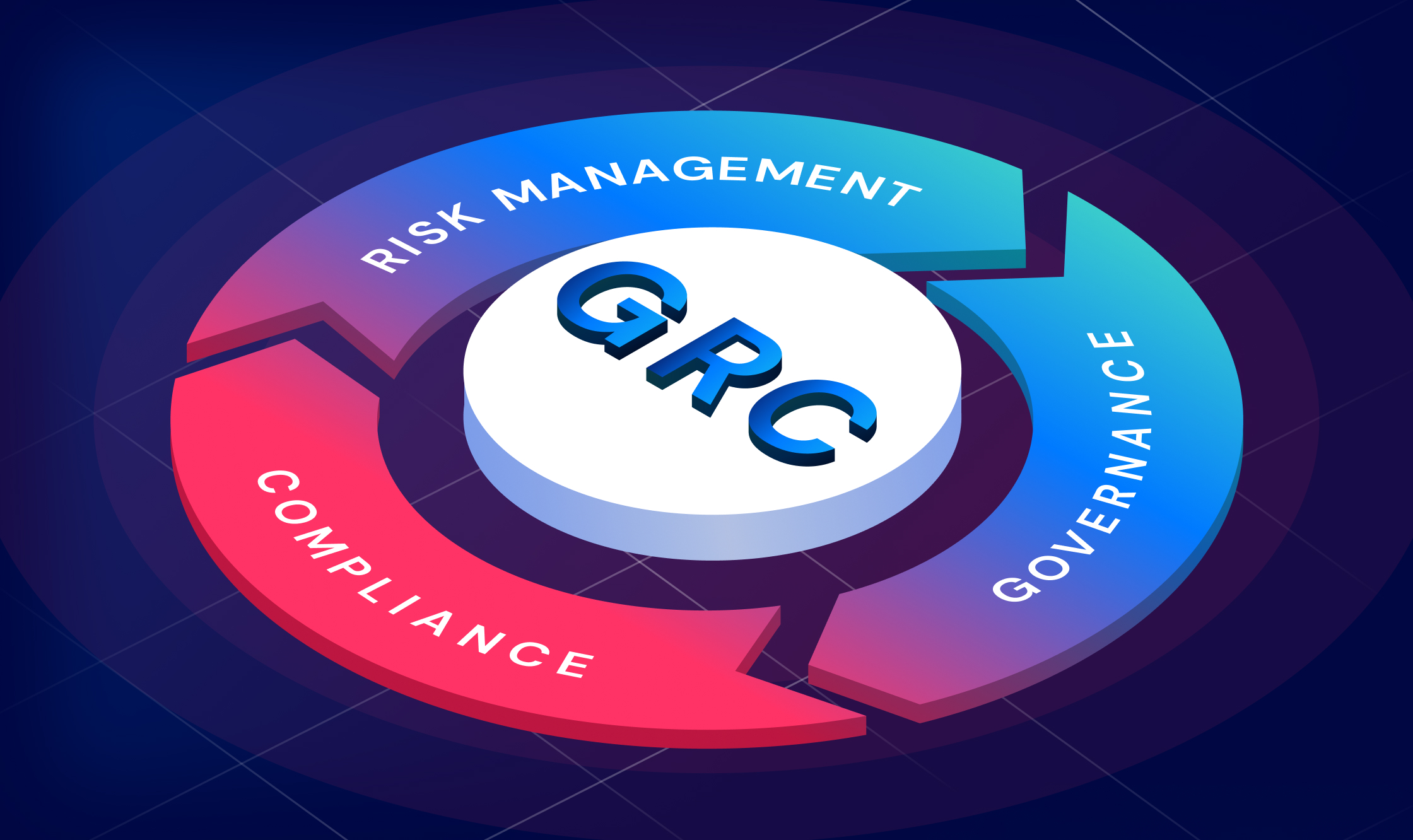
The Shift from Static Compliance to Dynamic Risk Management
Why Rule-Based Systems Fall Short
In today’s fast-moving U.S. economy, the old model of compliance—relying on static checklists and periodic audits—is no longer adequate. When transaction volumes were lower, manual cross-referencing against rulebooks could keep pace. Now, global trade involves intricate webs of counterparties, ownership structures, and end-use requirements that demand deeper, more frequent scrutiny. A single risk event can cascade across borders, making reactive detection a liability.
The Rise of Automated Real-Time Monitoring
Forward-looking organizations are adopting risk-based compliance platforms that use data analytics to prioritize high-risk transactions. Instead of treating every action equally, these systems allocate scrutiny where it matters most—for example, scanning beneficial owners against ever‑changing sanctions lists. Continuous monitoring is essential because a partner that is compliant today may be flagged tomorrow. Automated GRC software provides an “always‑on” surveillance layer that transforms legal complexity into manageable workflows, keeping organizations audit‑ready at all times.
| Operational Aspect | Legacy Manual Approach | Automated Digital Approach |
|---|---|---|
| Risk Identification | Reactive; often identified after a transaction or audit begins. | Proactive; flags potential risks in real-time before transactions finalize. |
| Data Handling | Fragmented across spreadsheets and emails; prone to human error. | Centralized and unified; creates a single source of truth for all stakeholders. |
| Audit Readiness | Time-consuming compilation of documents; high stress during review. | Instant retrieval of comprehensive digital audit trails and decision logs. |
| Scalability | Linear costs; requires more headcount as transaction volume grows. | High leverage; handles increased volume without proportional staff increases. |
Taming Shadow IT Without Killing Innovation
The Hidden Dangers of Unauthorized Tools
Digital transformation has given rise to “shadow IT”—employees using unapproved cloud services and apps to boost productivity. While the intent is positive, these tools bypass security protocols, expand the corporate attack surface, and create invisible compliance gaps. Sensitive data flowing through unvetted software can lead to leaks or regulatory violations that go undetected.
Enabling Innovation Within Safe Guardrails
Effective leadership avoids blanket bans, which stifle creativity. Instead, modern enterprise compliance tracking provides visibility into which tools are actually in use. Software can automatically assess the risk of each application, allowing low‑risk tools to be adopted quickly while high‑risk ones are flagged for review. By offering secure, approved alternatives and educating employees, companies turn governance from a bottleneck into an enabler of productivity.
Unifying Silos for End‑to‑End Visibility
Why Fragmented Data Undermines Confidence
Many organizations suffer from a “confidence paradox”: executives feel secure based on partial reports, while risks hide in disconnected data silos. Financial data sits in ERP, safety data on factory floors, and vendor records in procurement databases. True resilience requires a unified platform that integrates these streams into a single dashboard.
Supply Chain and ESG as Key Drivers
Stakeholders—from investors to consumers—demand transparency beyond company walls. Tracking multi‑tier supply chain compliance, labor standards, and environmental metrics via email or spreadsheets is impractical. Integrated compliance management software maps data lineage, validates ESG claims, and prevents “greenwashing” accusations.
| Strategic Goal | Role of Unified Data | Business Outcome |
|---|---|---|
| Supply Chain Resilience | Maps dependencies and vendor risks across multiple tiers. | Minimizes disruption impact; enables rapid alternative sourcing during crises. |
| ESG Integrity | Aggregates environmental and social metrics from all business units. | Produces verifiable reports that satisfy investors and regulatory bodies. |
| Decision Velocity | Provides real-time dashboards replacing static quarterly reports. | Enables leadership to pivot strategies quickly based on accurate risk assessments. |
| Third-Party Management | Centralizes vendor audits, certifications, and performance history. | Reduces onboarding time and prevents engagement with sanctioned or risky entities. |
Frequently Asked Questions
What is Compliance Management Software and why is it important?
Compliance Management Software helps organizations adhere to laws, regulations, and internal policies. It reduces the risk of non‑compliance, which can lead to penalties, financial losses, and reputational damage. By automating tasks, it ensures consistent adherence and improves operational efficiency.
How do Regulatory Compliance Platforms support legal standards?
These platforms provide a centralized system to track and manage compliance activities. Features include real‑time monitoring, automated reporting, and alerts for potential breaches, enabling proactive issue resolution and keeping organizations current with evolving requirements.
What are the key features of GRC Software?
Governance, Risk, and Compliance (GRC) Software typically includes risk assessment tools, compliance dashboards, policy management, audit management, and incident reporting. These features align governance frameworks with risk management for a comprehensive compliance approach.
How does Enterprise Compliance Tracking enhance accountability?
It provides transparency and traceability of compliance activities. By documenting tasks, responsibilities, and deadlines, all employees understand their obligations, and a clear record of efforts is available for audits and inspections.
What are the benefits of integrating Compliance Software with other enterprise systems?
Integration with ERP, HR, or other systems improves data accuracy, streamlines processes, and enhances reporting. It eliminates data silos, ensuring compliance data is always up‑to‑date and accessible to relevant stakeholders.