FDA-Approved Self-Collection HPV Test: A New Option for Cervical Cancer Screening
Learn about the FDA-approved self-collection HPV test, how it compares to Pap smears, and who should get screened.
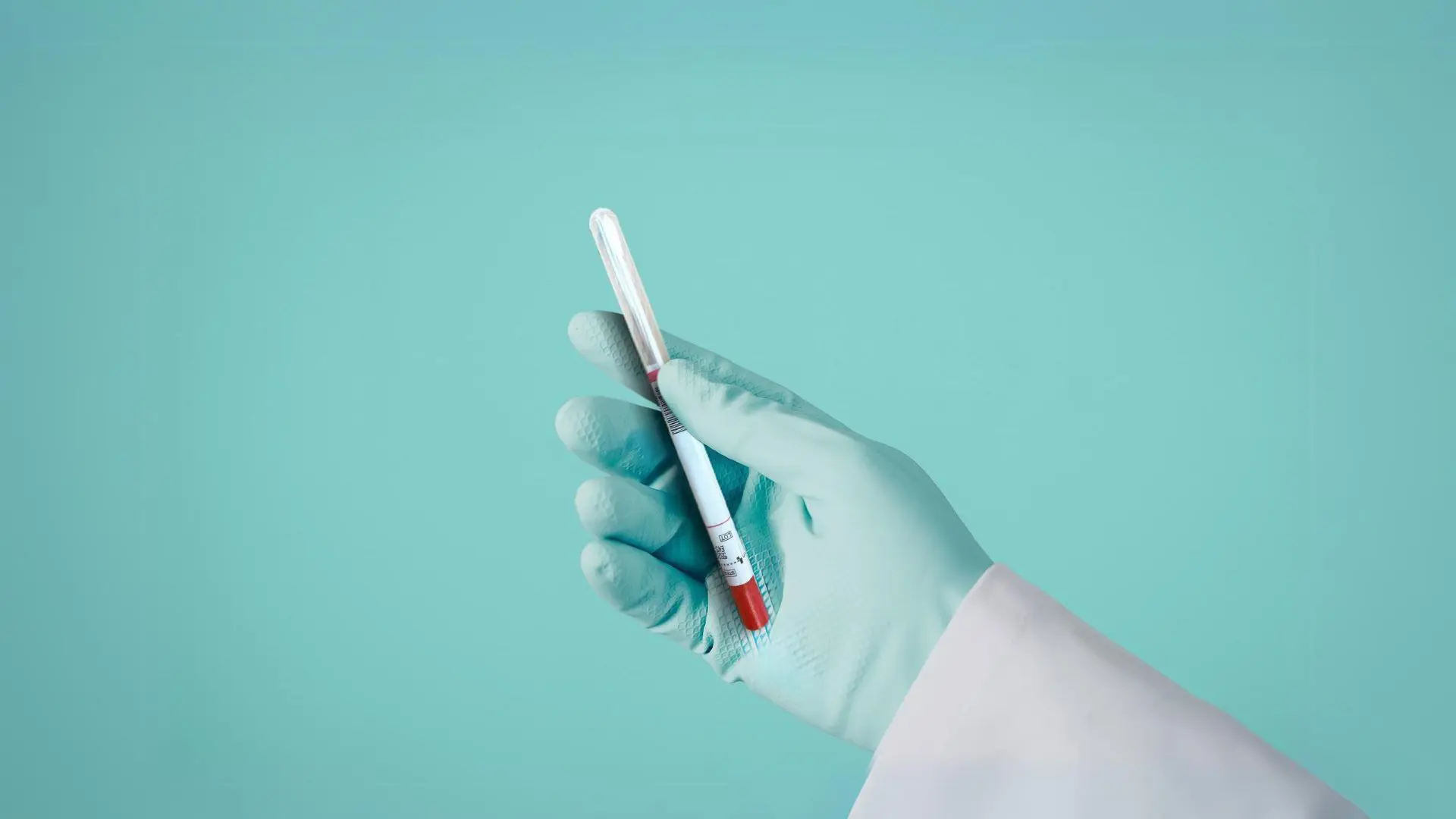
New Self-Collection HPV Test Approved by FDA
In May 2024, the U.S. Food and Drug Administration (FDA) approved self-collection as a method for detecting human papillomavirus (HPV), the primary cause of cervical cancer. This move aligns the United States with countries like Australia, Canada, the Netherlands, Denmark, and Sweden, where self-swabbing for HPV is already routine. Currently, self-collected vaginal samples must be obtained in a healthcare setting (e.g., a doctor's office), but at-home self-sampling awaits further FDA approval.
These screening tests are designed to identify individuals at high risk of developing cancer or precancer, not to diagnose the disease itself. A positive result requires follow-up testing, typically a colposcopy-directed biopsy, to confirm a diagnosis.
Understanding HPV and Its Role in Cervical Cancer
HPV is a widespread sexually transmitted infection, often spread through intercourse or skin-to-skin contact. Most sexually active people will contract at least one HPV type in their lifetime, but the infection usually clears on its own. Among over 30 genital HPV types, only a few are considered high-risk and linked to cancer. Low-risk HPV typically causes no symptoms or may lead to genital warts, while persistent high-risk HPV can cause abnormal cell growth that may become cancerous.
The HPV vaccine provides strong protection against most cervical cancer cases. A 2024 study in the Journal of the National Cancer Institute found zero cases of invasive cervical cancer among young Scottish women who received at least one dose of the vaccine. Women who received three doses were significantly less likely to develop cervical cancer compared to unvaccinated women. Although there is no cure for high-risk HPV, abnormal cells can be removed before they turn malignant.
Screening Methods: HPV Test vs. Pap Test
Two primary methods check for cervical cancer: the HPV test and the Pap test (Pap smear).
HPV Test: Detects genetic material from high-risk HPV strains that can cause cancer if untreated.
Pap Test: Also called cervical cytology, it examines cervical cells for changes (e.g., nuclear abnormalities) that could lead to cancer.
A co-test combines both using the same sample. Recommendations vary by age and health factors. These are not diagnostic tests; they identify high-risk individuals who need further evaluation.
How Self-Collection Works
Patients opting for self-collection receive instructions from their provider. The test is completed in the clinic without medical supervision during the collection process. Typically, patients insert a long cotton swab into the vagina and gently swirl it for 20–30 seconds to obtain an adequate sample. The sample is then sent to a lab for analysis.
Benefits and Limitations of Self-Collection
Self-collection is more convenient and less invasive than traditional Pap smears, potentially increasing screening rates. Many patients find speculum exams uncomfortable, especially those with a history of sexual violence, older individuals with sensitive vaginal tissues, or those with gender dysphoria.
A meta-analysis in Nature found self-collected vaginal samples comparable to clinician-collected cervical samples for detecting HPV. One study reported self-collected samples were about 89% accurate, versus nearly 88% for doctor-collected samples. While user error is possible, the method is highly sensitive; even a small number of cells can yield adequate detection.
Who Should Get Screened and How Often
The American Cancer Society (ACS) recommends starting regular cervical cancer screening at age 25. Guidelines are currently being updated by the U.S. Preventive Services Task Force. According to ACS:
Adults with a cervix aged 25–65: primary HPV test every five years (preferred), or co-test every five years, or Pap test alone every three years.
Primary HPV tests are the gold standard for preventing cervical cancer, as they outperform Pap smears at detecting precancerous changes.
More frequent screening may be needed for those with a personal/family history of cervical cancer, HIV, or a compromised immune system.
The key is to get screened regularly and follow up on abnormal results to catch precancerous changes early, when treatment is most effective.