Window Repair or Replacement? A Complete Guide to Energy Efficiency, Costs, and Modern Upgrades
Learn when to repair or replace windows, compare costs and materials, and discover modern upgrades like automatic shades for energy savings and comfort.
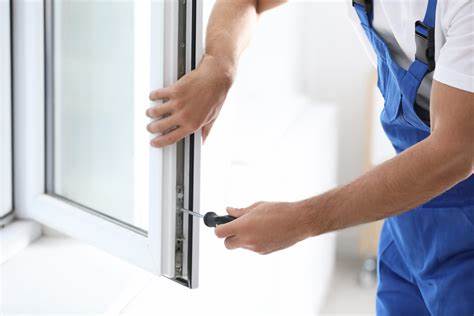
Introduction
Windows play a key role in home comfort, energy use, and curb appeal. Whether you need minor repairs or a full replacement, understanding your options helps you save money and boost efficiency. This guide covers when to repair vs. replace, material comparisons, costs, and smart features like automatic shades.
Repair vs. Replacement: How to Decide
When Repairs Make Sense
Minor issues can often be fixed without replacing the entire window. Common repairable problems include:
Cracked or broken panes – a single pane can be replaced cheaply.
Drafts or leaks – resealing or replacing weatherstripping solves most air/water infiltration.
Sticking frames – lubrication or minor adjustments restore smooth operation.
Foggy double glazing – seal repair eliminates condensation between panes and restores insulation.
When Replacement Is the Better Choice
Full replacement is often more cost‑effective in the long run when:
Windows are old or inefficient – lack of double glazing or low‑E coatings drives up energy bills.
Frames are severely damaged – rot, warping, or corrosion compromises structural integrity.
Energy bills keep climbing – upgrading to modern vinyl replacement windows can save $150–$300 yearly.
You want modern features – automatic window shades, better soundproofing, or improved aesthetics.
Benefits of Upgrading Your Windows
Energy Efficiency & Cost Savings
Modern windows are engineered for thermal performance. Vinyl and double‑glazed models reduce heating and cooling loads, lowering monthly bills and your carbon footprint.
Comfort & Noise Reduction
New windows eliminate drafts and maintain consistent indoor temperatures. Advanced soundproofing cuts street noise, creating a quieter home.
Increased Home Value
Energy‑efficient, stylish windows boost curb appeal and resale value. Features like automatic shades are attractive to buyers.
Window Types: Costs, Savings & Noise Ratings
| Window Type | Avg. Cost (USD) | Yearly Energy Savings | Noise Reduction |
|---|---|---|---|
| Vinyl Replacement | $250–$750 per window | $150–$200 | Moderate |
| Double‑Glazed | $200–$600 per window | $100–$150 | High |
| Triple‑Glazed | $400–$1,000 per window | $200–$300 | Very High |
Choosing the Right Window Material
| Material | Durability | Maintenance | Cost (USD) | Best For |
|---|---|---|---|---|
| Vinyl | High | Low | $250–$750 | Budget‑friendly, energy efficiency |
| Wood | Moderate | High | $400–$1,200 | Traditional aesthetics, historic homes |
| Aluminum | Very High | Low | $600–$1,500 | Modern designs, extreme weather |
| Composite | Very High | Low | $800–$2,000 | Premium quality, minimal upkeep |
Modern Feature: Automatic Window Shades
Motorized shades add convenience and energy savings. They can be programmed to open/close based on time, sunlight, or voice commands via smart assistants. Benefits include reduced heat gain in summer, retained warmth in winter, and a sleek look. When choosing an automatic shades company, look for broad design options, expert installation, and smart‑home integration.
Finding the Right Contractor
Search for “window contractors near me” and evaluate:
Experience – proven track record in repair and replacement.
Licenses & insurance – verify certifications.
Customer reviews – check online ratings.
Warranties – materials and workmanship coverage.
Local knowledge – familiarity with regional climate and building codes ensures better results.
Conclusion
Investing in window repair or replacement improves comfort, lowers energy costs, and adds value to your home. Whether you choose vinyl replacements, double glazing, or automatic shades, working with qualified local professionals guarantees a successful project. Assess your needs, compare materials, and upgrade for a more efficient, beautiful home.