Medical Air Transport Services in the US: A Complete Guide
Learn about US medical air transport: types, costs, leading providers, and future trends. Your guide to air ambulance services.
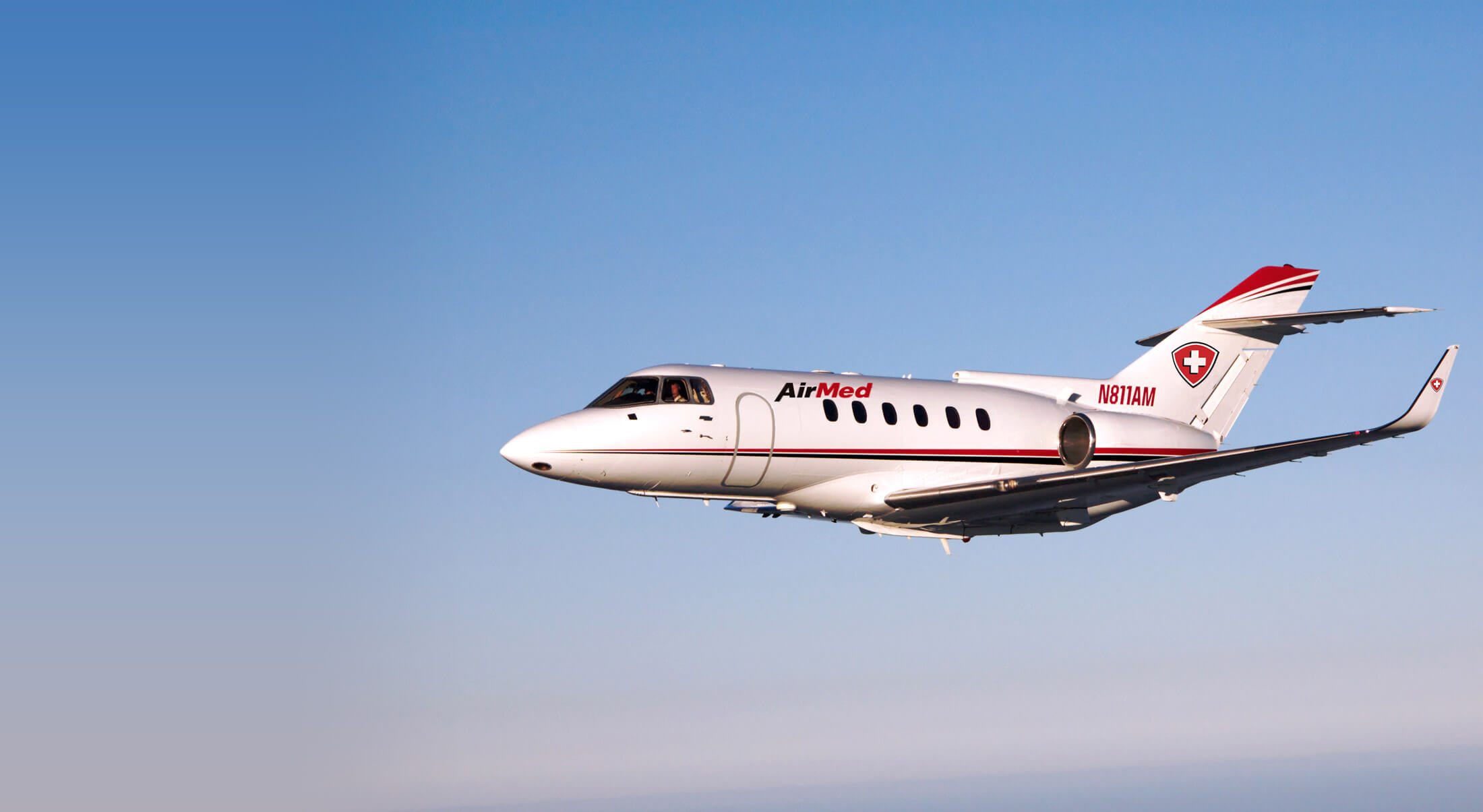
What Is Medical Air Transport?
Medical air transport uses specially equipped aircraft – often called air ambulances – to move patients quickly and safely in emergencies or for planned long-distance transfers. These flights carry advanced medical equipment such as ventilators, defibrillators, and critical-care supplies, with a trained team of paramedics, nurses, and physicians on board.
Types of Medical Air Transport Services
Services range from emergency air ambulances to international patient transfers and non-emergency medical plane transport. Each type meets different needs:
Emergency Air Ambulance Services – for critically ill patients who need immediate care.
International Air Ambulance Services – to move patients across borders for specialized treatment or repatriation.
Medical Plane Transport (Non-Emergency) – for stable patients who require safe transport over long distances.
How Medical Air Transport Works
Coordination and Response
Activation starts when a hospital or individual contacts a medical air transport company. The company assesses the patient's condition, dispatches an aircraft and medical team to the patient's location, stabilizes the patient, and flies them to the destination facility.
Key Players: Medical Air Transport Companies
Here are leading providers in the US:
| Company | Service Type | Coverage |
|---|---|---|
| AirMed International | Emergency & Scheduled | US & International |
| Angel MedFlight | Critical Care Transport | US & Global |
| Medjet | Membership-Based Transfers | Worldwide |
| LifeFlight Network | Emergency Air Ambulance | US Pacific Northwest & Western States |
Source: US Medical Air Transport Providers, 2025
Importance of Emergency Air Ambulance Services
Rapid Response in Critical Situations
Emergency air ambulances save time when ground transport is too slow or impossible. They can reach remote areas quickly and bring specialized teams to handle life-threatening conditions.
International Transfers
International air ambulance services handle medical repatriation and access to advanced care abroad. Common transfer types include:
| Transfer Type | Use Cases | Key Considerations |
|---|---|---|
| Medical Repatriation | Returning patients home | Travel restrictions, visas |
| Specialized Treatment Transfer | Accessing advanced care abroad | Coordination with destination hospitals |
| Non-Emergency Transport | Long-distance for stable patients | Cost, comfort |
Source: International Air Ambulance Trends, 2025
How to Find Air Ambulance Services Near You
Choosing a Provider
Research online directories and reviews. Check accreditation (e.g., CAMTS). Always request detailed cost estimates to avoid surprises.
Cost of Medical Air Transport
Prices vary by distance and service type. Typical US costs:
| Distance (miles) | Estimated Cost (USD) | Service Type |
|---|---|---|
| 0–300 | $10,000–$25,000 | Domestic Emergency |
| 300–1,000 | $25,000–$50,000 | Long-Distance Domestic |
| International | $50,000–$200,000+ | Specialized International |
Source: US Medical Air Transport Cost Analysis, 2025
Future Trends in Medical Air Transport
Advancements in Aircraft Technology
New fixed-wing and rotorcraft designs with ICU-grade equipment improve speed, stability, and patient comfort.
Telemedicine Integration
Real-time video and data links let onboard crews consult specialists on the ground, improving care quality and outcomes.
Eco-Friendly Air Transport
Sustainable aviation fuel (SAF) and electric/hybrid aircraft are being adopted to lower emissions.
Membership Models
Programs like Medjet offer annual plans covering air ambulance transport worldwide, giving travelers peace of mind.
Conclusion: A Lifeline in the Skies
Medical air transport is a vital part of modern healthcare. Understanding how it works, what it costs, and what’s coming next helps patients and families make informed decisions. As technology and eco-friendly practices advance, these services will become even more accessible and efficient.