Flexible Office Rentals vs. Traditional Leases – Navigating the Market Shift in 2025
Why are some offices dark while shared hubs have waitlists? Explore the market split, hybrid work impact, and actionable tips for tenants and owners.
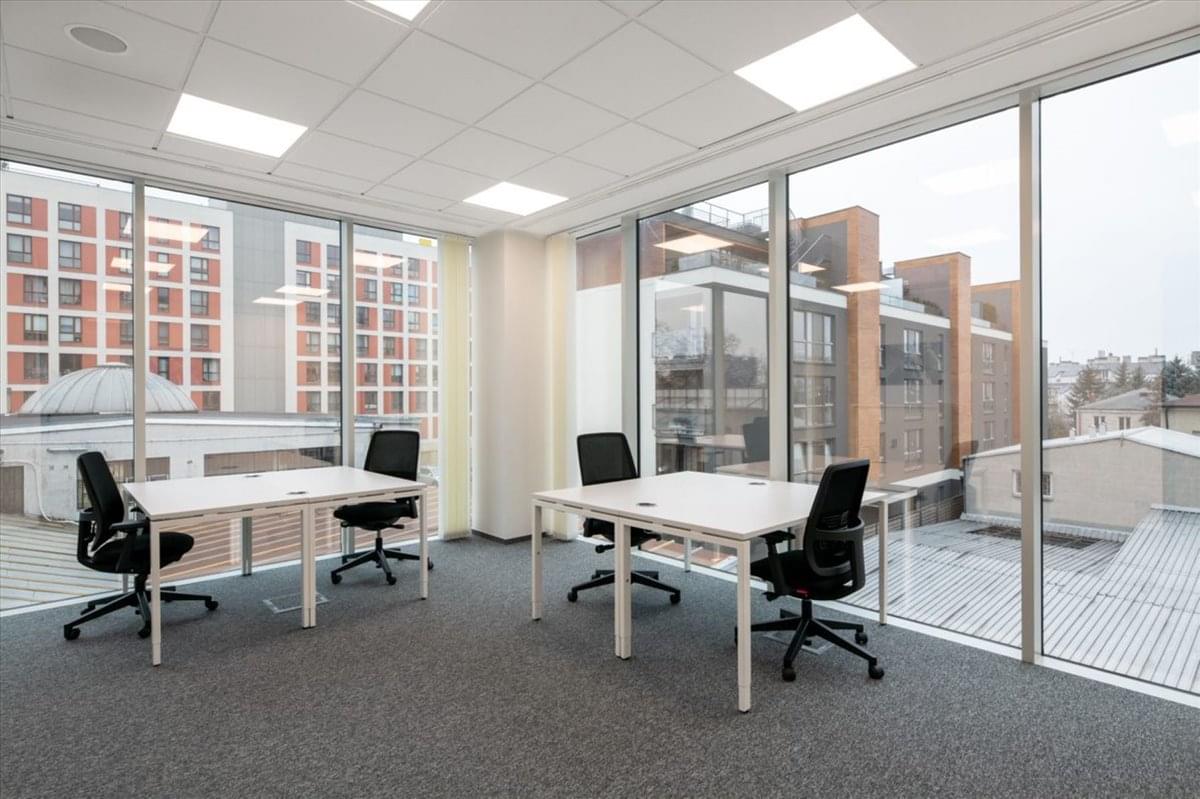
The Office Market Paradox: Empty Floors vs. Full Shared Hubs
Step into a typical high-rise and entire floors sit dark, even though technically "fully leased." A few blocks away, a coworking space is turning away teams because every small suite and team room is booked. On paper, both are "available offices," but demand is splitting in opposite directions.
This gap reflects how teams actually work. Long, rigid leases assume a five-day-a-week, fixed-desk model. Hybrid routines only require in-person presence on certain days or for specific projects. Large, bare floors feel oversized, slow to adapt, and expensive to fit out, while smaller, ready-to-use rooms with short terms feel safer and easier to justify. The result: plenty of square footage overall, but a shortage of move-in-ready, plug-and-play spaces sized for modern teams.
Why Traditional Offices Are Losing Their Appeal
Hybrid Work Breaks the One-Desk-Per-Person Rule
Hybrid work has changed how teams think about being together. Many groups now split time into three categories: quiet tasks (anywhere), collaborative work (better in person), and sensitive work (needs secure rooms). This shift erodes the need for permanent desks. Instead, teams need a mix of collaboration zones, focus areas, and bookable rooms that support busy in-office days without locking in full-time capacity for everyone. The more hybrid a team becomes, the more awkward a sea of fixed desks feels.
Unpredictable Headcount and Shorter Planning Windows
Few companies can confidently predict team size years ahead. Growth stalls, pivots happen, mergers reshape departments. A big fixed footprint becomes a risky bet. Shorter, flexible commitments act as a buffer. Many leaders prefer paying slightly more per square foot rather than carrying unused space or remodeling mid-lease. This is especially true when boards scrutinize every recurring cost.
The Rise of "Office-Plus" Over Office-Only
Spaces that combine work areas with specific functions—treatment rooms, labs, training halls, project staging—often see strong demand even when generic towers are soft. These "office-plus" setups embed work directly into the service or field environment. Because the space is tightly tied to operations, tenants are more willing to commit. These buildings can justify more investment in upgrades and services, keeping utilization high.
The Scarcity of Truly Flexible and Serviced Spaces
It’s Not Just About Chopping a Floor into Smaller Slices
Converting empty suites into flexible or serviced rooms requires more than adding walls. High-performing flexible setups need reception, phone booths, sound-managed meeting rooms, robust connectivity, secure access control, comfortable common areas, and daily community management. Older buildings were designed for a few big tenants, not dozens of small ones. Mechanical systems, fire egress, and elevators were laid out for large, infrequent moves. Reworking that for high-frequency use takes serious capital and time.
Location Matters More Than Ever
Shared and serviced environments thrive where people want to spend time: near transit, food, services, and client hubs. Those locations are rarely cheap. Owners there weigh the cost of heavy renovations against waiting for a large traditional tenant. Meanwhile, less convenient properties can hang a "flexible" sign but struggle to attract steady traffic. The result: a few well-positioned, well-run providers face waitlists, while lower-quality conversions limp along.
Flexible Space Is a Service Business, Not Just Real Estate
Running a traditional suite revolves around collecting checks and maintaining systems. Running flexible space is hospitality: constant turnover, complex billing, event programming, conflict resolution, and ongoing layout adjustments. Many landlords prefer low-touch income over high-touch operations. So even with rising vacancy, relatively few properties are fully rebuilt around flexible or serviced models. That’s why finding a polished option near the right clients and transit feels harder than vacancy statistics suggest.
Practical Steps for Tenants and Owners
For Tenants: Audit Real Usage Before Signing
Before committing, gather data on current patterns: How many people are on-site each day? Which rooms are constantly booked? Where are the real bottlenecks—focus space, collaboration zones, client-ready rooms, or quiet call areas? Even rough numbers from badge data or observation can reveal how much of the current footprint is used. Then decide whether to prioritize classic suites, serviced rooms, or shared hubs—and in what mix. Push owners for flexible structures inside traditional leases: options to expand or contract, shared amenity floors, or management services.
For Owners: Lean Into Office-Plus and Flexibility
Owners with half-empty floors can either chase a shrinking pool of big tenants or reshape those floors around actual demand. Consider breaking up oversized plates into smaller, ready-to-use suites; adding shared conference centers, lounges, and focus rooms as building-wide amenities; or partnering with experienced flexible operators. Properties that blend classic suites with high-quality, service-heavy options give tenants room to grow, shrink, and reconfigure without leaving the building. In a cautious market, adaptability often beats a discount on base rent. The buildings that stay full will feel less like static boxes and more like living toolkits.
Frequently Asked Questions
How do I compare a serviced office with a traditional lease?
A serviced office is turnkey with furniture, internet, and reception included; a traditional lease is cheaper per square foot long term but requires separate fit-out, utilities, and longer commitments.
What should I look for when searching "office rental near me" in the U.S.?
Filter by commute time, parking, transit, lease flexibility, fiber-optic availability, building security, and local ecosystem; tour at different times to check noise and amenities.
When is coworking better than a small dedicated office?
Coworking suits freelancers, startups, or hybrid teams needing flexibility and networking; a dedicated office fits when privacy, branding, or frequent client calls are priorities.
How can a corporate tenant negotiate better lease terms?
Leverage longer lease length, multi-floor options, or off-peak move-in to request rent abatements, tenant improvement allowances, expansion rights, and caps on operating expenses.
What hidden costs should I watch for?
Review CAM charges, parking fees, after-hours HVAC, internet build-out, furniture, cleaning, signage, and restoration clauses; model total monthly occupancy cost rather than focusing only on base rent.