Invisible Teeth Aligners: A Clear Path to a Straighter Smile – Benefits, Costs & Trends
Discover how invisible teeth aligners work, their benefits, costs, and future trends. A clear alternative to braces for a confident smile.
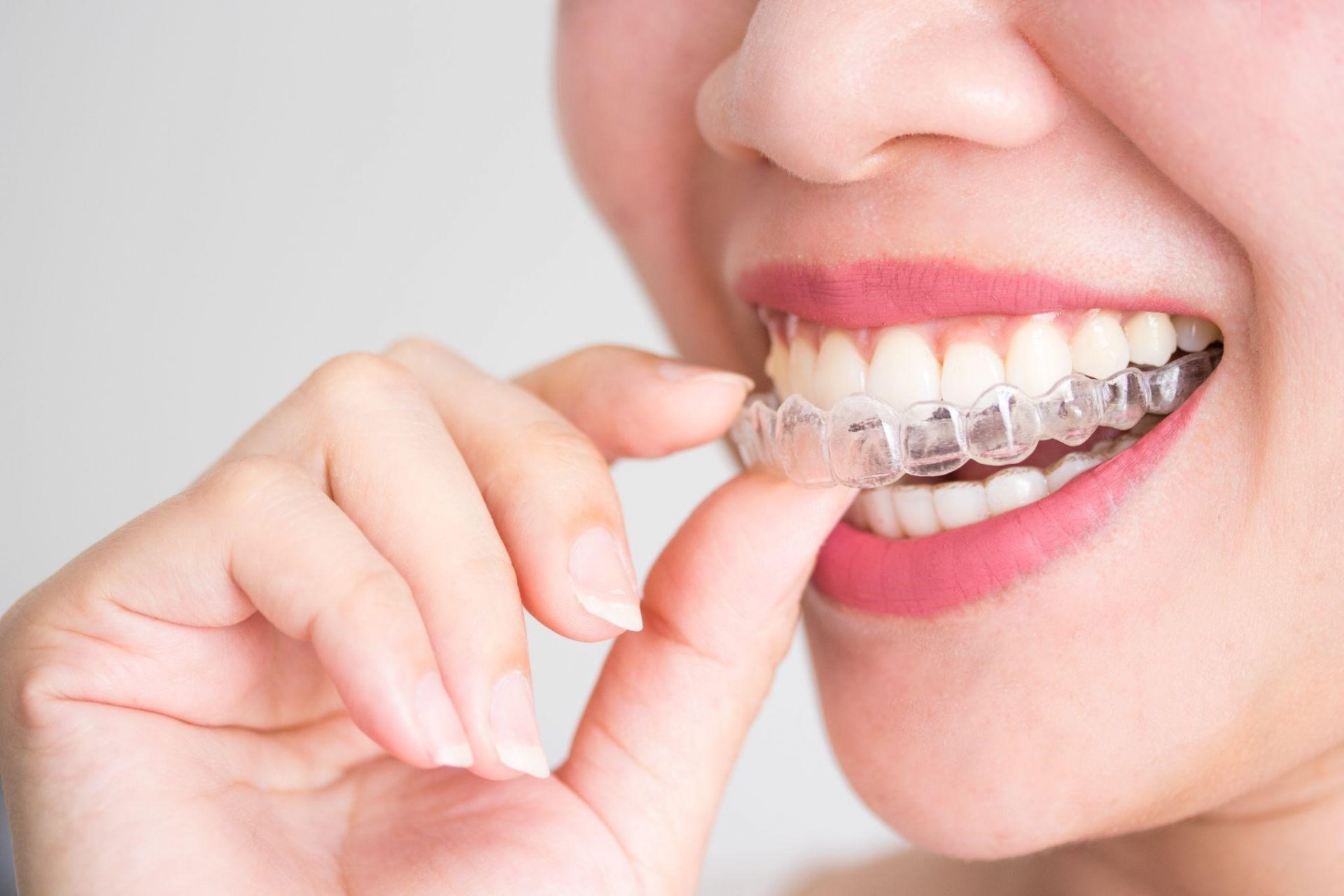
What Are Clear Aligners and How Do They Work?
Invisible teeth aligners, commonly called clear aligners, are custom-made transparent trays designed to fit snugly over your teeth. They gradually shift teeth into proper alignment, offering a modern alternative to metal braces. Typically worn for 20–22 hours daily and replaced every 1–2 weeks, each set of aligners applies gentle pressure to move teeth incrementally. Made from BPA-free plastic, they are safe for long-term use and nearly invisible, making them especially popular among adults and teens seeking a discreet orthodontic solution.
Who Is a Good Candidate?
Clear aligners effectively correct mild to moderate orthodontic issues such as crowed teeth, gaps, overbite, underbite, and crossbite. However, severe misalignments may still require traditional braces or other treatments.
Major Benefits of Choosing Invisible Aligners
1. Discreet Appearance
The biggest advantage is their near-invisibility. Unlike metal brackets and wires, aligners blend with your teeth, allowing you to smile confidently throughout treatment. This is especially valued by professionals, public speakers, and anyone in social roles.
2. Comfort and Convenience
Aligners are removable, so you can eat, drink, brush, and floss without restrictions. No food gets stuck, and no special cleaning tools are needed. Plus, they have smooth edges that won't irritate your gums or cheeks – a common issue with traditional braces.
3. Fewer Dental Visits
After the initial fitting, most patients see their orthodontist only every 6–8 weeks for brief check-ups, making aligners ideal for busy schedules.
4. Better Oral Hygiene
Because aligners are removable, you can maintain your normal brushing and flossing routine without extra effort.
Traditional Braces vs. Invisible Aligners: A Quick Comparison
| Feature | Traditional Braces | Invisible Aligners |
|---|---|---|
| Visibility | Highly visible (metal brackets/wires) | Virtually invisible |
| Comfort | May cause mouth irritation | Smooth, comfortable fit |
| Removability | Fixed to teeth | Removable |
| Maintenance / Oral Hygiene | Requires special cleaning tools | Normal brushing and flossing |
| Cost Range | $2,500 – $7,500 | $3,000 – $8,000 |
Data sourced from the American Association of Orthodontists (2025).
Cost of Invisible Teeth Aligners
Pricing varies based on location, dentist expertise, and case complexity. Nationwide, aligners typically cost between $3,000 and $8,000. Costs tend to be higher in states like California or New York due to overhead, while areas with lower living expenses may offer more affordable options. Treatment duration also affects price – longer treatments require more aligners and oversight.
How to Find the Right Aligner Dentist Near You
Step 1: Research Local Providers
Search for “Invisible Braces Dentists Nearby” or “Nearby Invisible Dental Aligners Dentist.” Look for clinics with strong reviews, transparent pricing, and experience in aligner treatments.
Step 2: Schedule a Consultation
Most orthodontists offer free initial consultations. Ask about total cost including follow-ups and retainers, and request before-and-after photos of previous patients.
Step 3: Compare Treatment Plans
Different brands (e.g., Invisalign vs. SmileDirectClub) vary in price, dentist involvement, and customization. Meet with multiple providers to find the best fit.
Future Trends in Clear Aligner Technology
AI and 3D Printing
Artificial intelligence predicts tooth movements with greater accuracy, reducing treatment time, while 3D printing streamlines production, making aligners more precise and affordable.
At-Home Aligner Treatments
Direct-to-consumer brands offer impression kits and remote monitoring – convenient for mild cases but lacking in-person oversight.
Eco-Friendly Aligners
Manufacturers are exploring biodegradable materials and greener production to reduce environmental impact.
Hybrid Treatments
Combining aligners with attachments or elastics helps address complex cases without resorting to full braces.
Frequently Asked Questions
Are invisible aligners suitable for everyone? No, they work best for mild to moderate issues. Severe cases may need braces.
How long does treatment take? Typically 6–18 months, depending on complexity.
Can I eat or drink while wearing aligners? Remove them for anything other than water to avoid staining.
How much do aligners cost on average? $3,000–$8,000, varying by location, duration, and provider.
Does insurance cover aligners? Many dental plans partially cover orthodontics – check with your provider.
Invisible teeth aligners are revolutionizing orthodontic care, offering a discreet, convenient, and effective path to a straighter smile. With advancing technology and expanding options, they are becoming more accessible and tailored to individual needs.