Healthy Dog Treats Guide: Nutrition, Organic, Freeze-Dried & Functional Benefits
Discover what makes a dog treat healthy: protein, fats, fiber, organic options, freeze-dried nutrition, and functional treats for joint, skin, and calming support.
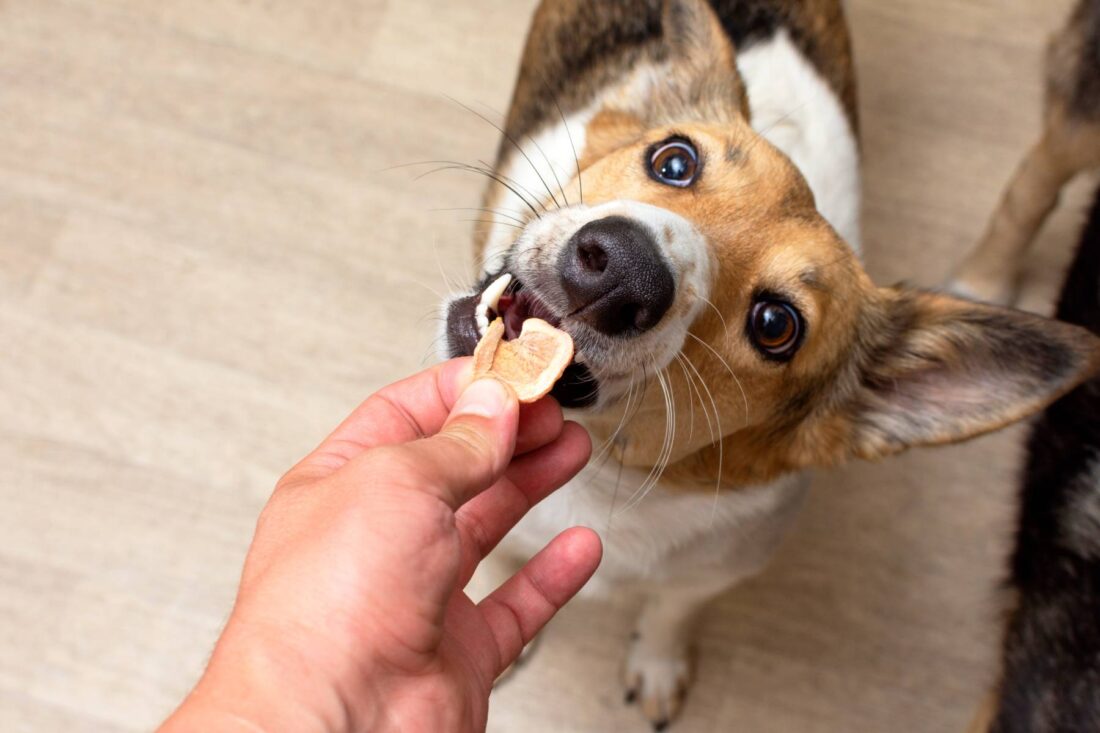
Key Nutrients in Healthy Dog Treats
Healthy dog treats go beyond taste—they support overall wellness by delivering essential nutrients while avoiding harmful additives. Understanding a dog's nutritional needs helps you choose treats that supplement their diet effectively. Focus on treats with high-quality protein, healthy fats, fiber, and minimal artificial ingredients.
Protein for Muscle and Repair
Protein supports muscle development, tissue repair, and hormone production. Look for treats listing lean meats like chicken, turkey, or fish as the first ingredient. Plant-based proteins can also work for some dogs. The ideal protein level depends on your dog's age, activity level, and health status.
Healthy Fats for Energy and Coat
Fats provide energy, aid hormone production, and help absorb fat-soluble vitamins. Omega-3 and omega-6 fatty acids promote a shiny coat and healthy skin. Treats containing fish oil, flaxseed, or sunflower oil are beneficial, but moderation prevents weight gain.
Fiber for Digestion and Satiety
Fiber aids digestion and helps dogs feel full, supporting weight management. Fruits, vegetables, and whole grains are good sources. For dogs with grain sensitivities, choose treats with easily digestible fiber or grain-free options.
Ingredients to Avoid
Steer clear of artificial colors, flavors, preservatives, corn syrup, added sugar, and excessive salt. Opt for treats with recognizable, natural ingredients. Reading the ingredient list carefully is essential for your dog's health.
Organic vs. Natural Labels: Benefits and Considerations
Organic and natural treats appeal to owners seeking healthier, sustainable options. However, the terms have specific meanings and trade-offs.
Understanding the Labels
"Organic" means ingredients grown without synthetic pesticides, fertilizers, or GMOs. "Natural" indicates minimal processing and no artificial additives. Requirements vary, so read labels closely.
Health Benefits
Organic and natural treats often contain higher-quality ingredients that are easier to digest. They reduce exposure to harmful chemicals and may lower allergy risks. Many owners report improved overall health after switching.
Drawbacks to Consider
These treats are costlier than conventional options. "Natural" does not automatically mean healthy—check for unhealthy fats, sugars, or fillers. Introduce new treats gradually to check for sensitivities.
Freeze-Dried Treats: Nutritional Advantages
Freeze-drying (lyophilization) removes water by freezing then sublimating ice under vacuum. This low-temperature process preserves nutrients better than traditional cooking.
How Freeze-Drying Works
Treats are frozen and placed in a vacuum chamber where ice turns directly into vapor. The cold temperature prevents heat damage, retaining the original shape and size while concentrating flavors.
Nutritional Preservation
Compared to heat-based methods, freeze-drying retains more vitamins, minerals, and enzymes. Dogs receive higher levels of beneficial compounds without added preservatives.
Extended Shelf Life and Convenience
Removing water stops microbial growth, giving freeze-dried treats longer shelf life. They are lightweight, easy to transport, and ideal for training or travel.
Palatability
Concentrated flavors and aromas make freeze-dried treats irresistible even to picky eaters. The crunchy or crumbly texture adds sensory appeal, making them great training rewards.
Functional Treats: Targeted Health Benefits
Functional treats combine palatability with added ingredients to address specific health needs beyond basic nutrition.
Joint Support
Treats with glucosamine and chondroitin support joint health and mobility, especially for dogs with arthritis or hip dysplasia. They help maintain cartilage and reduce inflammation.
Skin and Coat Health
Omega-3 fatty acids from fish oil or flaxseed promote a shiny coat and healthy skin. They reduce inflammation and alleviate dry skin or allergies.
Digestive Health
Probiotics and prebiotics in treats support a healthy gut microbiome, improving digestion, immunity, and reducing gastrointestinal issues.
Calming Support
Ingredients like L-theanine, chamomile, or melatonin help anxious dogs relax during thunderstorms, vet visits, or travel, offering a natural calming effect.
How to Choose Quality Dog Treat Brands
Beyond specific types, selecting a trustworthy brand involves careful label reading. Prioritize treats with whole-food ingredients and named protein sources. Avoid excessive fillers (corn, wheat, soy), added sugars, artificial colors, and preservatives. Look for organic or non-GMO certifications. Be wary of vague terms like "animal by-products" or "meat meal." Check online reviews and brand transparency. By combining nutritional knowledge with label literacy, you can choose treats that truly benefit your dog's health.