Ultimate Kitchen Design Guide: Layouts, Smart Technology & Remodeling Tips
Explore essential kitchen design principles, layout options, smart technology, and remodeling tips to create a functional and beautiful space.
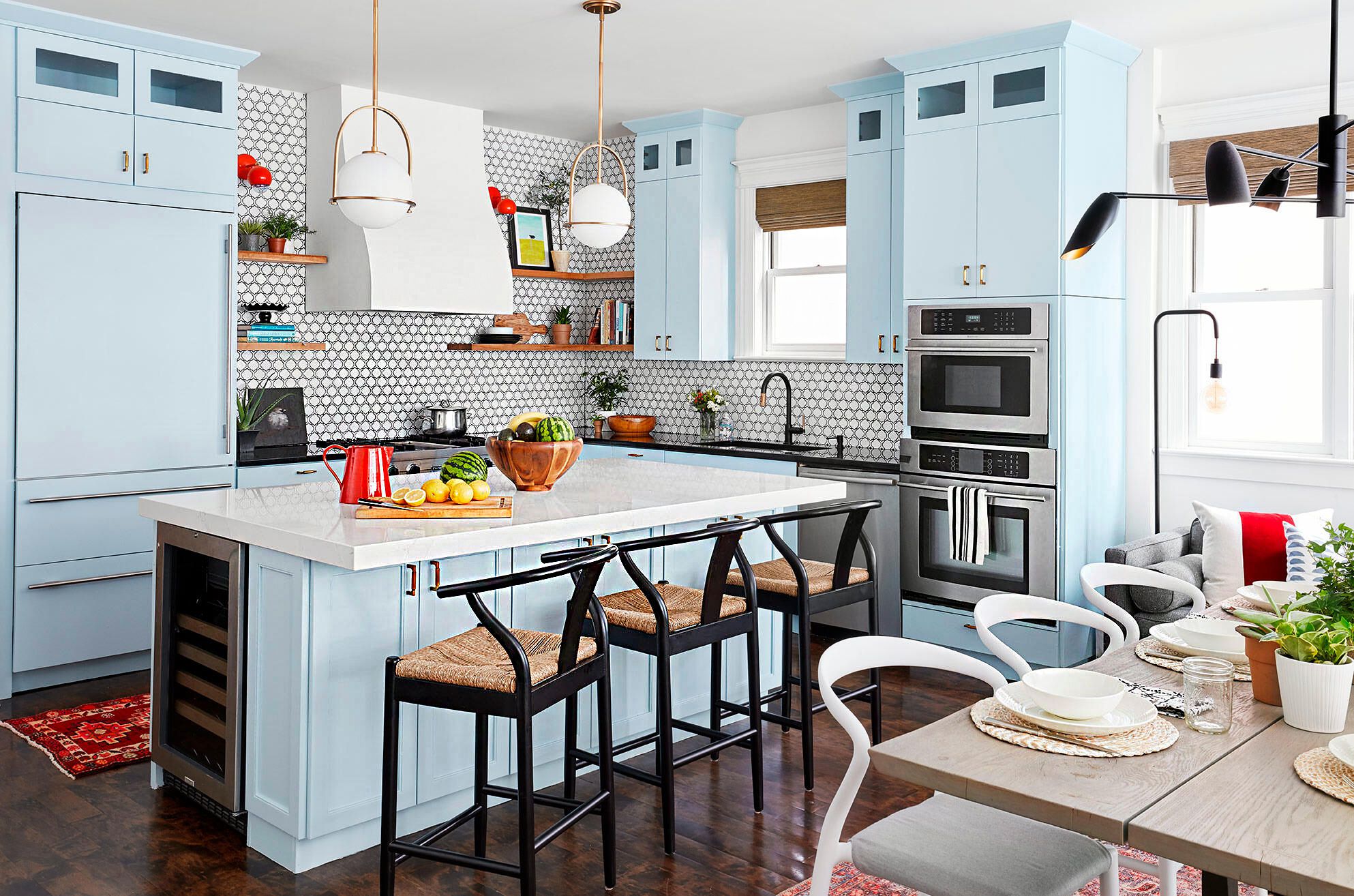
Planning Your Dream Kitchen: Key Considerations
A successful kitchen remodel balances aesthetics, functionality, and modern technology. From choosing the right layout to integrating smart appliances, every decision impacts daily use and overall enjoyment. This guide covers essential design principles, material selection, and contractor hiring strategies to help you create a space that fits your lifestyle.
Choosing a Kitchen Layout That Works for Your Space
Common Layout Types
Four primary layouts dominate kitchen design: U-shaped, L-shaped, galley, and island. Each suits different room sizes and workflow preferences. The U-shape maximizes counter and storage space but requires a larger floorplan, typically 10x12 feet or more. L-shaped kitchens are versatile for medium to small spaces (8x10 to 10x12 feet) and offer an open feel, though less counter area than U-shaped. Galley layouts (6x10 to 8x12 feet) are efficient for narrow spaces but can feel cramped. Island kitchens need at least 10x12 feet to accommodate the central island without obstructing traffic.
| Layout Type | Typical Size (feet) | Advantages | Disadvantages |
|---|---|---|---|
| U-Shape | 10x12 or larger | Maximizes counter space and storage | Requires larger area |
| L-Shape | 8x10 to 10x12 | Versatile, open design | Less counter space than U-shape |
| Galley | 6x10 to 8x12 | Efficient for small spaces | Limited storage, can feel cramped |
| Island | 10x12 or larger | Adds workspace and seating | Needs significant space |
Data source: National Kitchen and Bath Association, 2024
The Work Triangle Principle
The work triangle connects the sink, refrigerator, and stove. Optimizing distances between these three nodes improves cooking efficiency. Aim for a total triangle perimeter between 13 and 26 feet, with each leg measuring 4 to 9 feet. Keep the triangle clear of obstacles. This principle remains a cornerstone of kitchen design, though modern open plans may require adaptation.
Counter Space, Storage, and Clearances
Plan for at least 36 inches of continuous countertop for food prep. Incorporate different counter heights for baking, chopping, and other tasks. Maximize storage with pull-out shelves, drawer organizers, and tall cabinets that use vertical space. For walkways, maintain a minimum of 42 inches (48 inches in high-traffic areas). Ensure clearances around appliances for safe operation.
Materials, Lighting, and Ventilation
Selecting Durable Surfaces
Countertops should resist heat and stains: granite requires sealing, quartz is low-maintenance, and marble offers elegance but scratches easily. For cabinets, wood provides a classic look, laminate is budget-friendly, and metal cabinets offer durability. Backsplashes protect walls while adding personality—choose materials that complement your counters.
Lighting Layers
A well-lit kitchen combines ambient, task, and accent lighting. Under-cabinet lights illuminate countertops for chopping, pendant lights add style over islands, and recessed lights provide general brightness. Maximize natural light through windows or skylights. Smart lighting systems allow dimming and color adjustments via smartphone.
Ventilation Essentials
A range hood with sufficient CFM (cubic feet per minute) removes smoke, odors, and grease. Ducted hoods that vent outside are most effective. Some modern hoods have sensors that automatically adjust fan speed based on cooking activity, improving air quality and comfort.
Smart Technology in the Modern Kitchen
Connected Appliances
Smart refrigerators track inventory and send expiration alerts. Ovens can preheat remotely, and dishwashers offer automated cycles controlled by voice commands. These features streamline cooking and maintenance while potentially reducing energy consumption.
3D Design Software
Before starting construction, use 3D kitchen design software to visualize layouts, materials, and colors. This reduces costly mistakes and ensures the final result matches your expectations. Many designers and homeowners now rely on these tools.
Touchless Faucets and Fixtures
Touchless faucets use motion sensors for hands-free operation, improving hygiene and convenience. They are especially useful when your hands are full or dirty. This technology is becoming a standard upgrade in modern remodels.
Hiring a Kitchen Remodeler: A Step-by-Step Guide
Selecting the right contractor is critical for a smooth renovation. Follow these steps:
Define Scope and Budget
Clearly list what you want changed—cabinets, flooring, appliances, layout. Set a realistic budget including materials, labor, and a 10-20% contingency for unexpected issues.
Research and Vet Contractors
Check online reviews, ask for referrals, and verify licenses and insurance. Request references and inspect previous projects similar to yours. A contractor with kitchen-specific experience is preferable.
Compare Bids Thoroughly
Get at least three bids. Compare not just the total cost but the breakdown of materials, labor, and timeline. Beware of abnormally low bids; they may signal cut corners or hidden fees.
Review Contracts Carefully
Ensure the contract includes project scope, payment schedule, timeline, and warranty details. A detailed agreement protects both parties. Align payments with project milestones rather than a lump sum upfront.
Maintain Open Communication
Check progress regularly and address concerns promptly. Regular updates help keep the project on schedule and within budget.
Balancing Aesthetics and Functionality
A beautiful kitchen must also be practical. Prioritize workflow: keep the sink, stove, and refrigerator in a logical sequence. Choose materials that look good and withstand daily use. Integrate storage solutions that keep countertops clutter-free. Lighting should enhance both tasks and ambiance. Good ventilation ensures a comfortable environment. The goal is a space that is both inviting and efficient for cooking, dining, and socializing.
Frequently Asked Questions
What are the recommended dimensions for kitchen aisles? Walkways should be at least 42 inches wide; 48 inches is ideal in work zones. This allows comfortable movement and appliance door clearance.
How do I choose between quartz and granite countertops? Quartz is non-porous and stain-resistant, requiring no sealing. Granite offers natural beauty but needs periodic sealing. Both are durable; choose based on maintenance preference and budget.
What smart features are most useful in a kitchen? Consider a smart refrigerator with inventory tracking, an oven with remote preheat, a dishwasher with delayed start, and touchless faucets. These add convenience and can lower energy bills.