Comprehensive Guide to Laser Treatments: Types, Applications, Benefits, and Considerations
Explore laser treatments for tattoo removal, hair reduction, pigmentation, and wrinkles. Learn about Picosure, Picoway, fractional and Alexandrite lasers, benefits, risks, and regional trends.
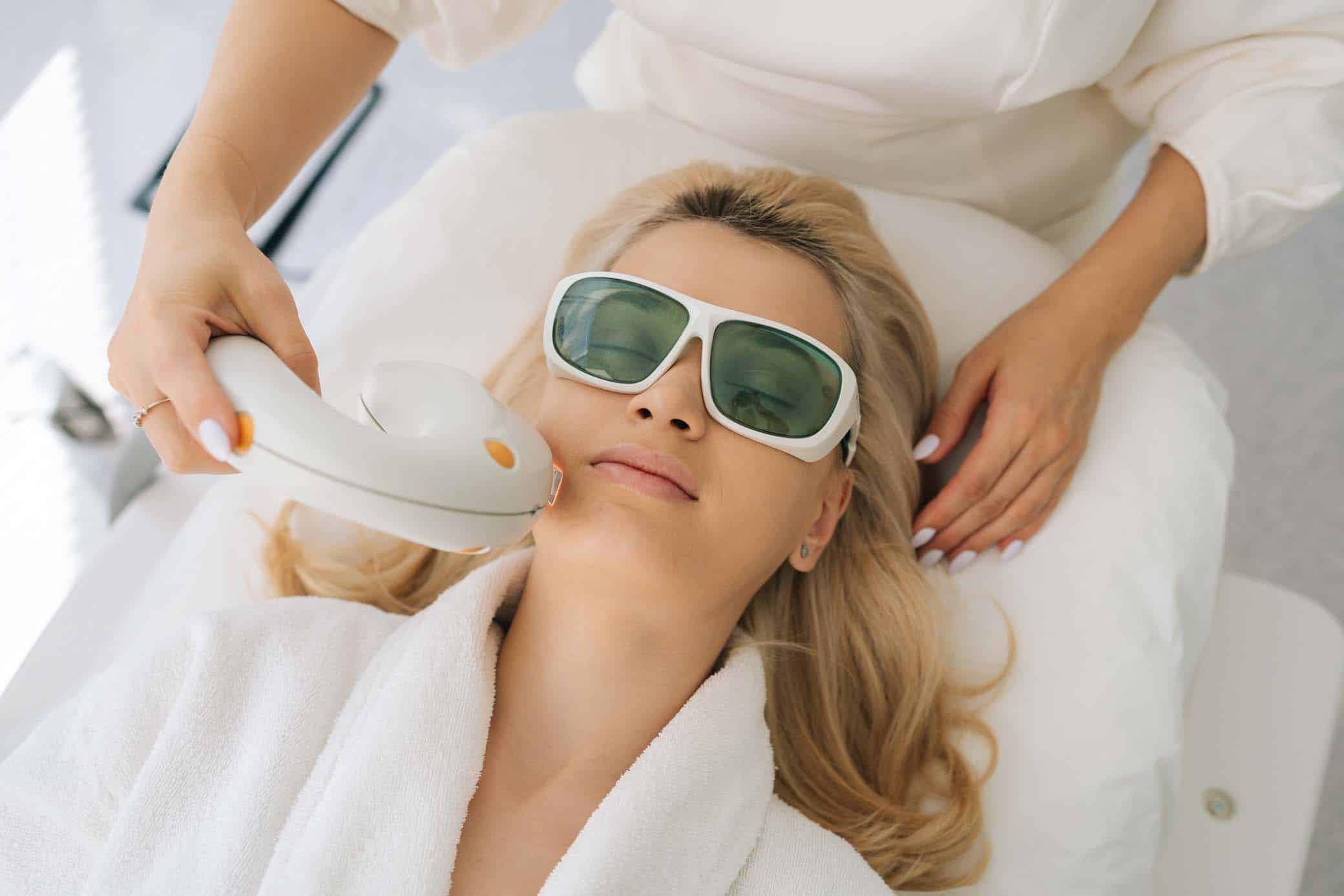
Introduction to Laser Technology in Aesthetics
Laser technology has revolutionized cosmetic procedures by offering non-invasive solutions with precise targeting and minimal recovery time. From tattoo removal to skin rejuvenation, lasers provide effective results for various concerns. This article explores the evolution of laser treatments, key device types, their applications, regional trends, and essential factors to consider before undergoing a procedure.
Key Laser Types and How They Work
Picoway Resolve 532
The Picoway Resolve 532 laser emits high-energy pulses that target melanin, making it ideal for treating pigmentation issues, sunspots, and post-inflammatory hyperpigmentation. It works best on lighter to medium skin tones (Fitzpatrick I–III) and offers quick results with minimal downtime. This laser is often combined with other treatments like chemical peels for enhanced outcomes.
Picosure Laser
Renowned for tattoo removal, the Picosure Laser uses picosecond pulses to fragment ink particles. Its ultra-short bursts minimize tissue damage and scarring, making it effective for multicolored and light-colored inks (including yellow and white). It is a top choice in cities with dense tattoo culture such as San Francisco and Austin.
Fractional Lasers
Fractional lasers create microscopic wounds in the skin to stimulate collagen and elastin production, reducing wrinkles and improving texture. Available in ablative and non-ablative versions, they suit all skin types and ages. Non-ablative options involve less downtime, making them popular for facial rejuvenation.
Alexandrite Lasers
Commonly used for hair removal, Alexandrite lasers emit a wavelength absorbed by melanin in hair follicles. They are highly effective on fair skin with dark hair and are safe for sensitive areas like the face and bikini line. Clinics in Chicago and Miami frequently invest in these machines for their efficiency.
Primary Applications of Laser Treatments
Tattoo Removal
Multiple sessions target specific ink layers, gradually breaking particles down for absorption by the body. The number of sessions depends on ink color, size, and depth. The Picosure Laser excels in this area due to its precision and reduced risk of scarring.
Wrinkle Reduction
Lasers stimulate collagen production, plumping the skin and diminishing fine lines. Results become more apparent over several weeks as the skin regenerates. Fractional lasers are particularly effective for the face, neck, and décolletage.
Hair Removal
Energy delivered to hair follicles inhibits regrowth, with optimal results on dark, coarse hair. Multiple sessions (typically 6–8) lead to long-term reduction or permanent loss. Alexandrite and diode lasers are common for this purpose.
Pigmentation Correction
Lasers break down melanin in dark spots, sun damage, and melasma. Treatments may be combined with topical agents or chemical peels to even skin tone. The Picoway Resolve 532 is a leading option for this indication.
Regional Popularity of Laser Treatments
Picoway Resolve 532 in New York, Los Angeles, and Sydney
In New York City, this laser is paired with microdermabrasion for radiant skin. Los Angeles uses it extensively for sunspot removal, while Sydney clinics recommend it for clients with lighter skin tones.
Picosure Laser in San Francisco and Austin
San Francisco employs the Picosure Laser for complex multicolor tattoos, while Austin residents favor it for previously hard-to-remove designs. Its ability to handle light inks makes it versatile.
Commercial Laser Hair Removal Machines in Chicago and Miami
Chicago clinics invest in Alexandrite lasers to serve diverse skin tones, and Miami’s warm climate drives demand for long-term hair reduction. These machines enable safe, personalized treatments.
Benefits of Choosing Laser Treatments
Precision: Targets only the intended area, sparing surrounding tissue and reducing side effects.
Minimal Downtime: Most procedures allow immediate return to daily activities.
Long-Lasting Results: With proper care, effects like permanent hair reduction or sustained skin improvement are achievable.
Versatility: Suits various skin types and concerns, thanks to adjustable wavelengths and intensities.
Considerations Before Treatment
Skin Type Compatibility
Consult a qualified professional to match the laser to your skin type. Darker skin carries higher risk of hyperpigmentation; appropriate settings or alternative devices may be needed.
Potential Side Effects
Temporary redness, swelling, or discomfort are common and resolve quickly. Adhering to post-care instructions minimizes complications.
Cost Implications
Treatments vary in cost based on type, area size, and number of sessions. Budget for multiple appointments; ask clinics about packages or financing.
Frequently Asked Questions
What happens during a session?
You wear protective eyewear while the technician applies the laser. You may feel a snapping sensation or heat, often mitigated by a cooling device.
How many sessions are needed?
Tattoo removal requires 6–12 sessions; hair removal typically needs 6–8. Exact numbers depend on individual factors.
What preparations are required?
Avoid sun exposure for 4–6 weeks before treatment. Stop using exfoliating products 2–3 days prior.
Can I resume normal activities immediately?
Most patients can return to work instantly but should avoid sweating, friction, or water exposure for 24–48 hours post-treatment.
The Future of Laser Technology
Ongoing innovations promise even greater precision, safety, and efficacy. Emerging devices will expand possibilities for personalized aesthetic care, ensuring that laser treatments remain at the forefront of non-invasive cosmetic solutions.