Metal Roofing Guide: Benefits, Costs, Types & Installation Tips
Explore the durability, energy savings, and material options of metal roofing. Compare costs of steel, aluminum, copper, and zinc vs traditional shingles.
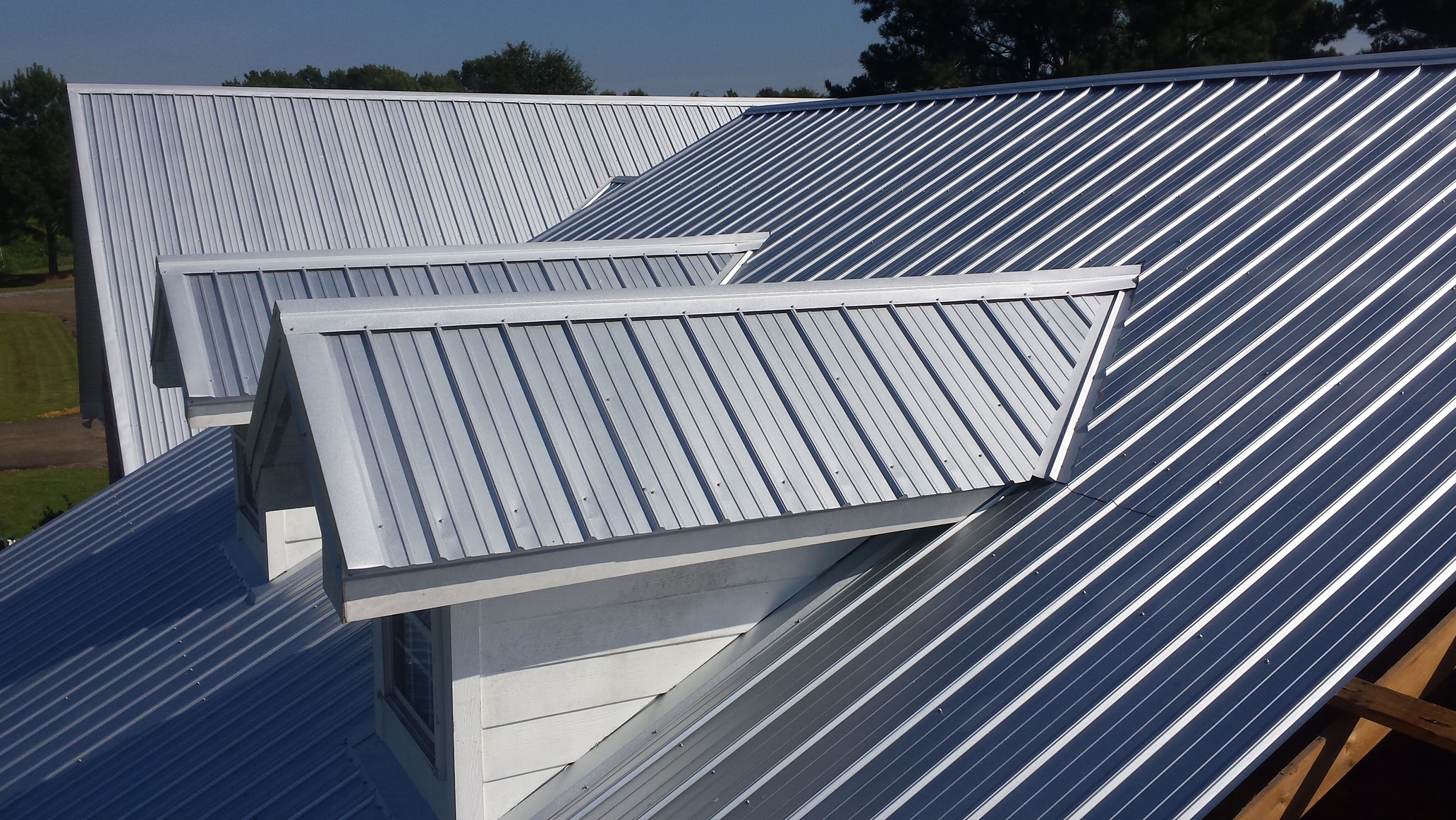
Metal Roofing: A Smart Long-Term Investment
More homeowners are turning to metal roofing for its remarkable longevity and performance. Unlike asphalt shingles that need replacement every 15–30 years, a well-installed metal roof can last 40 to 70 years or more. Metal roofs resist extreme weather—high winds, heavy snow, hail, and even wildfires—making them a resilient choice for any climate. Beyond durability, they reflect solar heat, cutting cooling costs by up to 25%. And because metal roofing is often made from recycled materials and is fully recyclable at end of life, it supports sustainable living.
Cost Comparison: Metal vs Traditional Roofing
The table below outlines average costs per square foot and lifespans for common roofing materials (data from HomeAdvisor). While metal roofs have a higher upfront price, their extended lifespan and lower maintenance deliver better value over time.
| Material | Avg Cost per Sq Ft | Lifespan (Years) |
|---|---|---|
| Asphalt Shingles | $3 – $5 | 15–30 |
| Wood Shingles | $6 – $9 | 20–25 |
| Clay Tiles | $10 – $18 | 50+ |
| Concrete Tiles | $9 – $12 | 40–60 |
| Steel Roofing | $5 – $12 | 40–70 |
| Aluminum Roofing | $8 – $15 | 40+ |
| Copper Roofing | $15 – $30 | 70+ |
Types of Metal Roofing Materials
Each metal offers unique advantages:
Steel – Strong, affordable, and commonly coated with zinc or aluminum to prevent rust. Galvanized steel is a popular choice for its durability and corrosion resistance.
Aluminum – Lightweight and naturally corrosion-resistant, ideal for coastal areas where salt spray is a concern. It maintains its appearance with minimal upkeep.
Copper – Known for its distinctive look and extreme longevity. Over time it develops a green patina that adds character. Copper is also highly conductive, making it a good substrate for solar panels.
Zinc – Exceptionally durable with self-healing properties (scratches fade over time). It is biocidal, inhibiting algae and moss growth.
Tin – Once common for its low cost, tin roofs are less used today but remain a viable option for specific applications.
Key Benefits of Metal Roofs
Durability & Longevity – Withstand high winds, heavy rain, snow, and fire. Resistant to rot, pests, and mildew. Properly installed, a metal roof can last several decades with minimal repairs.
Energy Efficiency – Reflective coatings reduce heat absorption, lowering air conditioning costs by 10–25%. Pairing with insulation maximizes savings.
Environmental Sustainability – Made from recycled content and fully recyclable at end of life. Choosing metal reduces landfill waste and supports a circular economy.
Aesthetic Appeal – Available in a wide range of colors, finishes, and profiles (standing seam, corrugated, scalloped). Customizable to match any architectural style.
Fire Resistance – Non-combustible; Class A fire rating. Especially valuable in wildfire‑prone regions where building codes may require fire‑resistant roofing.
Choosing the Right Metal Roof for Your Home
Consider the following factors:
Budget – Copper and zinc are premium options; steel and aluminum offer excellent value. Factor in long‑term savings from energy efficiency and low maintenance.
Climate – Aluminum resists salt corrosion for coastal homes. In snowy areas, smooth‑surface metal sheds snow more easily than textured materials.
Style – Standing seam suits modern designs; corrugated panels work with rustic or industrial looks. Choose colors that complement your home’s exterior.
Installation – Always hire experienced metal roofing contractors. Improper fastening or flashing can lead to leaks. A quality installation ensures optimal performance and warranty coverage.
Additional Outdoor Solutions: Solar Pergolas & Retractable Roofs
Metal roofing integrates well with modern outdoor living features. Solar pergolas combine shade with renewable energy: photovoltaic panels mounted on the structure generate electricity to power lights, heaters, or your home. Retractable roofs offer flexibility—open for sunlight, close for protection—allowing you to control light and ventilation. Pairing a pergola roof with sliding glass doors and zip screens creates a seamless indoor‑outdoor space, shielded from insects and debris.
Frequently Asked Questions
How long does a metal roof last?
With proper maintenance, a high‑quality metal roof can last 40–70 years, depending on the material. Steel and aluminum typically serve 40+ years; copper and zinc can exceed 70 years.
What maintenance does a metal roof need?
Regular inspections and removal of debris (leaves, branches) prevent water pooling. Check for dents, scratches, or rust spots. Professional inspections every 3–5 years help catch minor issues early.
Can solar panels be installed on a metal roof?
Yes. Modern mounting brackets attach directly to the standing seams or through fasteners without compromising the roof’s weather‑tightness. Metal roofs provide a solid foundation for solar arrays.
Is metal roofing cost‑effective compared to asphalt?
While upfront costs are higher, the long‑term benefits—lower energy bills, fewer repairs, extended lifespan—often result in a lower total cost of ownership. Increased property value is an added advantage.
Which regions benefit most from metal roofing?
Areas with extreme weather—hurricanes, hailstorms, heavy snow, or wildfires—gain the most from metal’s durability. Homes in coastal zones benefit from aluminum’s corrosion resistance.