Utility Trailer Pricing Guide: Types, Materials, and Buying Tips for First-Time Shoppers
Discover how materials, size, features, and market conditions affect utility trailer prices. Plus essential buying tips for first‑time shoppers.
Understanding Utility Trailer Varieties
Utility trailers come in several configurations to match different hauling tasks. Choosing the right design improves efficiency and safety. Below are the most common types and their typical uses.
Single Axle Trailers
These lightweight units handle loads up to 3,500 pounds, making them perfect for lawn equipment, small furniture, and light debris. Their compact size offers easy maneuvering and storage.
Tandem Axle Trailers
With two axles, these trailers provide stability and a higher weight capacity—often between 7,000 and 10,000 pounds. They are suitable for construction materials, ATVs, or other heavy items.
Tilt Trailers
A tilt bed eliminates the need for ramps by allowing the deck to pivot to the ground. This design simplifies loading mowers, motorcycles, and other wheeled equipment with minimal effort.
Trailers with Ramps
Ramps can be stored on the trailer and deployed when needed. They offer a versatile solution for loading ATVs, lawnmowers, and comparable gear, balancing convenience with ease of use.
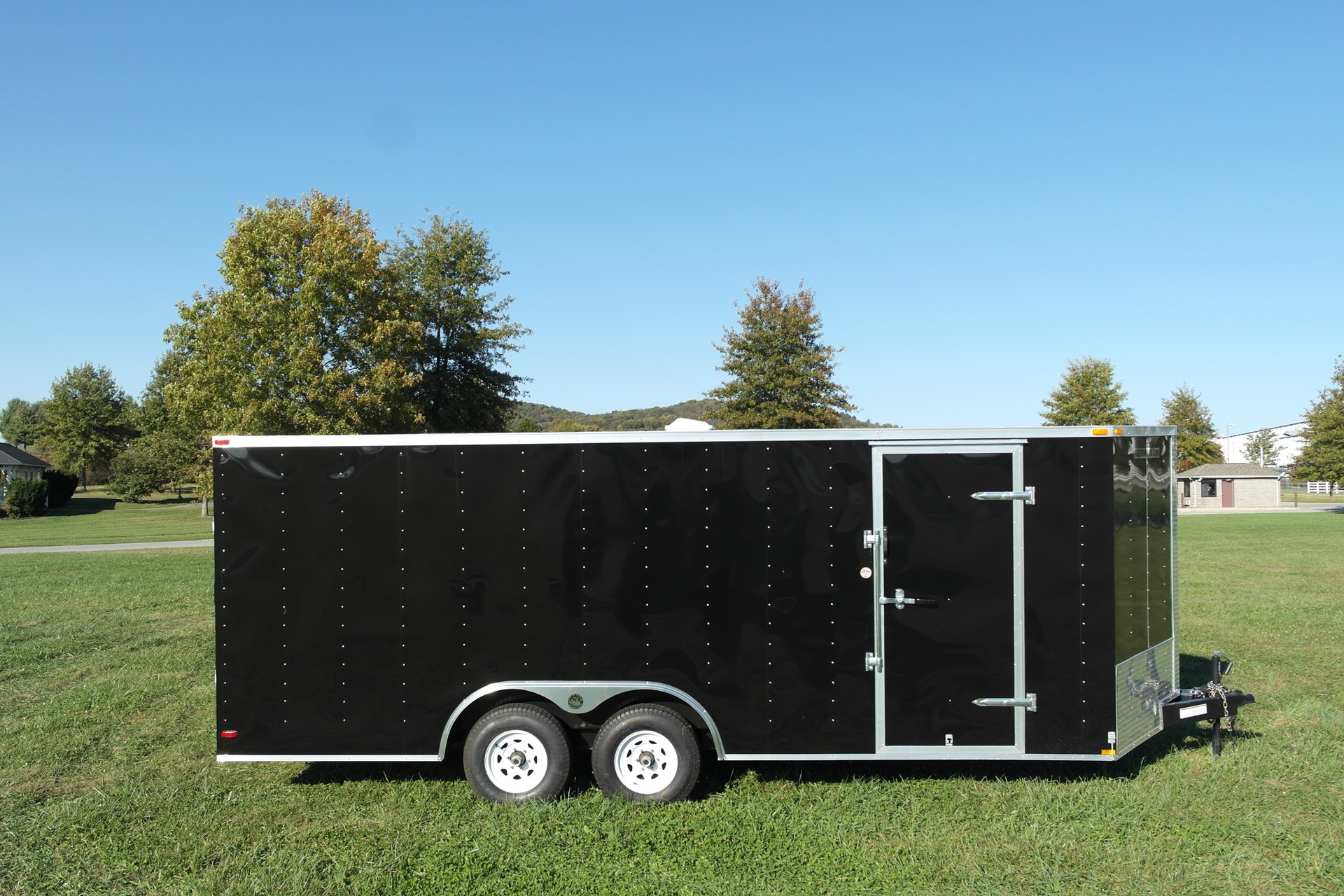
Enclosed Utility Trailers
These fully enclosed units protect cargo from weather and theft. They are ideal for valuable tools, equipment, or items that require security during transport. Sizes vary widely to suit different needs.
Key Factors Behind Utility Trailer Pricing
Several elements determine the final cost of a utility trailer. Understanding these helps you evaluate what you are paying for and make a sound purchase decision.
Materials
Steel grade and thickness are major cost drivers. Aluminum trailers cost more because the material is lighter and corrosion-resistant. Wood decking also varies in price depending on type and treatment.
Size and Capacity
Larger trailers with higher Gross Vehicle Weight Ratings (GVWR) require more raw materials and heavier-duty components. Longer, wider, and taller models naturally cost more.
Features and Customization
Options such as ramps, side rails, tie-downs, specialized flooring, upgraded lighting, or custom paint add to the base price. More features increase convenience but also the final cost.
Manufacturing Costs
Labor rates, automation levels, and production overhead affect pricing. Trailers built in regions with higher wages may be more expensive. Larger production runs can offer economies of scale.
Brand and Reputation
Well‑known brands often command a premium due to perceived quality, durability, warranty coverage, and customer support. A trusted name can justify a higher upfront investment.
Market Demand and Economic Conditions
When demand is high, prices rise. During economic downturns, manufacturers may compete by lowering prices. Fluctuations in steel and aluminum costs directly impact trailer prices.
Location and Shipping
Geographic distance from the manufacturing plant adds shipping expenses that are passed on to the buyer. Local taxes, tariffs, and regional market conditions also influence the final price you pay.
Axles and Suspension
Tandem axles cost more than single axles but provide better stability and weight distribution. Upgraded suspension systems like torsion axles offer a smoother ride but at a higher price point.
Essential Tips for First‑Time Utility Trailer Buyers
Investing in a utility trailer requires careful thought. Follow these steps to choose a model that fits your needs without overspending.
1. Define Your Hauling Needs
Determine what you will regularly haul—landscaping debris, ATVs, furniture, or construction materials. Knowing the typical weight, size, and type of cargo guides your choice of trailer size, GVWR, and features.
2. Choose the Right Size and Capacity
Utility trailers range from 4x6 feet to 7x16 feet. Pay attention to the GVWR, which includes the weight of the trailer itself. Select a trailer with a GVWR exceeding your maximum expected load.
3. Select the Trailer Type
Single axle trailers work best for lighter loads and tighter spaces. Tandem axle trailers provide better stability for heavier loads and more frequent use. Match the axle configuration to your primary hauling tasks.
4. Inspect Build Quality
Examine welding, frame strength, and materials. Check the floor—treated wood or steel are common choices. Ensure all lighting (brake lights, turn signals, running lights) meets safety standards.
5. Evaluate Tires and Suspension
Look for tires in good condition with proper inflation and tread depth. Leaf spring suspensions are standard and reliable; torsion axles offer a smoother ride for heavy or frequent use.
6. Consider Useful Add‑ons
Ramp gates, side rails, spare tires, and tie‑down systems improve convenience and safety. While they increase cost, they can greatly enhance the trailer’s functionality for your specific tasks.
7. Verify Documentation and Legality
Ensure the trailer comes with a title or Manufacturer’s Certificate of Origin (MCO). Confirm the VIN is legible and matches paperwork. Understand your state’s registration requirements before buying.
8. Set a Budget and Research Prices
Determine your spending limit early. Compare prices from multiple dealers and private sellers. Focus on quality and reliability rather than choosing the absolute cheapest option.
9. Perform a Thorough Pre‑Purchase Inspection
Before buying, check for rust, damage, or wear. Test lights and brakes. If possible, tow the trailer briefly to assess its handling and stability.