Risk-Free Investing: Master Markets with Simulation Tools and Virtual Accounts
Learn investing without financial risk using simulation tools, demo accounts, and core strategies. Build confidence and refine your approach.
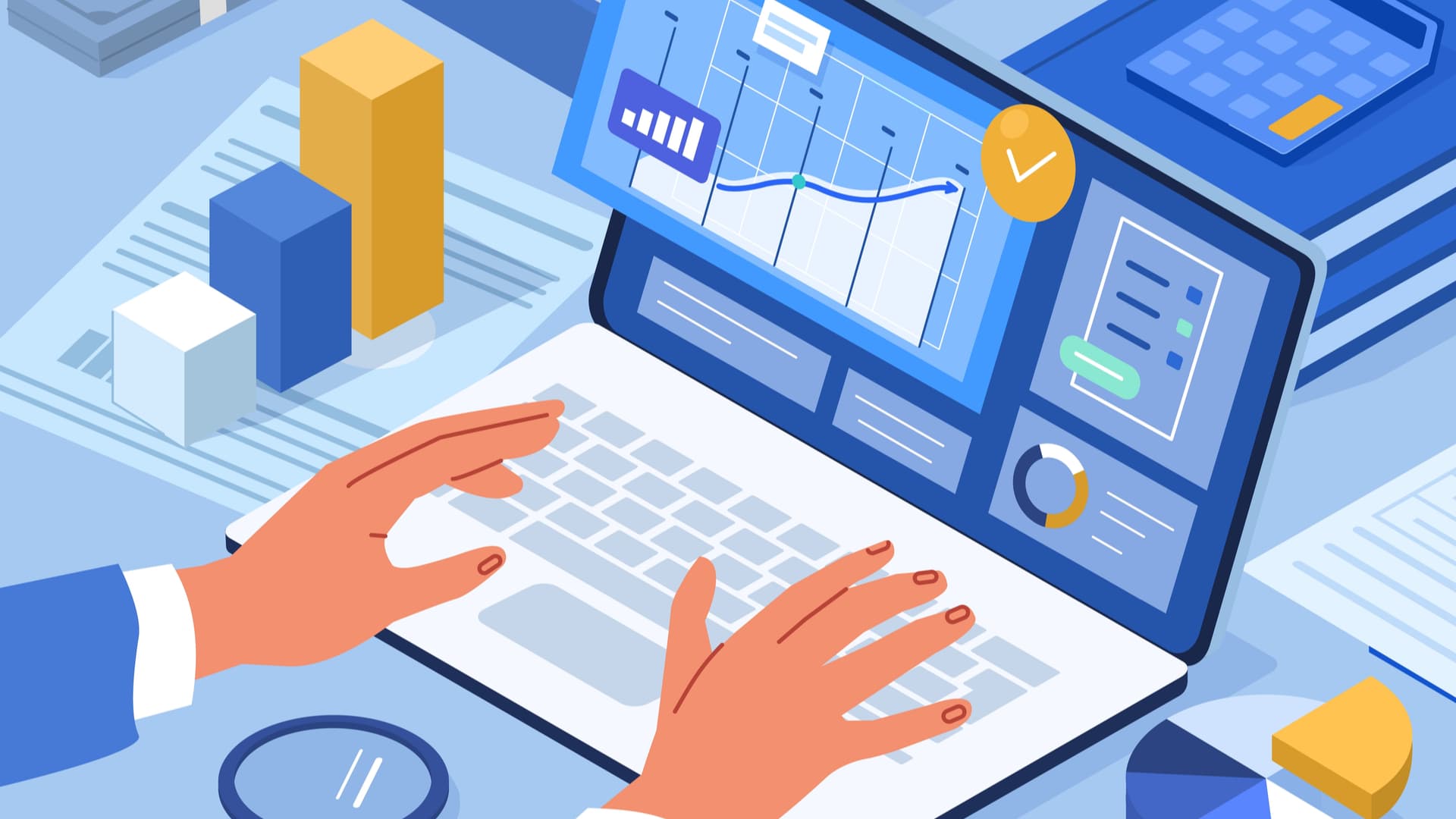
Start Investing Without Risk: The Power of Simulated Environments
Entering the stock market can feel intimidating when your own money is on the line. Fortunately, modern tools allow you to practice, experiment, and build confidence before committing a single dollar. Simulation platforms, demo accounts, and virtual trading environments offer a risk-free playground where you can learn market dynamics, test strategies, and develop discipline. This article lays out how to leverage these resources effectively, from AI-powered simulators to core portfolio strategies, so you can start your investment journey with a solid foundation.
AI and Quantum Simulation Tools: The Next Generation of Practice
1. AI-Powered Market Simulations
Artificial intelligence is reshaping how investors practice. Modern simulation tools use AI to generate realistic market conditions, factoring in economic indicators, news sentiment, and historical patterns. Generative AI can even create synthetic data to simulate rare events like sudden crashes or inflationary periods. This capability lets you stress-test your portfolio without waiting for real-world crises. The global market for generative AI in trading is expanding rapidly, reflecting its value in improving decision-making and risk management.
2. Quantum Computing on the Horizon
Quantum computing promises to take simulations even further. Though still emerging, quantum systems can process vast datasets and complex calculations far beyond classical computers. Future simulations will offer unprecedented accuracy in risk and portfolio analysis, giving investors deeper insights into market behavior. As the technology matures, it will become a standard tool for both beginners and professionals.
Virtual Accounts and Paper Trading: Your Personal Flight Simulator
What Are Virtual Accounts?
Also called demo or paper trading accounts, these are free simulated environments offered by most online brokers. You receive a virtual balance (often $50,000–$100,000) and can trade real-time markets using actual prices. It replicates the experience of a live account without financial risk.
Key Benefits
Risk-free learning: Mistakes cost nothing but teach valuable lessons.
Strategy development: Test asset allocations, technical analysis, or day trading approaches.
Platform familiarity: Learn order types, charting tools, and platform features before using real money.
Emotional discipline: Experience the psychological ups and downs without financial consequences.
How to Maximize Your Demo Experience
Treat your virtual funds as if they were real. Set specific goals, keep a trading journal, and analyze every win and loss. Avoid reckless trades; instead, practice the same discipline you would use with real capital. Patience and consistency will turn your demo practice into real-world readiness.
Building a Strategy Without Risk: Core Portfolio and Risk Management
1. Start with a Core ETF Portfolio
One of the safest ways to learn is by building a core portfolio of broad-market ETFs. These funds hold hundreds of stocks, providing instant diversification. Focus on low expense ratios and automate contributions through dollar-cost averaging. This approach reduces the need for active stock picking and market timing, letting you experience long-term growth with minimal stress.
2. Master Risk Management
Whether paper trading or investing real money, never risk more than you can afford to lose. Define stop-loss levels, maintain a favorable risk-to-reward ratio, and stick to your plan. A trading journal helps you identify patterns and improve decision-making over time.
3. Seek Guidance
Financial advisors, robo-advisors, and wealth managers can help tailor strategies to your goals. Stay informed by following reputable news and industry reports. Combining professional advice with hands-on practice accelerates your learning curve.
Transitioning from Demo to Real-Money Investing
Once you feel confident with your demo account, start small. Allocate a modest amount of real capital—an amount you can afford to lose—and apply the same strategies you practiced. Continue to educate yourself on market trends and risk management. The skills and discipline you developed in simulation will carry over, giving you a strong start.
Frequently Asked Questions
How can I start learning to trade without spending any money?
Use free demo accounts and investment simulators offered by many brokers. They provide virtual money and real market data, letting you practice risk-free.
What are the benefits of investment simulators for beginners?
They offer risk-free learning, strategy testing, platform familiarization, and emotional discipline practice—all without financial loss.
Can demo accounts help me make money in the long run?
Yes. The skills and confidence you build lead to better decisions when you start investing real money. Demo accounts themselves don't generate profits, but they lay the groundwork for success.
Are there platforms that offer free virtual capital?
Yes, many brokers provide promotional demo accounts with virtual balances. Always read terms—they are for educational purposes, not real cash.
What steps should I take to transition from demo to real trading?
Treat your demo seriously, set realistic goals, start with small real amounts, and continue learning. Maintain discipline and risk management as you make the switch.