PPC Strategies for Small Business Growth: Targeting, Optimization & ROI
Precise keyword targeting, geotargeting, retargeting, and PPC-SEO integration help US small businesses maximize ad ROI.
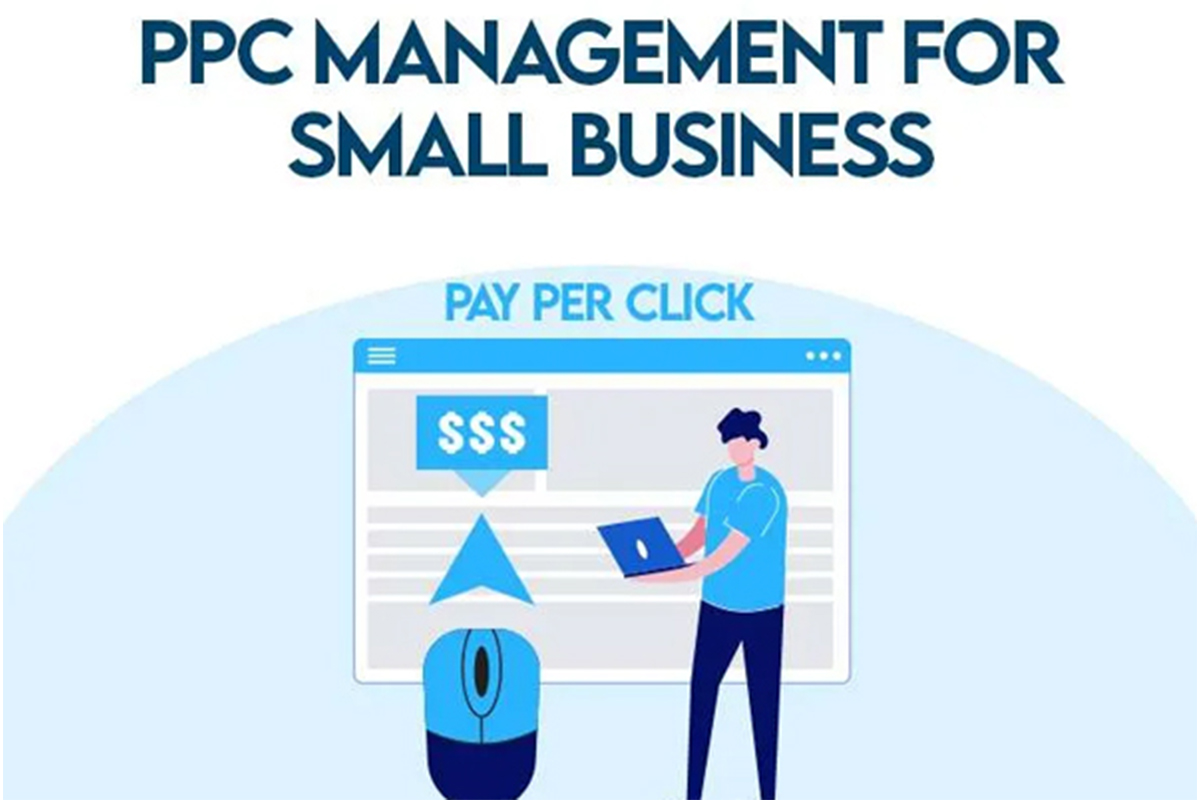
Precision Targeting for Maximum Impact
Mastering Keyword Intent and Negative Keywords
For small businesses in the United States, effective advertising hinges on reaching the right audience at the right moment. Rather than casting a wide net with generic terms, successful campaigns focus on high-intent keywords that signal a readiness to buy or engage. By identifying phrases with clear commercial intent, companies ensure their budget is spent on clicks likely to convert. Equally important is the use of negative keywords—terms that filter out irrelevant traffic. For instance, a corporate law firm should exclude searches for "legal advice" or "lawyer salary" to avoid wasted spend. This subtraction method, applied consistently through weekly search query analysis, keeps campaigns lean and efficient. A/B testing ad copy alongside these refined keywords further improves performance, allowing small operations to compete with larger rivals through smarter spending.
Hyper-Local Geotargeting Strategies
Local businesses can leverage their community connection through detailed location targeting. Instead of broadcasting statewide, campaigns can zero in on specific zip codes, neighborhoods, or a radius around the store. A coffee shop might target a five-block radius during morning hours, while a home contractor focuses on suburbs with older homes. This granular approach transforms an ad into a relevant, neighborly suggestion, boosting trust and click-through rates. The table below compares targeting methods and their strategic value.
| Targeting Approach | Scope & Audience | Typical Outcome | Strategic Value |
|---|---|---|---|
| Broad Reach | Entire states or wide metro areas; general interest groups. | High traffic volume but low engagement; budget drains on irrelevant clicks. | Low. Often results in wasted spend for local entities. |
| Radius Targeting | Strict distance (e.g., 5 miles) from business location. | Moderate traffic; reaches users who can realistically visit or use the service. | High. Captures "near me" search intent effectively. |
| Demographic Layering | Specific areas combined with age, income, or parental status. | Lower traffic volume but extremely high relevance and conversion potential. | Very High. Ensures the ad speaks to the specific ideal customer profile. |
Optimizing the User Journey
Aligning Ad Copy with Landing Page Expectations
A seamless transition from ad to landing page is critical. When a user clicks an ad promising a specific offer, the landing page must deliver exactly that. If the ad mentions "emergency plumbing repair," the page should prominently display a phone number and 24/7 availability—not a blog about remodeling. This "message match" builds immediate trust and reduces bounce rates. With the majority of US local searches happening on smartphones, mobile optimization is essential: fast load times, large buttons, and legible text. Continuous testing of headlines, CTAs, and images further improves conversion rates.
Re-engaging Potential Customers with Retargeting
Most visitors don't convert on their first visit. Retargeting uses a tracking pixel to show follow-up ads to previous visitors as they browse other sites or social media. For a local boutique, this might display the specific dress viewed; for a service provider, a seasonal promotion reminder. Effective retargeting feels like a gentle nudge rather than a hard sell. By segmenting audiences based on behavior—e.g., homepage viewers vs. cart abandoners—businesses can tailor incentives like first-time discounts or free consultations, turning hesitation into conversion.
Integrating Paid and Organic Search
The Strategic Blend of PPC and SEO
Paid search (PPC) delivers instant visibility, while organic search (SEO) builds long-term authority. Combining them creates a dominant search presence. Data from paid campaigns can inform content strategy: high-converting keywords should become blog topics. Conversely, gaps in organic rankings can be filled with targeted ads. The table below shows how to balance focus based on business goals.
| Business Goal | Recommended Focus | Role of Paid Ads (PPC) | Role of Organic Content (SEO) |
|---|---|---|---|
| Immediate Lead Generation | PPC Dominant | Primary driver. Captures high-intent searches instantly. | Secondary support. Builds trust for users researching after seeing an ad. |
| Brand Authority & Awareness | Balanced Approach | Target competitors' audiences and high-volume terms. | Primary driver. Educational content establishes expertise. |
| Long-Term Cost Efficiency | SEO Dominant | Strategic support only for highly competitive keywords. | Primary driver. Reduces reliance on ad spend over time. |
Frequently Asked Questions
How is "Quality Score" calculated in PPC, and what is its impact? Quality Score is based on expected click-through rate, ad relevance, and landing page experience. A higher score lowers cost-per-click and improves ad rank for the same bid.
What is the ideal structure for Campaign, Ad Group, and Keyword? Campaigns hold broad settings, Ad Groups contain tightly themed keywords, and Keywords trigger specific ads, creating a logical hierarchy from general to specific.
What is the difference in user intent between Search Network and Display Network ads? Search ads target users with active, declared intent (they are searching), while Display ads target users with passive or potential interest based on browsing behavior.