Atrial Fibrillation Explained: Symptoms, Triggers, Prevention & Treatment Options
Learn about atrial fibrillation symptoms, common triggers like alcohol and caffeine, prevention strategies, and treatment options including medication and catheter ablation.
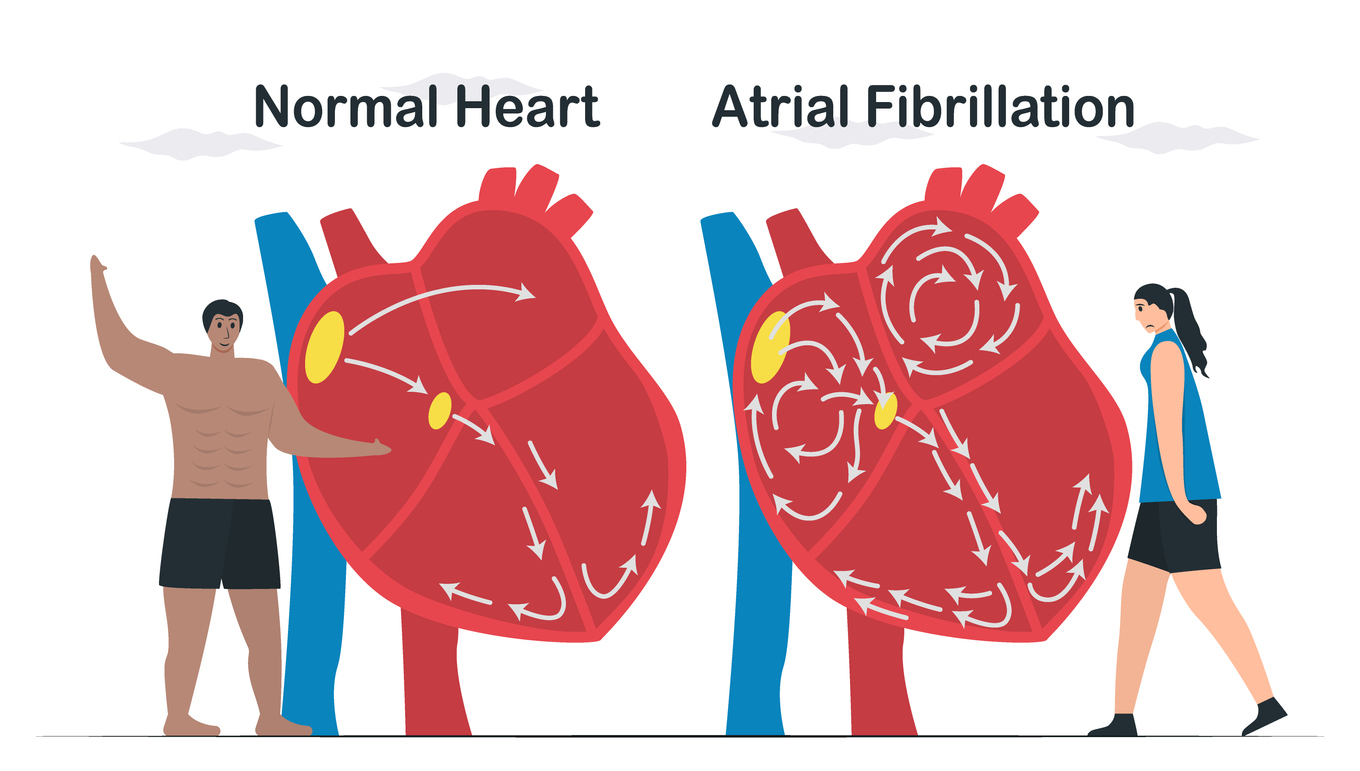
What Is Atrial Fibrillation?
Atrial fibrillation (AFib) is a common heart rhythm disorder in which the upper chambers (atria) beat chaotically and irregularly instead of contracting effectively. This quivering can reduce blood flow, raising the risk of clot formation and stroke. AFib episodes can be intermittent, persistent, or permanent, and symptoms range from mild palpitations to severe shortness of breath.
Recognizing Afib Symptoms
During an AFib episode, the atria may race at 300–600 beats per minute while the ventricles beat more slowly but irregularly. Common symptoms include:
Palpitations: A fluttering, pounding, or racing sensation in the chest that may cause anxiety.
Shortness of breath: Reduced oxygen delivery leads to breathlessness, especially during physical activity such as climbing stairs.
Fatigue, dizziness, chest discomfort: Some people also feel lightheaded or have chest pain.
Common Triggers of Atrial Fibrillation
Identifying and avoiding triggers can help reduce episode frequency. Two well‑studied triggers are:
Alcohol Consumption
Excessive alcohol intake irritates the heart’s electrical system. The American Heart Association notes that moderate consumption (more than 14 drinks per week for men, 7 for women) increases AFib risk. Alcohol raises blood pressure, disrupts electrolyte balance (potassium, magnesium), and promotes inflammation—all of which can provoke an episode.
Caffeine
While moderate caffeine intake is generally safe, it can trigger AFib in sensitive individuals. Caffeine blocks adenosine (a calming neurotransmitter) and releases adrenaline, increasing heart rate and electrical activity. Effects vary by person—some tolerate higher amounts without issues, while others are vulnerable.
How to Prevent Afib Episodes
Prevention focuses on managing triggers and underlying health conditions:
Lifestyle modifications: Limit alcohol and caffeine, practice stress‑reduction techniques (meditation, exercise), maintain a healthy weight, and eat a balanced diet rich in fruits, vegetables, whole grains, and lean proteins. Avoid processed foods, high‑fat items, and excess salt.
Treat underlying conditions: Effectively manage sleep apnea (with CPAP therapy), high blood pressure, and diabetes through medications, diet, and regular check‑ups. Controlling these conditions reduces strain on the heart and lowers AFib risk.
Comparing Treatment Options for Afib
| Treatment Option | How It Works | Pros | Cons |
|---|---|---|---|
| Medication (Antiarrhythmic Drugs) | Block or alter electrical signals to restore normal rhythm (classes I–IV target sodium, beta‑receptors, potassium, or calcium channels). | Convenient oral intake; effective short‑term control; non‑invasive. | Side effects (nausea, dizziness, risk of new arrhythmias); drug interactions; may not provide long‑term control; recurrence possible. |
| Cardioversion (Electrical or Chemical) | Electrical: shock delivered via paddles/patches under sedation. Chemical: ibutilide or procainamide to convert rhythm. | Rapid restoration of normal rhythm; can be definitive for recent AFib with normal heart structure. | Sedation risks (allergy, breathing problems); rare burns or muscle damage; chemical side effects (hypotension, arrhythmias). |
| Catheter Ablation | Catheter inserted via groin blood vessel to heart; radiofrequency or cryoenergy destroys abnormal electrical tissue. | Long‑term solution for many; minimally invasive; shorter recovery than open surgery; improved quality of life. | Risks of bleeding, infection, damage to heart/vessels; recurrence possible; may need multiple procedures; success varies by AFib type, duration, age, and other conditions. |
Frequently Asked Questions
Can atrial fibrillation be cured completely?
In some cases, especially when caught early and treated appropriately (e.g., ablation), AFib can be eliminated. However, for many it becomes a chronic condition requiring long‑term management. Even after successful treatment, recurrence is possible, so follow‑up care is essential.
Are there any natural remedies for atrial fibrillation?
No natural remedy replaces medical treatment, but lifestyle changes—such as a heart‑healthy diet, regular exercise, stress management, and limiting alcohol/caffeine—can help. Supplements like omega‑3 fatty acids (found in fish oil) may support heart health but should be used only under a doctor’s supervision, as they can interact with medications.