Virtual Health Programs for Seniors: Access, Careers & Benefits in Telehealth
Explore how virtual health programs enhance senior care, overcome mobility barriers, and unlock telehealth career paths in remote monitoring and digital health.
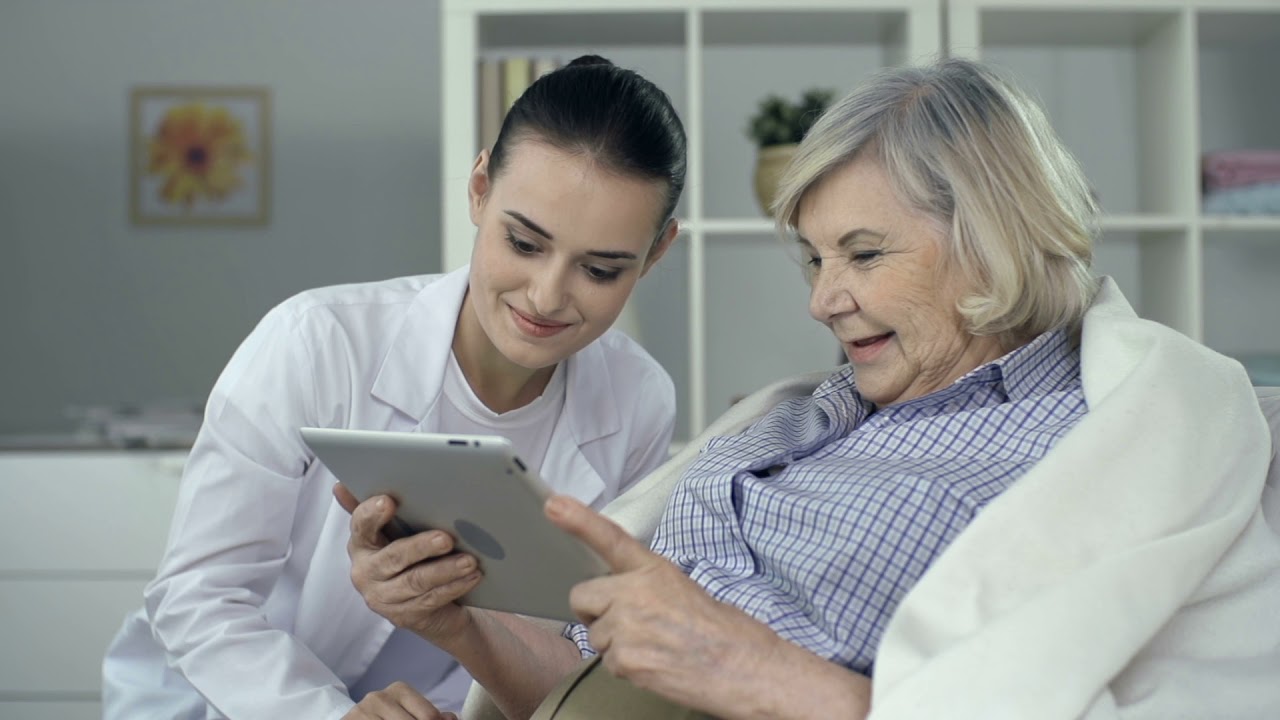
Virtual Health Programs: Redefining Senior Care
Virtual health programs use digital tools to deliver remote healthcare services, dramatically improving access and convenience for seniors. By leveraging telemedicine, remote patient monitoring (RPM), mobile health (mHealth), and digital therapeutics, these initiatives overcome location and mobility barriers while enabling proactive, tailored treatment plans.
Core Components
Telemedicine allows video or phone consultations with providers. RPM involves wearable devices that track vitals and alert caregivers to changes. mHealth apps offer medication reminders and fitness tracking. Digital therapeutics deliver software-based interventions like cognitive behavioral therapy for mental health. Together, these components create a comprehensive virtual care ecosystem.
Benefits for Older Adults
Virtual care reduces the need for travel, cutting exposure to contagious illnesses in waiting rooms. Seniors in rural areas gain access to specialists. Personalized remote monitoring helps manage chronic conditions more effectively, leading to fewer hospital readmissions. Social features like online support groups combat isolation, improving mental wellbeing.
Career Opportunities
The expansion of virtual health generates job growth across clinical, technical, and administrative roles. Telehealth nurses and physicians deliver remote consultations. IT professionals build and secure platforms. Program managers coordinate services, while emerging roles like virtual health coaches and RPM specialists personalize care. Demand is rising as healthcare increasingly adopts digital models.
Challenges and Outlook
Data security, equitable access to technology, and reimbursement policies remain hurdles. Interoperability between platforms and EHRs is critical. Despite these obstacles, virtual health programs are poised to become a standard part of senior care, offering a safer, more convenient path to aging in place.