Smartwatches for Glucose Monitoring: A Complete Guide to Wearable Health Tech
Explore smartwatches for glucose monitoring: CGM tech, key features, FDA approvals, and future trends.
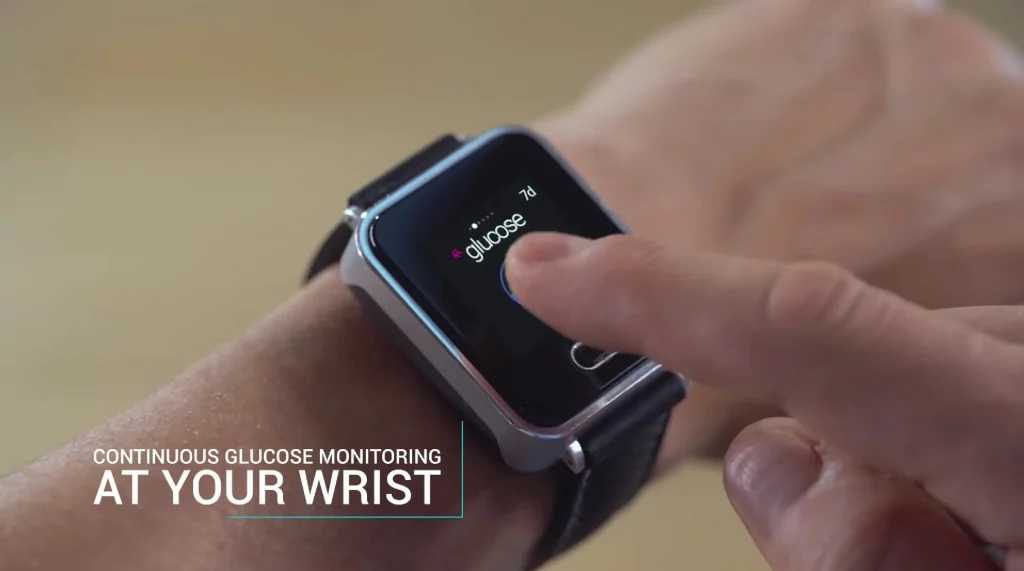
The Rise of Smartwatches for Glucose Monitoring
How Continuous Glucose Monitoring Works
Continuous glucose monitoring (CGM) is the core technology enabling smartwatches to track sugar levels. A small sensor inserted under the skin measures glucose in interstitial fluid and transmits data wirelessly to a smartwatch. The watch displays real-time levels, trends, and alerts for high or low readings, eliminating the need for frequent finger pricks. This allows users to manage diabetes or glucose awareness proactively.
Key Features to Consider
When selecting a smartwatch for glucose monitoring, prioritize accuracy, reliable sensors, long battery life, comfort, and a clear display. Compatibility with CGM systems and health apps is essential. Look for devices that can sync seamlessly with smartphones and other platforms.
Regulatory Approvals and FDA Clearance
In the US, the FDA regulates smartwatches marketed as medical devices. Devices must demonstrate safety and efficacy through rigorous testing. While no standalone smartwatch has built-in FDA-approved glucose monitoring, many work with FDA-approved CGM systems. Always verify compatibility and check for FDA clearance or approval to ensure medical-grade accuracy.
The Evolution of Wearable Health Tech
From Fitness Trackers to Comprehensive Health Insights
Wearable technology began with simple pedometers counting steps and estimating calories. Early devices evolved to include heart rate monitoring and sleep tracking. Today's smartwatches integrate advanced sensors that measure blood pressure, body temperature, blood oxygen, and glucose. This shift from basic activity tracking to broad health management empowers users with personalized data.
The Smartwatch Leap
Smartwatches combined fitness tracking with smartphone features like notifications and apps. Larger screens and more processing power enabled detailed health data visualization and third-party health applications. This convergence made smartwatches versatile tools for managing chronic conditions, including diabetes, through continuous monitoring.
Future Trends and Ethical Considerations
Emerging Innovations
Future wearables will feature more sophisticated sensors, AI/ML analysis for personalized insights, and integration with telehealth services. AI algorithms can detect patterns and trends, enabling early intervention. These advancements promise a more proactive and preventive healthcare approach.
Data Privacy and Bias
Wearables collect vast amounts of personal health data, raising privacy concerns. Manufacturers must implement robust security, and users should review privacy policies. Additionally, AI algorithms must be trained on unbiased data to avoid inaccurate or unfair results. Transparency and fairness are critical as these technologies become mainstream.
Frequently Asked Questions
What features should I look for in the best smartwatch for glucose monitoring?
Look for continuous glucose monitoring (CGM) compatibility, real-time data tracking, long battery life, water resistance, and a readable display. Integration with heart rate and activity tracking provides a comprehensive view of health.
How does a glucose monitoring watch work?
It uses sensors to measure glucose in interstitial fluid or connects wirelessly to a separate CGM device. The watch displays real-time levels, trends, and alerts, and may offer historical data analysis via synced smartphone apps.
What are reviews saying about smartwatches for glucose monitoring?
Users value the convenience of wrist-based glucose access and alerts for high/low levels. Some reviews note the need for accurate calibration and occasional connectivity issues. Reading multiple reviews helps get a balanced perspective.
What are blood glucose numbers, and why are they important?
Blood glucose numbers indicate the concentration of glucose in your blood. They are crucial for diabetes management, helping determine if levels are within a healthy range. Regular monitoring prevents complications from consistent highs or lows.
Is there an FDA-approved smartwatch for glucose monitoring?
As of now, no standalone smartwatch has built-in FDA-approved glucose monitoring. However, many smartwatches can pair with FDA-approved CGM systems to display glucose data. Ensure the CGM device itself is FDA-approved for accuracy.