Anxiety Treatment: Combining Medication, Therapy, and Lifestyle for Lasting Relief
Combine medication, therapy, lifestyle, and natural options to manage anxiety. Evidence-based strategies for lasting relief.
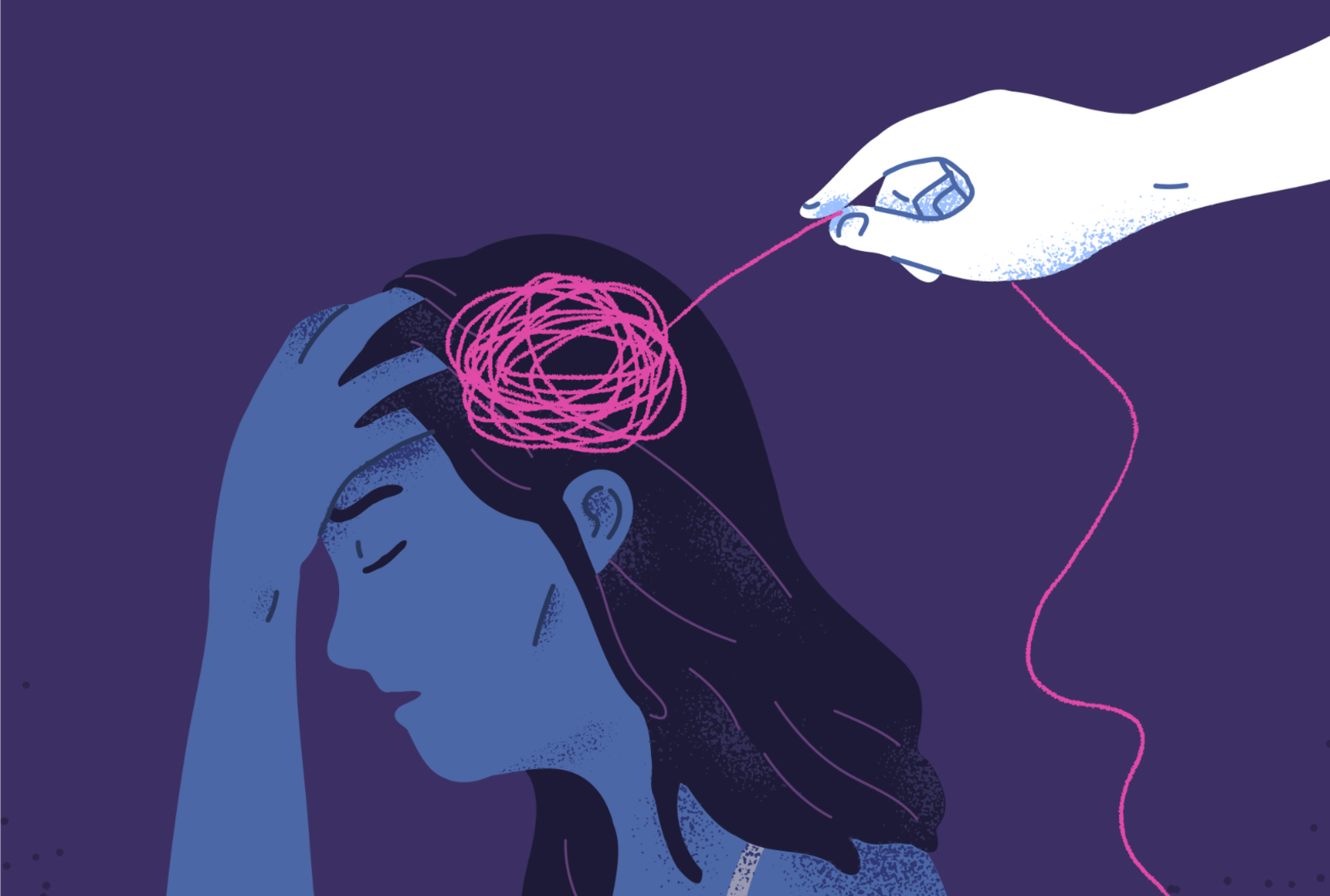
Finding the Right Mix for Anxiety Relief
No single tool cures anxiety for everyone. The most effective plans layer medication, therapy, daily habits, and sometimes natural supports. This article breaks down what each option can and cannot do, and how to build a strategy that fits your life.
How Therapy Rewires the Anxious Brain
Cognitive-Behavioral Therapy: Breaking the Thought Loop
Structured approaches like cognitive-behavioral therapy (CBT) treat anxiety as a cycle of thoughts, feelings, and behaviors. Instead of just reassurance, CBT teaches you to catch automatic worst-case thinking, test it against real evidence, and experiment with balanced interpretations. Gradual exposure to feared situations—talking in meetings, driving highways, attending social events—helps your brain learn that discomfort rises and falls without disaster. These skills last whether or not you take medication.
Emotional Storm Skills for Panic and Urges
When anxiety shows up as panic attacks, rage bursts, or urges to escape through drinking, scrolling, or self-harm, skills-based treatments like dialectical behavior therapy (DBT) provide practical steps. You learn grounding techniques, urge riding, and soothing strategies that let you survive intense emotions without making things worse. Medication can shrink the waves; DBT skills teach you to surf them.
Relationships, History, and the Bigger Picture
Anxiety often lives in context: conflict at home, caretaker burnout, feeling like an outsider, or unresolved trauma keep the nervous system on high alert. Interpersonal therapy and trauma-focused approaches help you set boundaries, grieve, and rebuild trust. When your daily environment feels safer, your body stops treating every situation as an emergency.
What Medication Can and Cannot Do
Fast-Acting vs. Daily Medications
Fast-acting drugs like benzodiazepines calm a panic spike quickly but carry dependence and withdrawal risks if used often. Daily options like SSRIs, SNRIs, and buspirone take weeks to build up but are safer for ongoing use. They lower baseline tension so sudden surges are less frequent. Choosing isn't about the strongest pill; it's about matching the tool to your symptoms, tolerance, and lifestyle.
Side Effects, Trade-offs, and Realistic Expectations
No medication is neutral. Early side effects may include nausea, drowsiness, sexual issues, or weight changes. Some fade; others don't. Quick-relief pills can cloud thinking or feel too good, making it hard to cut back. Useful questions: What is this meant to help? What trade-offs am I okay with? How will I know when to adjust or stop?
| Option type | Helpful for | Trade-offs |
| Fast-acting pills | Sudden panic, short-term spikes | Dependence, drowsiness, mental fog |
| Daily prescriptions | Ongoing anxiety, mixed mood | Slow onset, sexual/physical side effects |
| Plant-based products | Mild tension, sleep | Variable quality, interactions, milder effect |
| No-pill approaches | Long-term resilience, coping | Require time, effort, practice |
Everyday Habits That Calm Your Nervous System
Movement, Sleep, and Food
Anxiety lives in muscles, breathing, and digestion. Regular exercise—walking, jogging, dancing, yoga—burns off wired energy and teaches your body a calmer default. Consistent sleep schedules and simple wind-down routines lower brain reactivity. Steady meals with protein, fiber, and healthy fats prevent blood sugar crashes that mimic anxiety.
Breathwork, Mindfulness, and Grounding
Slow exhale-focused breathing, body scans, and mindfulness are not about emptying the mind. They help you notice when attention has been hijacked by scary stories and gently bring it back to breath, sound, or touch. Practiced in tiny doses, these skills create a gap between "I feel scared" and "I must escape."
Connection and Community
Human nervous systems calm each other. Spending time with safe people—a close friend, a support group, a faith or hobby community—signals that you're not alone. Shared routines like weekly dinners or group walks can be as regulating as formal practices.
Plant-Based and Natural Options: Helpful or Hype?
Gentle Supports: Teas, Capsules, Oils
Many people turn to teas, drops, or capsules before prescriptions. Chamomile and lemon balm teas may lightly ease restlessness. Lavender capsules have shown measurable reductions in anxiety for some. Most users describe modest softening of tension, not dramatic change.
Stronger Herbs, Nutrients, and Safety
Kava has clearer calming effects but liver risks. Omega-3s, magnesium, and probiotics may help when diet is poor. Supplements are not tightly regulated; doses vary and interactions with medications are real. "Natural" does not mean safe for everyone, especially if you take other meds.
| Support type | Who might consider it | Key cautions |
| Mild calming teas | Mild tension, bedtime wind-down | Allergies, added sugars, caffeine |
| Standardized extracts | Moderate symptoms alongside other treatments | Dose accuracy, drug interactions |
| Nutrient supplements | Poor diet, low energy | Overdosing, quality differences |
| Multi-herb blends | One product for many effects | Unknown mixes, hard to trace side effects |
Building a Plan That Works for Your Life
Match Tools to Your Specific Version of Anxiety
Someone with crushing panic who can't leave home might need a daily prescription, a limited supply of fast-acting pills, and therapy focusing on exposure. Another with milder but constant worry might start with therapy, exercise, better sleep, and possibly a gentle supplement. Key questions: How is anxiety limiting your life? How comfortable are you with pills? What past experiences and medical issues matter?
Combine, Adjust, and Stay Flexible
An effective plan usually blends three layers: symptom softening (meds, supplements, sleep, movement), skill building (therapy, coping tools), and life scaffolding (habits, relationships, routines). Over time, the mix shifts. Medicine may be central in a crisis, then fade as therapy and lifestyle carry more weight.
Redefining Success with Anxiety
Total absence of anxiety is unrealistic. A better goal: you still feel nervous sometimes, but panic no longer dictates where you go or what you attempt. You can notice the wave, use your tools, and continue with your day. Reaching that point takes a mix of supports, willingness to experiment, and self-honesty.
Frequently Asked Questions
What is considered the best treatment for anxiety for most adults in the U.S.? Combined care: cognitive behavioral therapy plus an SSRI/SNRI when needed, along with sleep, exercise, and reduced alcohol/caffeine.
How do doctors choose the best medication for anxiety? They weigh symptom type, medical history, other meds, addiction risk, pregnancy status, and prior response, usually starting with SSRIs/SNRIs and adjusting based on side effects.
What non-drug anxiety remedies have evidence? CBT skills, regular aerobic exercise, mindfulness, limiting stimulants, scheduled worry time, and consistent sleep.
What does an anxiety diagnosis and treatment plan typically involve? Screening tools, detailed interview to rule out medical causes, then a stepped plan: education, therapy, lifestyle changes, and medication if moderate-to-severe.
Are anxiety medications safe with fatty liver disease? Many SSRIs can be used with mild fatty liver but may need dose adjustments and liver tests. Avoid unnecessary sedatives, disclose all meds and alcohol use, and follow liver-friendly lifestyle.