Hidden Heart Failure and the Fatty Liver Link: From HFpEF to Metabolic Risk
Explore how HFpEF, fatty liver, and metabolic syndrome are interconnected—and how modern therapies address hidden cardiovascular risk.
Beyond the Ejection Fraction
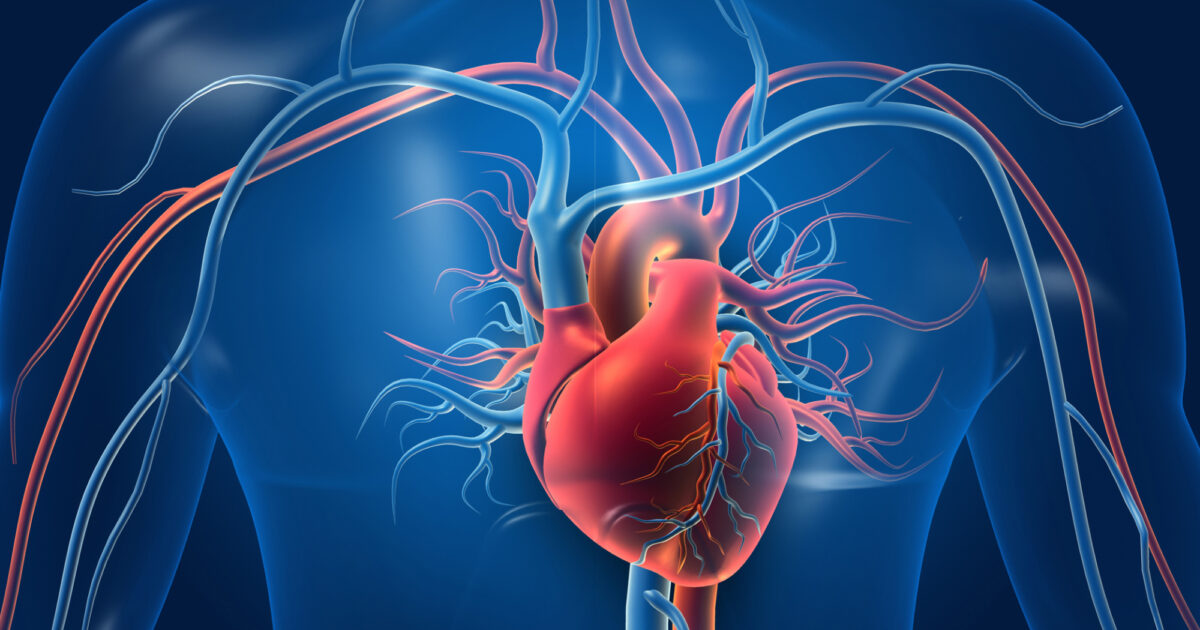
A normal ejection fraction does not always mean a healthy heart. Many people with breathlessness, swelling, and fatigue are told their heart looks fine because the pumping chamber squeezes strongly. However, the real problem lies in how the heart relaxes and fills. When the muscle becomes stiff and thick, pressures rise inside the chambers during activity or even at rest. Blood backs up into the lungs and veins, producing classic heart failure symptoms despite a preserved squeeze. This pattern—heart failure with preserved ejection fraction (HFpEF)—often comes with central obesity, high blood pressure, and insulin resistance. Belly fat releases inflammatory signals that stiffen arteries and heart tissue, while the kidneys and gut add fluid retention. Standard tests centered on ejection fraction miss this bigger picture, leaving patients at risk for hospitalizations and worsening quality of life.
Hidden Congestion in Daily Life
The earliest warnings of HFpEF are easy to dismiss. Walking across a parking lot becomes harder, ankles swell, and sleeping flat requires extra pillows. Because the pump number looks normal, symptoms are sometimes blamed on aging, being out of shape, or lung problems. People may see multiple specialists and receive inhalers or pain medicines while the real issue—a stiff ventricle raising filling pressures—goes untreated. Over time, repeated congestion scars the heart and lungs, tightening the spiral. Recognizing patterns of breathlessness, swelling, and disturbed sleep helps distinguish this from simple deconditioning.
Fatty Liver as Early Warning
Fat accumulation in the liver without heavy alcohol use is often dismissed as a minor finding. Yet a fatty liver is one of the earliest signs that the body's fuel-handling system is overwhelmed. Extra calories, sugary drinks, and inactivity push fat into liver cells, while insulin resistance prevents its removal. Even without pain or abnormal blood tests, the liver releases inflammatory messengers that stiffen blood vessels and heart muscle. Combining liver fat with high blood pressure greatly increases the risk of fluid overload and heart failure. Viewing liver fat as a cardiovascular alarm rather than an isolated liver issue is key for early prevention.
Fuel Toxicity Spreads Through the Body
Think of "fuel toxicity" rather than body size. Everyone has a capacity to store sugars and fats safely. Once exceeded, excess energy spills into the liver, heart, pancreas, and muscles. In the liver, it appears as fat droplets; in the heart, it thickens the walls; in vessels, it creates fatty streaks. The table below illustrates common scenarios where liver findings hint at deeper cardiovascular strain.
| Scenario | What's Happening Under the Surface | Why It Matters for the Heart |
|---|---|---|
| Normal weight, fatty liver on imaging | Limited storage capacity, early fuel spillover | Higher risk of stiff heart muscle and subtle congestion |
| Central obesity, normal liver tests | Large storage capacity but under stress | Window to act before fat reaches heart and liver |
| Fatty liver plus high blood pressure | Combined vessel and organ stress | Greater chance of breathlessness and fluid retention |
| Fatty liver with elevated blood sugar | Insulin resistance and inflammation | Higher likelihood of progression to overt heart failure |
How Modern Therapies Expose the Heart–Liver Link
SGLT2 Inhibitors: More Than Glucose Control
Drugs like empagliflozin (Jardiance) were developed for diabetes but unexpectedly cut heart failure hospitalizations across all pumping patterns, including HFpEF. They work by helping the kidneys excrete extra sugar, lowering insulin levels and shifting the internal fuel environment. This class also reduces liver fat and improves markers of liver injury, suggesting that their main benefit is broad metabolic improvement rather than just blood sugar numbers.
Weight-Loss Medications Reshape Risk
Newer weight-management drugs reduce major cardiovascular events in people with excess weight, even without diabetes. Participants report easier breathing and higher activity levels, benefits that go beyond pounds lost. These medicines lower inflammation, improve insulin sensitivity, and shrink liver and belly fat first. That reduction eases the chemical stress on the heart and lungs, giving many people a larger safety margin before symptoms appear.
Metabolic Overload and Cancer Risk
Long-term metabolic overload does not stop at the heart and liver. High insulin, chronic inflammation, and altered sex hormones are linked to higher rates of certain cancers, especially in people with central obesity and fatty liver. Inflamed liver tissue is more prone to DNA damage, while visceral fat creates a growth-friendly cocktail for abnormal cells. The next table shows how different clinical pictures share the same drivers.
| Person Type | Main Hidden Strain | Priority Focus Areas |
|---|---|---|
| Breathless with normal heart scan | Stiff heart, high filling pressures | Volume control, metabolic drugs, gentle conditioning |
| Fatty liver but no symptoms | Fuel overload at liver level | Nutrition pattern, weight management, activity |
| Central obesity plus sleep issues | Visceral fat, low oxygen at night | Sleep evaluation, weight-loss tools, blood pressure care |
| History of tumor plus metabolic risk | Chronic inflammation, hormone shifts | Aggressive metabolic tuning, liver and heart monitoring |
Frequently Asked Questions
What is the current treatment approach for HFpEF? Management focuses on controlling blood pressure, treating atrial fibrillation, reducing fluid overload with diuretics, using SGLT2 inhibitors like Jardiance, managing obesity and sleep apnea, and strict lifestyle changes including sodium restriction and exercise.
How does Jardiance help HFpEF patients? Jardiance (empagliflozin) reduces hospitalizations and improves quality of life by promoting osmotic diuresis, reducing cardiac workload, improving vascular function, and providing benefits even in patients without diabetes when added to standard therapy.