Gastric Bypass Surgery Guide: Procedure, Eligibility, Risks & Alternatives for Weight Loss
Learn about gastric bypass surgery: procedure details, eligibility for BMI over 35-40, benefits of 60-80% excess weight loss, risks, and alternatives like sleeve gastrectomy.
What Is Gastric Bypass Surgery?
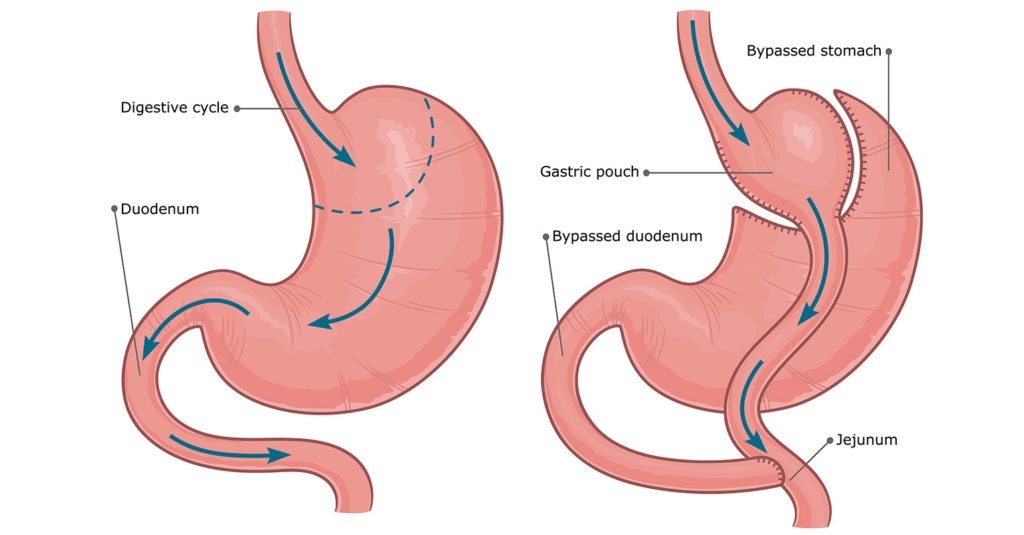
Gastric bypass surgery, clinically termed Roux-en-Y gastric bypass, is a bariatric procedure that reduces the stomach to a small pouch and reroutes the small intestine. This limits food intake and calorie absorption, enabling substantial weight loss. The surgery also influences hunger hormones, further curbing appetite. It is one of the most effective interventions for obesity and related conditions such as type 2 diabetes and hypertension.
How Does Gastric Bypass Work?
The surgeon creates a tiny stomach pouch (about the size of an egg) and attaches it directly to the lower portion of the small intestine. As a result, food bypasses most of the stomach and the first segment of the small intestine, reducing both the volume of food you can eat and the nutrients your body absorbs.
Who Qualifies for Gastric Bypass?
Typical candidates have a body mass index (BMI) of 40 or higher, or a BMI between 35 and 39.9 with a serious obesity‑linked health problem (e.g., diabetes, sleep apnea, high blood pressure). You must also have tried and failed at sustainable weight loss through diet, exercise, or medical programs. A comprehensive health assessment—including blood tests, imaging, and nutritional counseling—is required. Psychological evaluation ensures you have realistic expectations and are ready for lifelong lifestyle changes. Many clinics offer free consultations to help you determine eligibility.
The Procedure Step by Step
Before Surgery
You may need to follow a pre‑operative liquid diet to shrink the liver, undergo medical tests, and if you smoke, you’ll be encouraged to quit. Alcohol intake should also be minimized.
During Surgery
Performed under general anesthesia, the operation takes 2‑4 hours. The surgeon uses laparoscopic (minimally invasive) techniques whenever possible, which reduces recovery time.
Recovery Phases
Hospital stay is typically 1‑2 days. After discharge, you progress through a strict diet:
Week 1‑2: Clear liquids only (water, broth, sugar‑free gelatin).
Weeks 3‑4: Pureed foods (blended low‑fat soups, yogurt).
Weeks 4‑8: Soft foods (scrambled eggs, mashed fish, cooked vegetables).
From week 9: Regular solid foods in small, well‑chewed portions.
Long‑term follow‑up includes regular check‑ups, vitamin supplementation (iron, calcium, B12, vitamin D), and nutritional counseling.
Benefits and Risks
Expected Benefits
60‑80% excess weight loss within 12‑18 months.
Marked improvement or remission of type 2 diabetes, high blood pressure, sleep apnea, and joint pain.
Better mobility, self‑esteem, and overall quality of life.
Possible Risks
Surgical risks: infection, blood clots, adverse reaction to anesthesia.
Nutritional deficiencies: require lifelong supplements.
Dumping syndrome: nausea, sweating, diarrhea after eating high‑sugar or high‑fat foods.
Alternatives to Gastric Bypass
Gastric Sleeve Surgery
Removes about 80% of the stomach, leaving a banana‑shaped sleeve. It is simpler than bypass and carries a lower risk of nutrient deficiencies but still leads to 50‑70% excess weight loss.
Adjustable Gastric Banding
An inflatable band is placed around the upper stomach, creating a small pouch. It is less invasive and reversible, but weight loss is slower (40‑50% excess weight) and requires regular band adjustments.
Non‑Surgical Weight Loss Programs
Medically supervised diet, exercise, and anti‑obesity medications. These work best for people with lower BMI or as preparation for surgery.
Comparison of Bariatric Options
Gastric Bypass: 60‑80% excess weight loss; complex but highly effective.
Gastric Sleeve: 50‑70% excess weight loss; less complex, irreversible.
Adjustable Band: 40‑50% excess weight loss; reversible, slower results.
Sources: American Society for Metabolic and Bariatric Surgery, Mayo Clinic, Obesity Action Coalition.
Choosing the Right Surgery for You
Consider your overall health, how much weight you need to lose, and your willingness to commit to lifelong dietary changes and medical follow‑up. A free consultation with a board‑certified bariatric surgeon can help you compare procedures and set realistic goals.
Frequently Asked Questions
What is the success rate of gastric bypass? Most patients lose 60‑80% of excess weight and maintain more than half of that loss long term.
Is gastric bypass reversible? It is generally considered irreversible, though some complications can be surgically corrected.
How soon after surgery can I eat normally? Soft solids begin at 4‑8 weeks, and a regular diet starts around week 9, but you will always need to eat small, frequent meals and avoid sugar‑rich foods.
Will I need plastic surgery after weight loss? Many patients consider body‑contouring procedures to remove excess skin after significant weight loss.
Gastric bypass is a life‑changing tool when combined with healthy habits. Thoroughly evaluate your options with experienced professionals to achieve lasting results.