How to Choose the Best Home Heating System: Types, Costs & Efficiency Tips
Learn about forced air, radiant, steam, heat pump, and boiler systems. Compare costs, climate suitability, and energy-saving tips to choose the best home heating system.
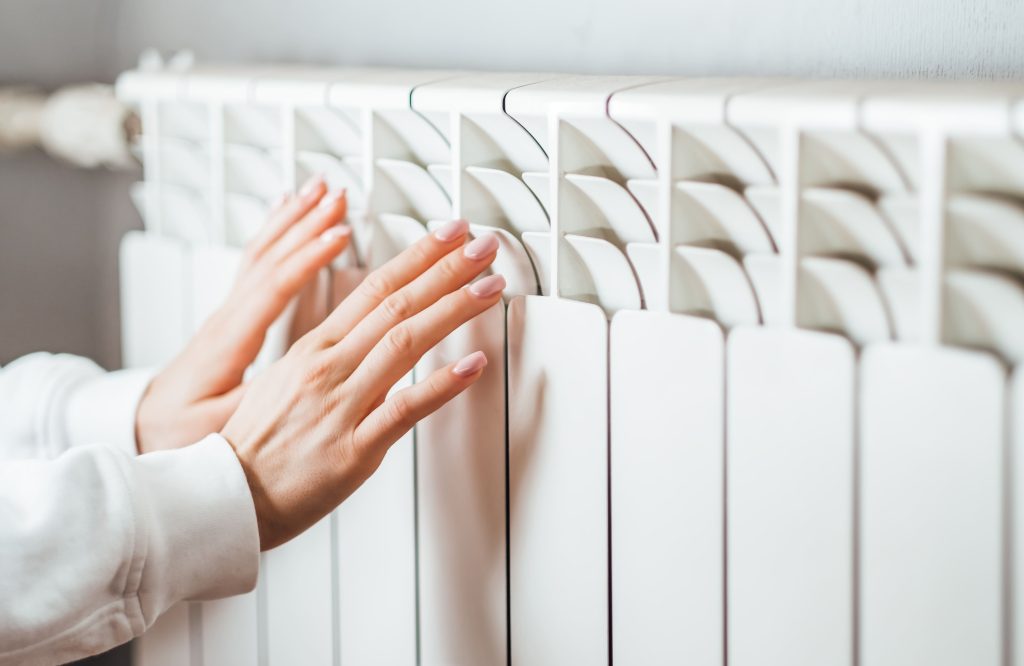
Selecting the right heating system for your home is a significant decision that affects comfort, energy bills, and indoor air quality. With options ranging from forced air to radiant heating, each system has unique advantages and trade-offs. This guide covers the most common heating systems, how to evaluate them based on climate and home size, and practical tips to maximize efficiency and savings.
Types of Heating Systems
Forced Air Systems
Forced air heating is widespread in American homes. A furnace burns natural gas, oil, or uses electric resistance to heat air, which is then distributed through ducts by a fan. These systems heat spaces quickly and can integrate with central air conditioning. However, they may circulate dust and allergens if filters aren't changed regularly, and uneven heating can occur if the ductwork is unbalanced.
Pros: Fast heating, versatile fuel options, can include AC.
Cons: Spreads allergens, requires frequent filter changes, potential uneven warmth.
Radiant Heating Systems
Radiant heating delivers silent, even warmth through pipes or electric elements installed beneath the floor. Hot water or electricity heats the floor, which radiates upward. This system reduces airborne allergens and keeps floors warm, but installation is more complex and expensive, often requiring floor modifications. It's an excellent choice for allergy sufferers and those seeking quiet operation.
Steam Heating Systems
Common in older buildings, steam heating uses a boiler to generate steam that travels through pipes and radiators. While slower to heat and less efficient than modern systems, it provides steady, reliable warmth and can last decades with proper maintenance. Steam systems are rarely installed in new homes but remain valued for their durability.
Heat Pump Systems
Heat pumps offer dual functionality: heating in winter and cooling in summer. Air-source models extract heat from outside air, while geothermal pumps draw heat from the ground. They are extremely energy-efficient, especially in moderate climates. Installation costs, particularly for geothermal, can be high, but lower operating costs and potential tax credits often offset the initial expense.
Boiler Heating Systems
Boilers heat water (or generate steam) that circulates through radiators or radiant floors. They burn natural gas, oil, or electricity. Unlike forced air, boilers don't distribute allergens or dry out the air. They are reliable and long-lasting but have higher upfront costs than furnaces. Ideal for homeowners planning to stay long-term.
How to Choose the Right Heating System
Climate Considerations
In cold climates, radiant heating or boiler systems provide steady warmth. In warmer regions, heat pumps efficiently handle both heating and cooling. For mild climates, forced air or heat pumps are often sufficient.
Energy Source Options
Natural gas is usually the cheapest but requires a gas line. Electric systems are flexible and can pair with renewable energy. Oil heating is less common but still viable in areas without gas service.
Home Size and Layout
Small homes may do well with a ductless mini-split or compact heat pump. Larger homes often need zoned systems or multiple units. Evaluate insulation, window efficiency, and heat loss areas to determine the right capacity.
Budget and Long-Term Costs
Consider not only installation costs but also monthly energy bills, maintenance, and system lifespan. High-efficiency models may cost more upfront but save money over time. Check for federal or state rebates that can reduce initial investment.
Maintenance Tips
Proper care extends system life and efficiency. Schedule annual professional inspections. For forced air, change filters every 1–3 months. Bleed radiators and check boiler water levels in steam/hot water systems. Seal and insulate ducts to prevent heat loss.
Energy-Saving Tips and Incentives
Energy Star Equipment
Energy Star-rated systems offer proven efficiency with features like smart thermostats and variable-speed motors. They lower energy use and qualify for rebates.
Government Rebates
Local utilities and state energy offices often provide rebates for upgrading to efficient systems. Research available programs in your area to reduce costs.
Optimal Temperature Settings
Lowering your thermostat by 7–10°F when asleep or away can save significantly on heating bills. Programmable or smart thermostats automate these adjustments for maximum efficiency.
FAQs
What is the best heating system for a cold climate? Radiant heating or advanced boiler systems provide consistent warmth in cold areas.
Can I switch from gas to electric? Yes, but it involves major changes to electrical capacity and possibly ductwork.
How often should I service my heating system? Annual service by a certified technician is recommended.
Are smart thermostats effective? Yes, they learn your habits and adjust temperatures, reducing energy waste.
Is upgrading to a high-efficiency model worth it? Typically yes, due to long-term savings on energy bills and available rebates.