AI-Driven Solutions for Power Grid Resilience in Extreme Weather
Discover how AI technologies help power utilities predict and mitigate extreme weather impacts, enhancing grid resilience and reliability against hurricanes, wildfires, and more.
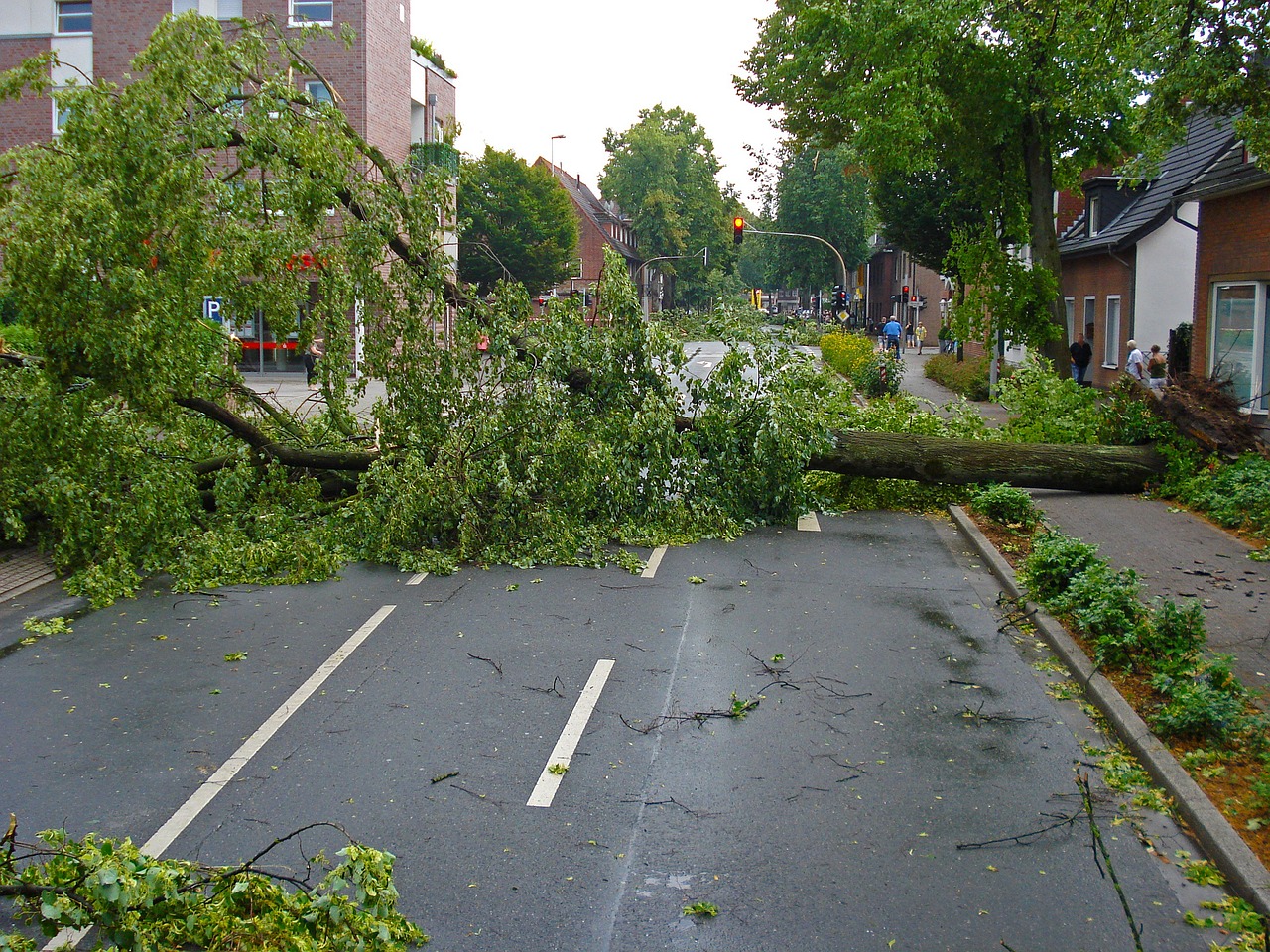
The Rising Threat of Extreme Weather on Power Infrastructure
Extreme weather events—hurricanes, wildfires, heatwaves, and floods—are growing in frequency and intensity due to climate change. These disasters place immense strain on the aging power grid, leading to prolonged outages that disrupt daily life and economic activity. The United States has witnessed a sharp increase in weather-related power failures, highlighting the urgent need for a more resilient and adaptive energy system.
How Utilities Are Feeling the Pressure
Traditional power grid designs were never meant to withstand today's severe weather. Wind and rain, the primary stressors during hurricanes, can travel far inland, catching unprepared regions off guard. Data from the Electric Power Research Institute shows that utilities must now invest heavily in upgrading infrastructure and adopting new technologies to ensure reliable power delivery under both current and future storm conditions.
Artificial Intelligence: A Game Changer for Grid Resilience
In response, many utilities are turning to artificial intelligence to enhance predictive capabilities and identify vulnerabilities before disasters strike. AI can process vast datasets—from historical asset failures to real-time weather forecasts—to pinpoint weak spots and recommend targeted hardening measures.
Real-World AI Deployments
Rhizome's AI Platform (founded 2022) analyzes thousands of hurricane-related asset failures, helping utilities decide where to reinforce poles, lines, or trim vegetation to prevent outages.
RADR-Fire from the Pacific Northwest National Laboratory builds risk prediction models for wildfires, tropical cyclones, and extreme heat, projecting risks as far as 2100. This long-term outlook guides strategic planning and emergency response.
The AI Paradox: Problem and Solution
AI itself is energy-intensive, with projections that its electricity demand could rise up to 20% by decade's end. However, experts like Mark Dyson (Rocky Mountain Institute) argue that AI's benefits—maintaining an affordable, reliable grid—outweigh its energy cost, especially if models are optimized for efficiency.
Building a Resilient Future: Key Priorities
Standardization of AI Models
Developing uniform risk-assessment methods ensures accuracy, particularly for smaller utilities that lack resources to build proprietary models. Collaboration across the industry is essential.
Data Accessibility and Sharing
Making AI-derived data available to all stakeholders—especially smaller utilities—enables better preparation and resource allocation during extreme events.
Infrastructure Investment
Modernizing the grid requires substantial funding for both traditional upgrades and AI-driven technologies. This dual approach creates a robust energy system capable of weathering future climate challenges.
The path forward demands innovation, cooperation, and strategic investment. AI offers powerful tools to predict and mitigate extreme weather impacts, but its full potential will only be realized through thoughtful deployment and cross-sector partnership.