AI Wearables for Seniors: Fall Detection, Health Monitoring & Independence
AI-powered wearables for seniors: fall detection, health tracking, and privacy-first design. Learn how smart devices enable independent aging.
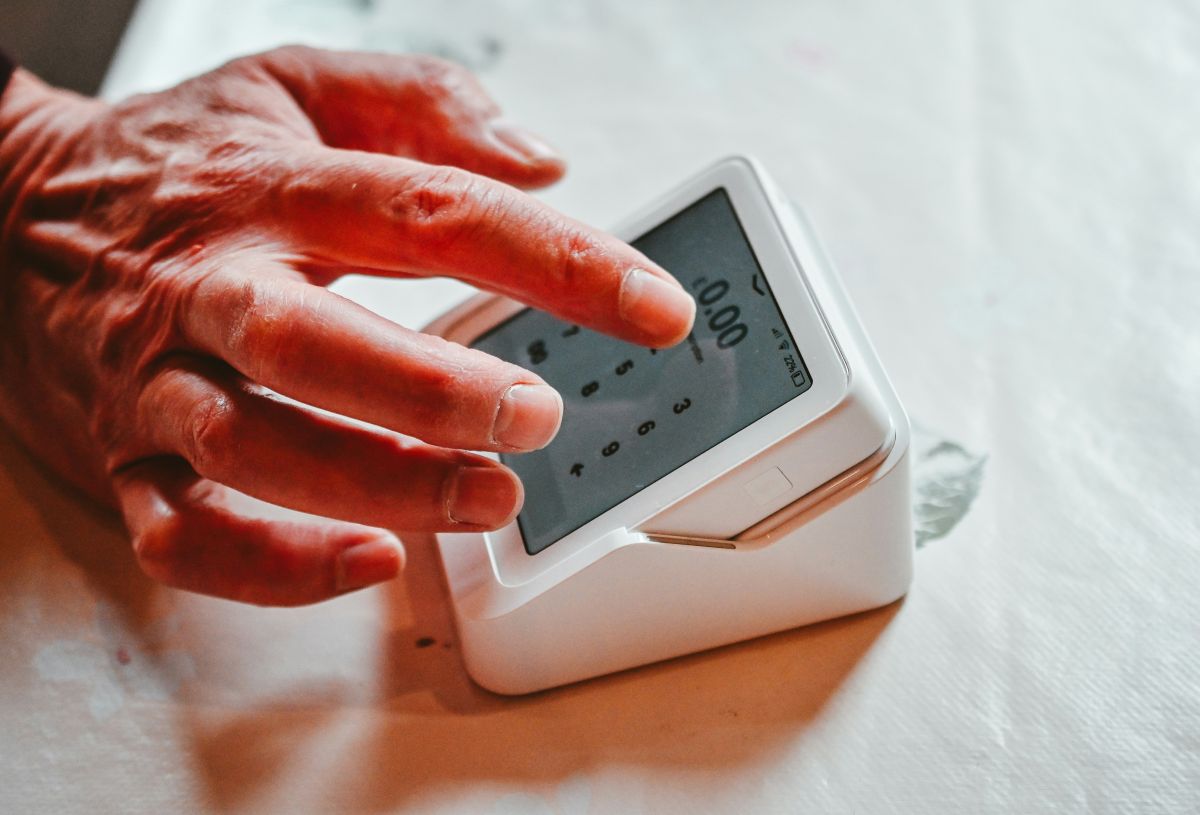
How Smart Wearables Are Redefining Senior Safety
Modern wearable technology goes far beyond step counting. Advanced sensors combined with artificial intelligence now create a personalized health safety net for older adults. These devices learn each user's unique baseline—breathing rhythms, heart patterns, movement habits—and detect subtle deviations that may signal a health issue before it becomes an emergency. Instead of relying on generic benchmarks, the system adapts to the individual, enabling proactive care rather than reactive treatment.
Fall Detection Without Compromising Privacy
The fear of falling keeps many seniors from living fully independently. Traditional solutions like cameras or panic buttons are intrusive or require conscious action. New-generation wearables solve both problems: they are worn discreetly and automatically detect fall impact forces and postural changes. If a fall occurs, the device alerts family or emergency services without the user pressing a button. This creates a quiet safety net that preserves dignity and offers peace of mind for loved ones.
Continuous Health Monitoring: From Occasional Visits to Real-Time Insights
Chronic conditions such as hypertension and diabetes benefit enormously from continuous data. Instead of isolated readings at doctor appointments, wearables provide a seamless stream of vital signs—heart rate, gait speed, sleep depth—that paints a complete picture of the user's health. This data can be automatically shared with physicians, allowing remote medication adjustments and lifestyle guidance. The result is fewer hospital visits and faster interventions when something changes.
Key Advantages of AI-Enhanced Monitoring
Data Frequency: 24/7 continuous collection versus sporadic clinic visits
Response Type: Predictive alerts before symptoms appear
Context Awareness: Personalized baselines rather than population averages
User Effort: Passive automatic recording, no manual logs
Primary Goal: Prevention and wellbeing, not just diagnosis
Overcoming Barriers: Cost, Reliability, and Usability
For widespread adoption, the industry must address three critical issues. Cost needs to drop so families and care facilities can afford sophisticated systems. Reliability must improve—false alarms erode trust and may lead users to disable devices. Usability demands intuitive interfaces with glanceable information, not complex screens. Additionally, devices should integrate with existing hospital systems to avoid data silos.
What to Look for When Choosing a Senior Wearable
Battery Life: Weeks or months between charges to avoid constant maintenance
Data Privacy: End-to-end encryption to protect sensitive health information
False Alarm Cancellation: Ability to cancel alerts to prevent unnecessary emergency calls
Integration: Open APIs or compatibility with common healthcare software
Privacy and Security: Non-Negotiable Foundations
Health data—heart rate variability, location history, activity patterns—is highly sensitive. Transmitting it wirelessly requires strong encryption and clear regulations. Older facilities are especially vulnerable to cyberattacks. A unified privacy framework must be established so seniors and families can trust that their information is safe. Only by prioritizing digital defenses and ethical guidelines can these technologies truly serve as protectors.
Common Questions About Senior Health Wearables
What benefits do smart patient monitoring systems offer?
Real-time data collection, improved outcomes, reduced hospital stays. Healthcare providers can respond immediately to changes in a patient's condition.
How do health gadgets contribute to personal wellness?
By tracking activity, sleep, and vital signs, they help users set goals, monitor progress, and make informed lifestyle decisions.
What advantages does a wearable ECG have over traditional devices?
Continuous, comfortable monitoring over days or weeks, catching irregular rhythms that a short clinic test might miss.
How does a health tracker enhance preventive care?
It reveals trends and early warning signs, encouraging users to seek medical advice before conditions worsen.
How is innovative wearable technology transforming elderly care?
Solutions like IoT-based systems enable remote monitoring, real-time alerts, and allow seniors to maintain independence while staying safe.