Gene Editing Debate: Can This Technology Be Safe, Ethical, and Beneficial?
Gene editing promises better crops and livestock but raises safety, ethics, and regulatory concerns. Explore the benefits, risks, and global debate.
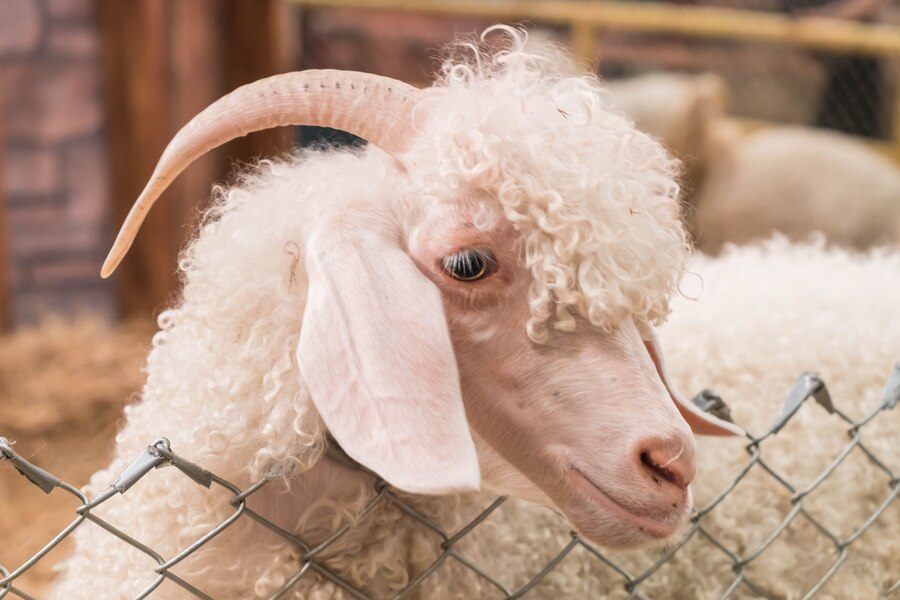
The Promise and Peril of Gene Editing
Gene editing technology is advancing rapidly, offering the potential to transform agriculture by creating more productive crops and healthier animals. However, these breakthroughs come with significant safety, ethical, and regulatory challenges that continue to spark intense debate among scientists, policymakers, and the public.
What Makes Gene Editing Different?
While conventional genetic modification (GM) introduces foreign genes from other species, gene editing makes precise changes to an organism’s own DNA, often mimicking natural mutations. Proponents argue this distinction makes gene editing safer and more acceptable, but critics worry about unintended consequences and animal welfare risks. Already, gene-edited foods have entered markets: Japan has approved calmness-promoting tomatoes and faster-growing puffer fish, while U.S. companies are developing heat-resistant cattle and seedless blackberries.
Potential Benefits vs. Ethical Concerns
Supporters highlight how gene editing could reduce animal diseases, lower antibiotic use, and even curb climate change by cutting livestock methane emissions. Yet opponents caution against unforeseen ecological or health impacts, and animal welfare advocates fear the technology could worsen industrialized farming practices. Dr. Peter Stevenson of Compassion in World Farming points to painful leg disorders and heart disease in selectively bred chickens as a warning, adding that gene editing should only proceed if it meets three criteria: it does not harm animal welfare, achieves goals that cannot be met by less intensive methods, and does not entrench factory farming.
The UK’s Regulatory Crossroads
The United Kingdom had positioned itself as a leader in gene editing after passing the Precision Breeding Act under the previous government. But the new Labour administration paused implementation while considering closer alignment with the European Union, which enforces strict rules on GM crops. Scientists like Prof. Jonathan Napier of Rothamsted Research fear the delay could cause the UK to fall behind nations already advancing their gene editing regulations. Environmental groups, including Genewatch UK, warn of “unwanted consequences” and urge caution.
Global Perspectives and Ethical Pathways
Despite the controversy, many experts see room for ethical application. Prof. Mizeck Chagunda of the Roslin Institute believes gene editing could benefit smallholder farmers in developing countries if governed by robust regulations. Dr. Stevenson admits that certain uses, such as breeding disease-resistant animals, could be justified. The future hinges on whether advocates can build public trust and demonstrate that gene editing can be both safe and beneficial without compromising animal welfare or environmental integrity.