Unlocking Cellular Aging: Telomeres, Antioxidants, and Lifestyle for Longevity
Learn how telomeres, oxidative stress, and lifestyle choices influence cellular aging. Discover strategies to extend healthspan and prevent age-related diseases.
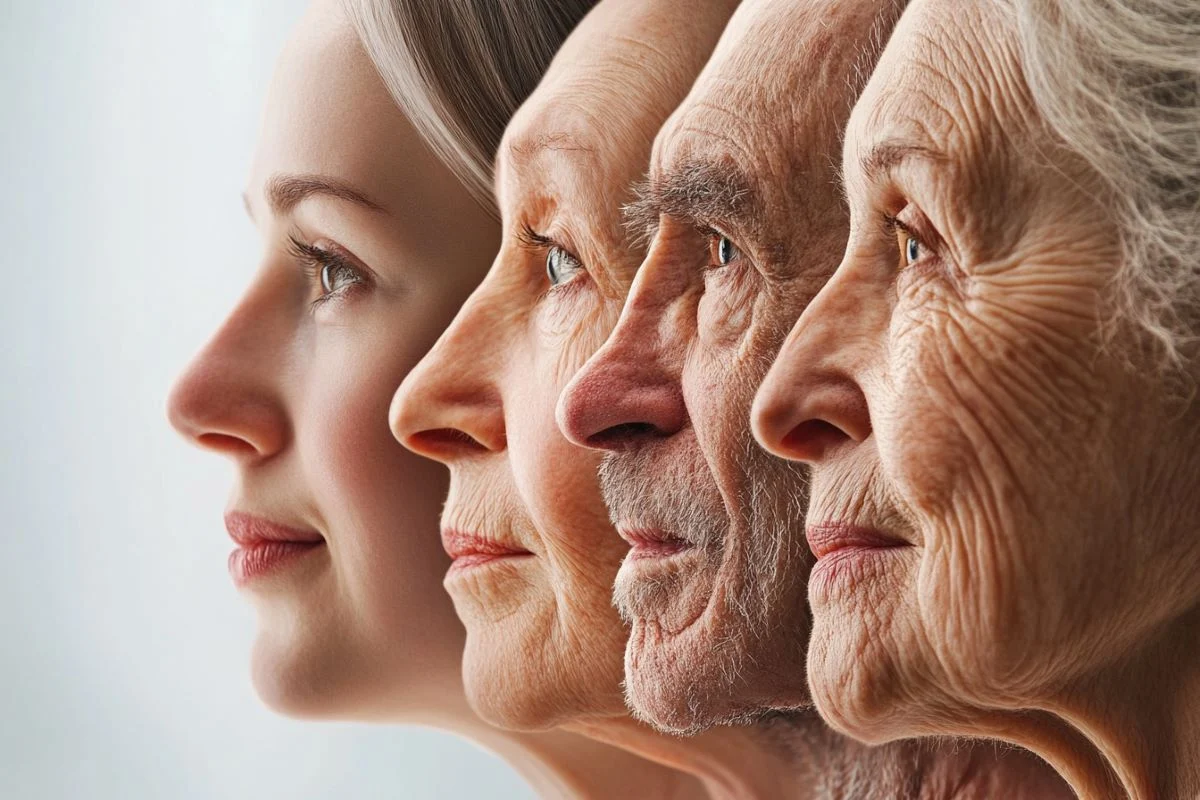
What Drives Cellular Aging?
Aging at the cellular level is a complex interplay of biological processes. Each cell in our body undergoes gradual changes that affect its function over time. Key factors include telomere shortening, oxidative stress, and mitochondrial decline. Understanding these mechanisms offers a roadmap to extending healthy lifespan.
Telomeres: The Cellular Countdown
Telomeres act as protective caps on chromosome ends, similar to plastic tips on shoelaces. They shorten with every cell division, eventually triggering cellular senescence when critically short. Research links longer telomeres to better health and longevity, while short telomeres are associated with age-related diseases. Strategies to maintain telomere length, such as lifestyle interventions, may slow aging.
Oxidative Stress and Free Radicals
Oxidative stress arises from an imbalance between free radicals and antioxidants. Free radicals are unstable molecules that damage cells, while antioxidants neutralize them. Over time, oxidative stress contributes to tissue degeneration and diseases like Alzheimer's and cardiovascular conditions. Antioxidants found in fruits, vegetables, and nuts can help counter this damage.
Mitochondria and Aging Disease
Mitochondria, the cell's powerhouses, are especially vulnerable to oxidative damage. When mitochondria malfunction, energy production drops, leading to cellular stress and disease. MIT research emphasizes that protecting mitochondrial function through nutrients like Coenzyme Q10 and regular exercise can revitalize cells and reduce age-related decline.
Lifestyle Choices That Extend Healthspan
While genetics play a role, daily choices significantly impact how we age. A diet rich in antioxidants, omega-3 fatty acids, and polyphenols supports cellular health. Regular physical activity enhances mitochondrial efficiency and cardiovascular function. Stress management through meditation and quality sleep helps prevent telomere shortening and oxidative damage.
Nutrition and Exercise Synergy
Combining balanced nutrition with movement creates a powerful anti-aging effect. Nutrients provide building blocks, while exercise boosts cellular repair. This synergy reduces inflammation and supports brain health, offering a foundation for sustained vitality.
A Holistic Approach to Aging
Healthy aging requires addressing the body as an interconnected system. Integrating diet, exercise, and mental well-being directly influences cellular processes. Additionally, supportive environments—communities promoting active living and social engagement—help individuals maintain health as they age. By unlocking the secrets within our cells, we can add not just years to life, but life to years.