Ultimate Guide to Home Pest Control: Identification, Health Risks, and Emergency Solutions
Learn to identify common household pests, understand health risks, and discover effective pest control methods including IPM and emergency response.
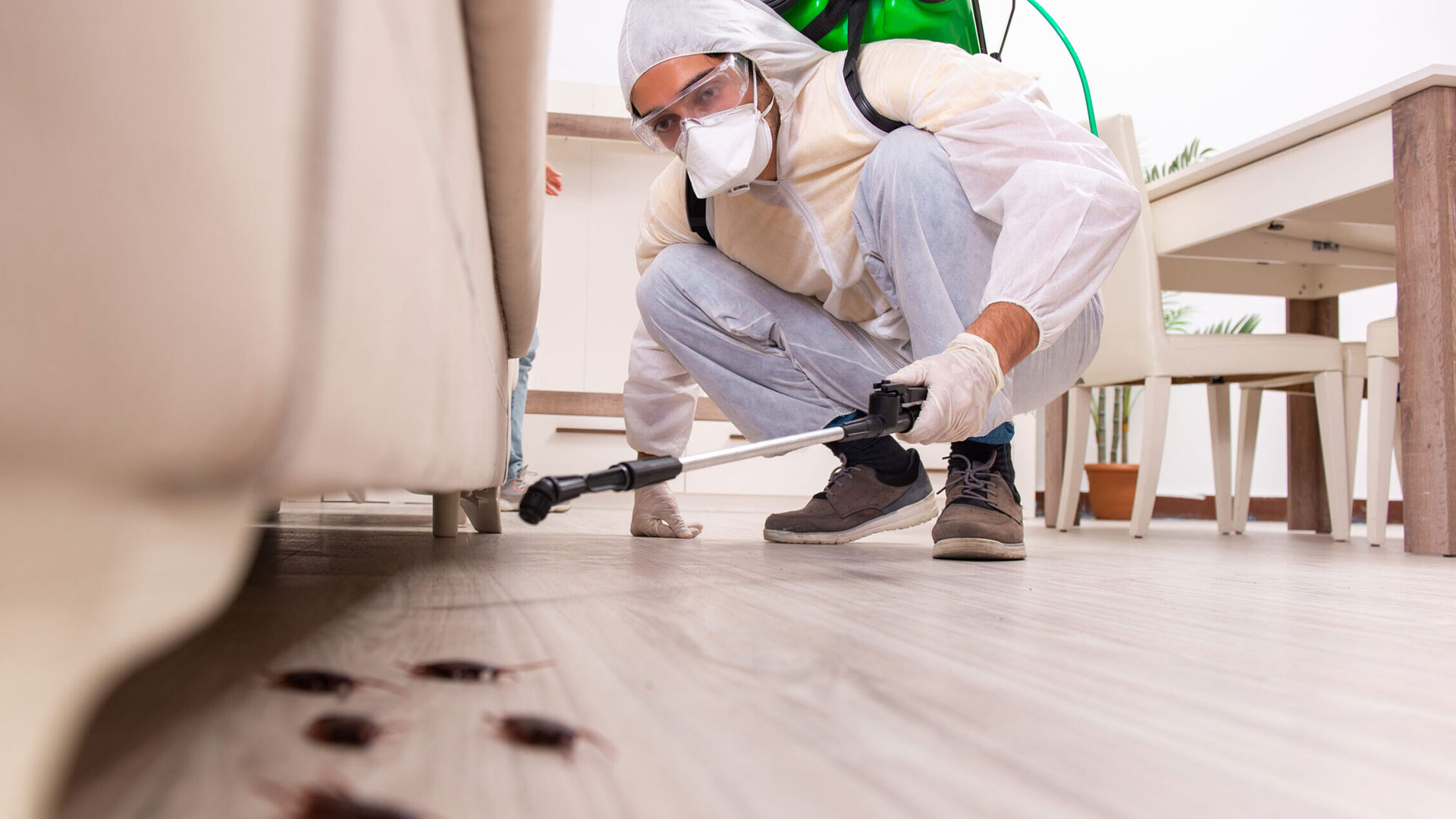
Why Pest Control Matters for Your Home
Pests are more than a minor annoyance—they can spread diseases, trigger allergies, and cause costly structural damage. Knowing what you’re up against and how to respond quickly is essential for a safe living environment.
Identifying Common Household Pests
Different pests invade homes for food, water, and shelter. The most frequent culprits include:
Ants – attracted to sweet or greasy spills
Cockroaches – thrive in warm, damp areas like kitchens and bathrooms
Rodents (mice and rats) – enter through tiny gaps in walls or foundations
Termites – silently feed on wood, compromising structural integrity
Bed bugs – hide in mattresses, furniture, and cracks
Mosquitoes – breed in standing water and transmit viruses
Each species has unique behaviors, so correct identification is the first step toward an effective treatment plan.
Health Risks and Property Damage
Health dangers
Cockroaches produce allergens that can trigger asthma, especially in children. Rodents carry hantavirus and salmonella through droppings and urine. Mosquitoes are vectors for West Nile virus and Zika. Even ants can contaminate food surfaces with bacteria.
Property damage
Termites cause billions in repairs annually by hollowing out wood. Rodents gnaw on electrical wires, creating fire hazards. Carpenter ants tunnel into wooden beams, while moths and carpet beetles ruin fabrics. Early detection is key to preventing expensive repairs.
Signs of Infestation: What to Look For
Regular home inspections can catch problems early. Watch for:
Live or dead pests
Droppings, egg casings, or shed skins
Damage to food packaging, wood, or wiring
Unusual musty or oily odors
Sawdust piles near baseboards (termites)
Small blood spots on sheets (bed bugs)
If you notice any of these, act promptly before the population explodes.
Science-Backed Pest Control Methods
Integrated Pest Management (IPM)
IPM is a holistic approach that prioritizes prevention over chemical spraying. It includes:
Biological controls – introducing natural predators
Habitat modification – sealing entry points, fixing leaks, removing clutter
Monitoring – using traps and inspections to track pest levels
Targeted pesticides – applied only when necessary, using the least toxic option
Understanding pest biology
For example, knowing that cockroaches breed fastest in warm humid conditions helps you focus on ventilation and dehumidifiers. Recognizing that mice are nocturnal allows you to place traps where they travel at night. This knowledge makes control more efficient.
Chemical controls: mode of action
When chemicals are needed, choosing the right product matters. Some pesticides attack the nervous system, while others disrupt growth or reproduction. Rotating active ingredients prevents resistance. Always follow label instructions to protect pets, children, and beneficial insects.
Emergency Pest Control: When to Act Fast
Recognizing a true emergency
A pest emergency involves a sudden, overwhelming presence that poses immediate danger. Examples:
A swarm of stinging insects (wasps, bees) near a doorway
Rodents actively running through the house in daylight (heavy infestation)
Visible termite mud tubes or sudden structural weakening
Immediate steps to take
Safety first – Evacuate the area if stinging insects are involved.
Contain – Close doors or use barriers to limit pest spread.
Do not overuse spray – Improper application can harm you and worsen the problem.
Document – Take photos/videos for the pest control professional.
Choosing a professional service
Look for licensed, insured companies with positive reviews and emergency response options. Ask about their experience with your specific pest and request a clear treatment plan.
What happens during emergency service
A technician will assess the situation rapidly, apply targeted treatments (sprays, traps, or exclusion), and identify contributing factors. They’ll also advise on follow-up steps to prevent recurrence.
Frequently Asked Questions
Q: What pests are most common in Australian homes, and what attracts them?
A: Ants (food spills), cockroaches (moisture), rodents (small openings), termites (wood), bed bugs (bedding), and mosquitoes (standing water).
Q: What health risks do household pests pose?
A: Cockroaches spread allergens; rodents carry hantavirus and salmonella; mosquitoes transmit Zika and West Nile; ants contaminate food. Pest control is critical for health.
Q: How can I tell if my home has a pest problem?
A: Look for droppings, damage, unusual odors, or visible insects. Sawdust near wood suggests termites; blood spots on sheets indicate bed bugs. Regular inspection helps.
Q: Should I use DIY methods or hire a professional?
A: DIY can be cheaper for minor issues but often fails to address the root cause. Professionals provide expertise, stronger products, and long-term solutions. Choose based on infestation severity.
Q: What new technologies are changing pest control?
A: Smart sensors offer real-time monitoring; drones aid in large-area surveys; gene editing and biological controls reduce chemical use. These innovations make pest management more efficient and eco-friendly.
Final Thoughts
Effective pest control combines knowledge, quick action, and the right strategies. By understanding the pests you face, recognizing signs early, and using science-based methods—including IPM and emergency protocols—you can protect your home, health, and wallet. Whether you handle minor issues yourself or call in experts for major infestations, staying informed is your best defense.