From Necessity to Adventure: The Complete History of Off-Road Vehicles
Explore the evolution of off-road vehicles from farm tools to high-tech trail conquerors. Learn about key components, driving techniques, and top 2025 models.
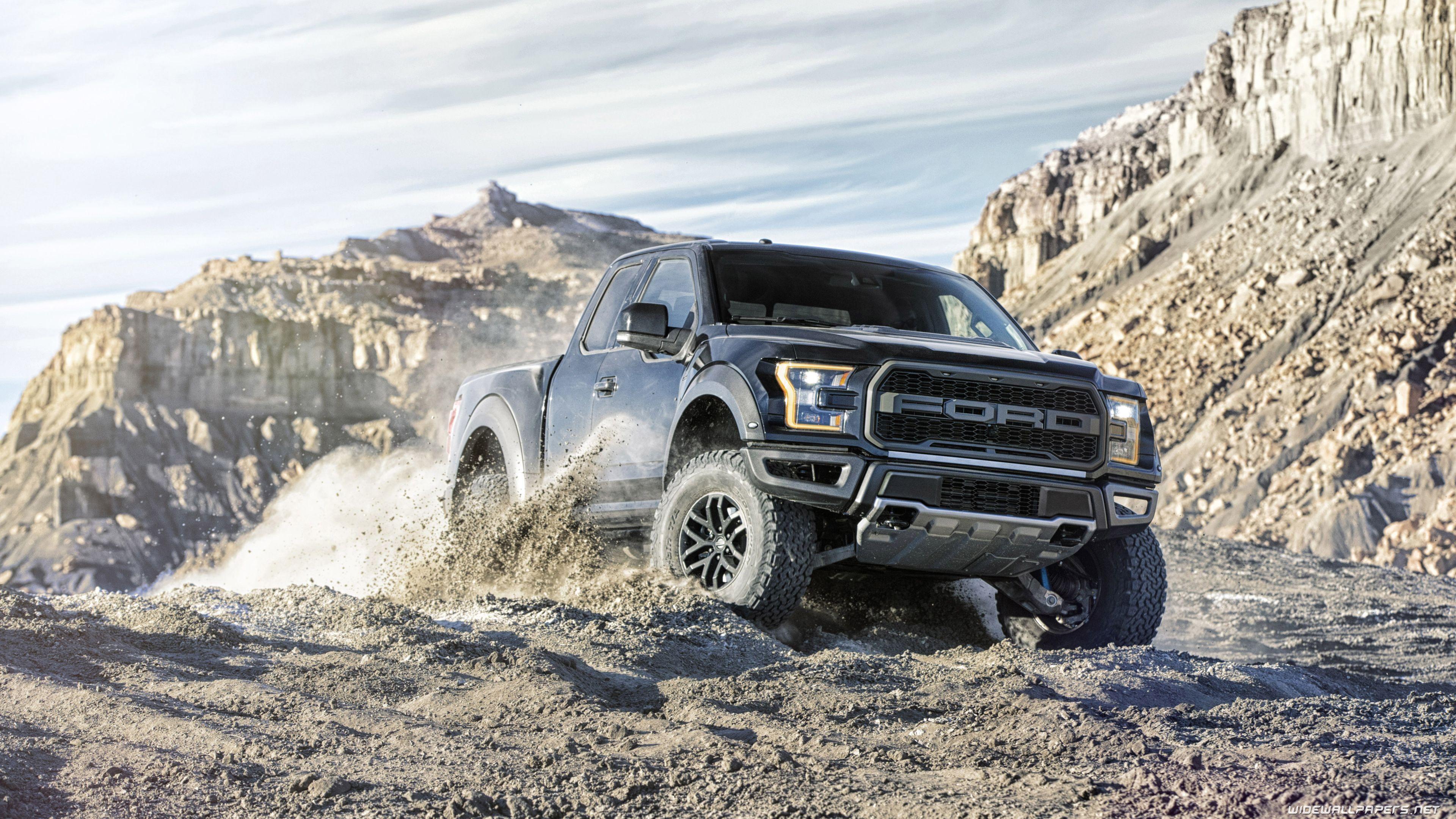
The Origins of Off-Roading: From Farm Tool to Thrill Ride
Off-roading is more than big tires and powerful engines—it represents a journey through human innovation and our unyielding desire to explore. What began as a practical necessity for agriculture and military operations has evolved into a beloved recreational pursuit. Early off-road vehicles were simple, rugged machines built to cross terrain where no roads existed. Their high ground clearance and four-wheel-drive systems made them indispensable on farms and battlefields. These foundational designs emphasized durability and simple mechanics, principles that still guide modern off-road engineering.
The Shift to Recreation: From Workhorse to Weekend Toy
By the mid-20th century, as technology improved and society changed, these utilitarian machines began to serve a new purpose: leisure. Enthusiasts started modifying trucks and utility vehicles to tackle tougher trails as a hobby. Garages became workshops where bigger tires, upgraded suspensions, and more powerful engines turned ordinary vehicles into off-road marvels. A community formed around shared knowledge and group expeditions into the wilderness, laying the groundwork for today's off-road culture.
The SUV Revolution: Making Adventure Mainstream
Automakers quickly noticed the growing popularity of off-roading and responded with the sport utility vehicle (SUV). These vehicles combined passenger-car comfort with the rugged features of traditional off-roaders, making off-road adventures accessible to a wider audience. The rise of SUVs was fueled by events and challenges that showcased their capabilities. An aftermarket industry emerged, offering lift kits, traction aids, and other modifications tailored to specific terrains. Off-roading transformed from a niche hobby into a global phenomenon.
Modern Trail-Tackling Technology: Engineering at Its Best
Today's off-road vehicles are high-tech marvels that blend cutting-edge engineering with the spirit of adventure. Sophisticated four-wheel-drive systems intelligently distribute power for maximum grip. Advanced suspensions handle dynamic terrains smoothly. Technologies like traction control and hill descent control give drivers confidence in difficult conditions. Yet the core essence remains the same: the connection between driver, machine, and nature. The evolution of off-road vehicles continues to push boundaries.
Anatomy of an Off-Road Machine: What Makes It Capable
Frame and Suspension: The Backbone
The frame is the fortified skeleton that withstands uneven ground pressures. The suspension allows the vehicle to adapt dynamically, maximizing wheel contact and traction. A robust ladder-like frame provides structural integrity, while the suspension's articulation keeps the vehicle stable over rough terrain, preserving both occupant comfort and mechanical health.
Drivetrain and Differentials: The Heart
The drivetrain distributes engine power efficiently across all wheels. The differential allows wheel speed variation during turns, but on tough terrain, a locking differential is invaluable. It ensures that even if one wheel loses traction, the other keeps driving forward, preventing stalls.
Tires and Ground Clearance: The Grip
Off-road tires feature deep, aggressive tread patterns for grip on mud, rocks, and sand. Reinforced sidewalls resist punctures. Ground clearance determines how well a vehicle can clear obstacles. Suspension lifts raise the stance, improving approach, departure, and breakover angles.
Enhanced Systems: Beyond Basics
Modern vehicles integrate advanced aids like brake, steering, and throttle fine-tuning for different terrains. GPS and digital trail mapping make navigation precise. Below is a table of popular 2025 off-road models and their key features.
| Model | Four-Wheel Drive System | Ground Clearance (mm) | Recovery Gear | Off-Road Tires | Suspension Lifts | Winch Usage |
|---|---|---|---|---|---|---|
| 2025 Toyota 4Runner TRD Pro | Full-time 4WD | 244 | Standard | All-Terrain | 2-inch lift | Optional |
| 2025 Toyota Tacoma TRD Off-Road | Part-time 4WD | 236 | Standard | All-Terrain | 1.5-inch lift | Optional |
| 2025 Ford F-150 Tremor | Full-time 4WD | 253 | Standard | All-Terrain | 2-inch lift | Optional |
| 2025 Jeep Wrangler Rubicon | Part-time 4WD | 274 | Standard | All-Terrain | 2-inch lift | Optional |
| 2025 Land Rover Defender | Full-time 4WD | 290 | Standard | All-Terrain | 2-inch lift | Optional |
| 2025 Ford Bronco Badlands | Part-time 4WD | 272 | Standard | All-Terrain | 2-inch lift | Optional |
These components ensure every machine is a reliable partner on the trail, combining engineering precision with practical design for a new era of off-roading.
Trail Navigation and Gear: Combining Art and Science
Navigating challenging trails requires both skill and technology. Digital trail mapping provides detailed topographical insights, but reading the road—recognizing surface changes from firm earth to slick mud—remains essential. Smart driving systems offer selectable drive modes that optimize performance for specific terrains, enhancing rather than replacing driver skill.
Choosing the right gear is crucial. Armor upgrades like grille guards protect against obstacles. Suspension lift kits balance elevated stance with stability. Utility enhancements such as roof racks and auxiliary lighting extend exploration capabilities. The synergy of tires and suspension, aided by locking differentials, ensures power and traction on the most precarious paths. Off-roading becomes an art form where grit, gear, and ground come together.
Frequently Asked Questions
What are the key benefits of using Four-Wheel Drive Systems in off-road vehicles?
Four-Wheel Drive (4WD) systems enhance traction and stability on uneven terrain by distributing power to all four wheels. They maintain grip on mud, snow, or sand, especially when climbing steep inclines or navigating rocks. Modern 4WD systems offer selectable modes and locking differentials for added control and power distribution.
How does Ground Clearance affect an off-road vehicle's performance?
Ground clearance is the distance between the lowest point of the vehicle and the ground. Higher clearance allows navigation over larger rocks and logs without undercarriage damage. It also improves approach, departure, and breakover angles for safer handling on steep slopes. Lifts and larger tires increase clearance.
What is the importance of Recovery Gear in off-roading, and what are some essential items?
Recovery gear is vital for safety when stuck in mud, sand, or snow. Essential items include a winch for pulling out vehicles, recovery straps or ropes for towing, a high-lift jack for tire changes or obstacle clearing, and traction mats for grip. A well-stocked kit ensures self-reliance in remote areas.
How do Off-Road Tires differ from regular tires, and why are they important?
Off-road tires have aggressive tread patterns with deep grooves for traction on dirt, mud, and sand. They use durable rubber and reinforced sidewalls to resist punctures. Airing down increases the contact patch for better grip on soft terrain. These tires are crucial for safe off-road driving.
What role do Suspension Lifts play in off-road vehicle modification, and what should be considered when installing them?
Suspension lifts raise the vehicle's height, increasing ground clearance and allowing larger tires. They improve approach, departure, and breakover angles. When installing, consider the terrain, lift height, and impact on handling and stability. Proper installation ensures ride quality and component compatibility.