Master Car Troubleshooting: Diagnose Issues by Sound, Smell, and Sight
Learn to identify car problems using auditory, visual, and sensory clues. From engine noises to warning lights, become a proactive vehicle owner.
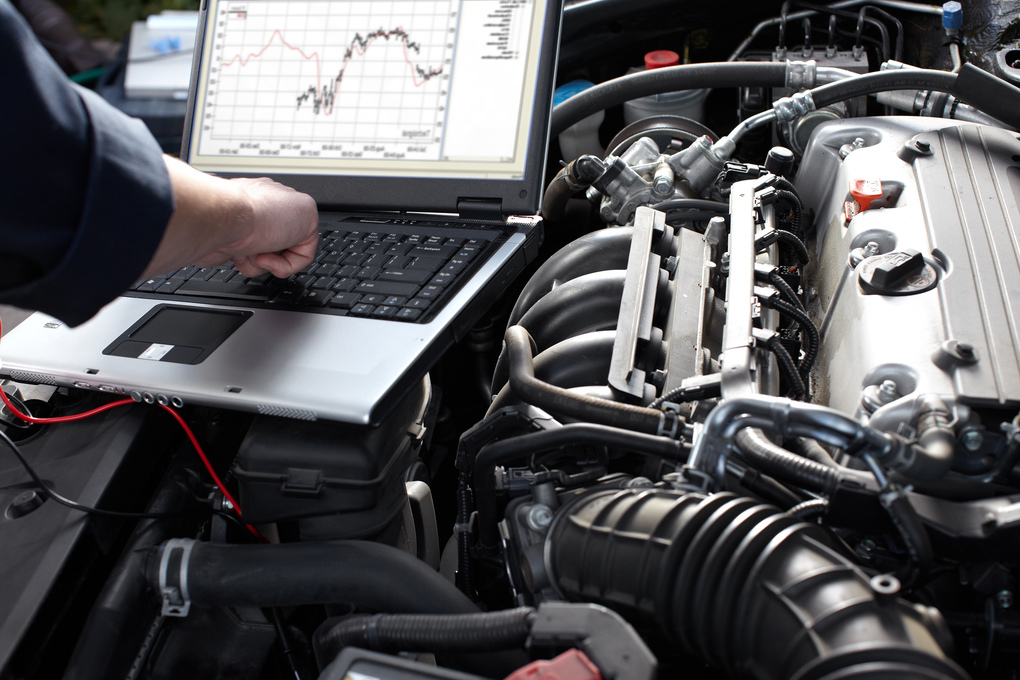
Understanding Your Car's Language: Sounds, Sights, and Smells
Your car communicates its health through various signals. By tuning into unusual noises, visual clues, and even odors, you can often pinpoint issues before they become serious. This guide covers the most common diagnostic cues and when to seek professional help.
Auditory Clues: What Your Car's Noises Mean
Engine Noises
A healthy engine runs smoothly. A high-pitched squeal on acceleration often points to a worn serpentine belt, which drives the alternator and water pump. Ignoring it can cause overheating or battery failure. Tapping sounds that speed up with RPM may indicate low oil pressure, risking engine damage. A deep knocking sound ("rod knock") signals severe internal issues requiring immediate mechanic attention. Hissing could mean a vacuum leak or cooling system problem.
Brake Noises
Squealing when braking typically means the wear indicators are contacting the rotors – a sign to replace pads. Ignoring leads to grinding, damaging rotors and increasing repair costs. Clicking brakes may indicate loose pads; thumping and pedal pulsation suggest warped rotors. Prompt inspection ensures safety and cost-efficiency.
Suspension and Steering Noises
Clunking over bumps can signal failed shock absorbers or sway bar links. Groaning when turning points to worn ball joints or bushings. A humming noise that changes with speed may indicate failing wheel bearings – a safety hazard if neglected.
Visual Clues: Leaks, Lights, and Smoke
Fluid Leaks
Check under your car. Reddish fluid: transmission or power steering. Dark brown/black: engine oil. Bright green/orange: coolant (antifreeze). Early detection prevents overheating.
Warning Lights
The check engine light can mean anything from a loose gas cap to serious engine trouble. Never ignore it – use an OBD-II scanner to read codes.
Smoke
Blue smoke from exhaust indicates oil burning; white smoke suggests coolant leaking into cylinders; black smoke points to fuel system issues. All require professional evaluation.
Tactile and Olfactory Clues: What You Feel and Smell
Vibrations
Steering wheel vibrations often mean unbalanced tires. Whole-car vibrations could be driveshaft issues. Pulsing brake pedal signals warped rotors. Performance loss or hesitation may be due to aging spark plugs or fuel system blockages.
Odors
A sweet, syrupy smell inside the cabin suggests a coolant leak. Burning oil smell means oil is leaking onto hot engine parts. Burning rubber or gasoline odors indicate belt issues or fuel leaks – fire hazards. Acrid smells often come from overheating brakes.
When to Call a Professional
Safety First
Brakes, suspension, and fuel systems should be serviced by professionals due to complexity and safety risks. Improper repairs can cause catastrophic failures.
Value of Professional Diagnosis
Mechanics have diagnostic tools and experience to identify problems precisely, preventing minor issues from becoming major costly repairs.
Communicating with Your Mechanic
Describe specific symptoms – when and where noises occur, what you see or smell. Detailed observations help technicians diagnose efficiently.
Frequently Asked Questions
How can I start troubleshooting car problems? Listen for unusual sounds, check warning lights, and use an OBD-II scanner. This narrows down the issue.
What are common car issues? Flat tires, dead batteries, overheating, brake problems, electrical faults. Regular maintenance prevents escalation.
How do I diagnose engine problems? Listen for noises, check for leaks and smoke, inspect oil level and quality, and scan for trouble codes.
Basic troubleshooting for beginners? Check fluid levels, belts, hoses, tire pressure, battery connections. Know your dashboard lights from the owner's manual.
How to fix electrical problems? Check battery charge and terminals, inspect fuses, test wiring. For complex issues, consult a professional.